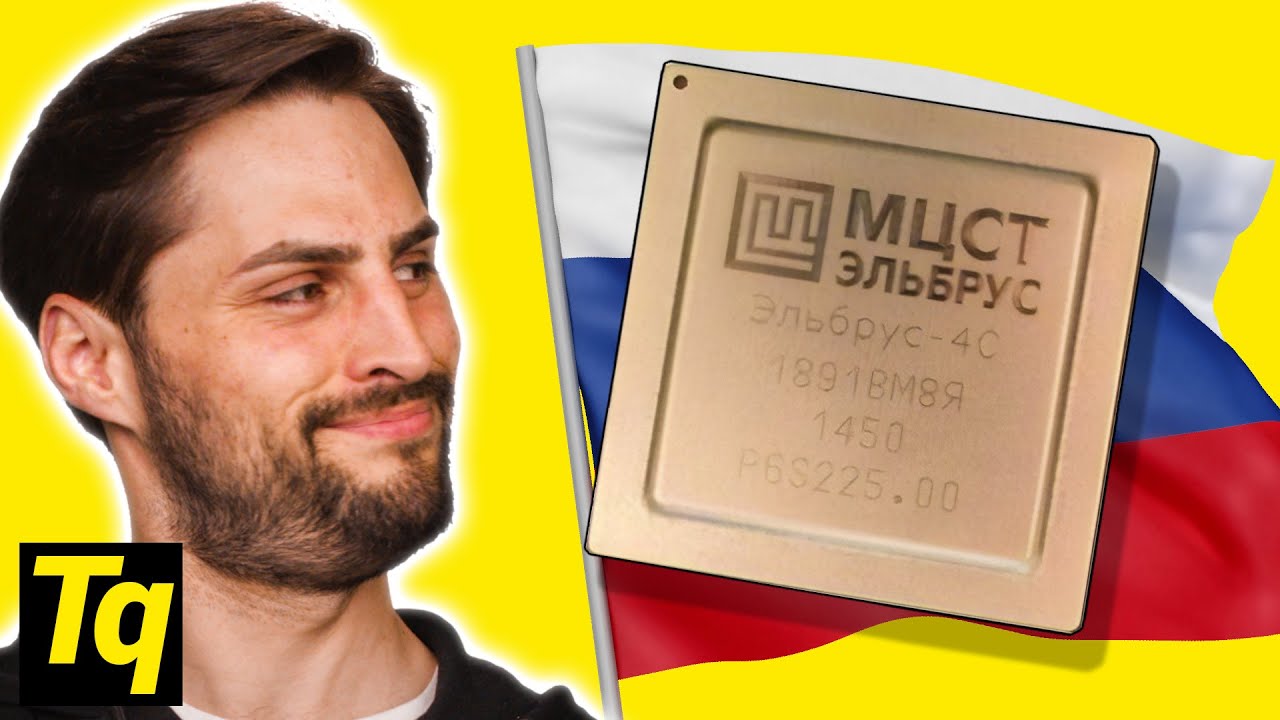
What's With This WEIRD Russian CPU? (Elbrus)
0 up · 0 down · 0 ratings
Promos
Learn through problem solving, and the first 200 people can save 20% today on Brilliant at brilliant.org Learn all about Elbrus, the Russian-made CPU you may have never heard of. Leave a reply with your requests for future episodes, or tweet them here: twitter.com GET MERCH: lttstore.com SUPPORT US ON FLOATPLANE: floatplane.com LTX EXPO: ltxexpo.com AFFILIATES & REFERRALS --------------------------------------------------- Affiliates, Sponsors & Referrals: lmg.gg Get Private Internet Access VPN at lmg.gg Get a Displate Metal Print at lmg.gg Support a Creator code LINUSMEDIAGROUP on Epic Games Store: lmg.gg Get a 30-day free trial of Amazon Prime at lmg.gg Our Test Benches on Amazon: lmg.gg Our Production Gear: lmg.gg FOLLOW US ELSEWHERE --------------------------------------------------- Twitter: twitter.com Facebook: @LinusTech Instagram: @linustech Twitch: twitch.tv FOLLOW OUR OTHER CHANNELS --------------------------------------------------- Linus Tech Tips: lmg.gg TechLinked: lmg.gg ShortCircuit: lmg.gg LMG Clips: lmg.gg Channel Super Fun: lmg.gg Carpool Critics: lmg.gg
The video introduces Elbrus, a line of Russian CPUs produced by MCST, and explains how they differ from mainstream x86 processors. It outlines the political and strategic motivations behind Russia's push to develop and deploy domestic silicon, including the aim to reduce reliance on foreign-designed chips and minimize potential backdoors. A key architectural distinction highlighted is the use of a very long instruction word (VLIW) design, which enables higher instruction-level parallelism but makes software harder to optimize for compared with traditional out-of-order x86 CPUs. The host compares Elbrus to typical consumer CPUs in terms of performance, noting that while it can run x86 software via hardware translation, performance can be around 80 percent of a comparable x86 processor under best-case scenarios. The discussion also covers the intended use cases in government, defense, weather modeling, and other specialized deployments, where performance is less about raw speed and more about security, control, and predictability. Finally, the video provides a snapshot of current and future Elbrus nodes, including a 28 nm eight-core model and planned 16 nm 16-core and 7 nm 32-core iterations, while also noting the limited accessibility outside Russia. The hosts tie the technical overview to the broader theme of domestic tech sovereignty and invite viewers to explore further through recommended related content and courses on problem solving and computer science.
Topics · science_and_technology · computing
Questions answered
- What is the Elbrus CPU and what makes it different from typical x86 CPUs?
- Elbrus is a Russian processor line developed by MCST that uses a very long instruction word (VLIW) architecture, enabling aggressive parallelism but making software harder to optimize compared with traditional x86 CPUs. It can run x86 software through hardware translation, though performance is typically lower than modern x86 chips.