How to Put USB-C Power on ANYTHING (almost)
0 up · 0 down · 0 ratings
Description
Thanks UGREEN for sponsoring today's video!
Promos
Check out their Xmas deals this holiday season at bit.ly (Up to $40 OFF) UGREEN Nexode 45w Charger: bit.ly UGREEN Nexode 100w Charger: bit.ly ($20 OFF Coupon) UGREEN Nexode 200w Charger: bit.ly ($30 OFF Coupon ) UGREEN DigiNest 65w Charging Station: bit.ly (25% OFF Coupon) Discuss on the forum: linustechtips.com Buy a QIANRENON D-Type Panel Mount: geni.us Buy a USB Type-C Trigger Module: geni.us Purchases made through some store links may provide some compensation to Linus Media Group. ► GET MERCH: lttstore.com ► SUPPORT US ON FLOATPLANE: floatplane.com ► AFFILIATES, SPONSORS & REFERRALS: lmg.gg ► PODCAST GEAR: lmg.gg FOLLOW US --------------------------------------------------- Twitter: twitter.com Facebook: @LinusTech Instagram: @linustech TikTok: @linustech Twitch: twitch.tv MUSIC CREDIT --------------------------------------------------- Intro: Laszlo - Supernova Video Link: youtube.com iTunes Download Link: itunes.apple.com Artist Link: soundcloud.com Outro: Approaching Nirvana - Sugar High Video Link: youtube.com Listen on Spotify: spoti.fi Artist Link: youtube.com Intro animation by MBarek Abdelwassaa @mbarek_abdel Monitor And Keyboard by vadimmihalkevich / CC BY 4.0 geni.us Mechanical RGB Keyboard by BigBrotherECE / CC BY 4.0 geni.us Mouse Gamer free Model By Oscar Creativo / CC BY 4.0 geni.us CHAPTERS --------------------------------------------------- 0:00 USB-C all the things! 0:55 USB-PD is confusing tbh 3:14 Our test subjects 5:10 F it! We'll do it live! 6:57 Quick disclaimer 7:31 Out with the AC, in with the 12v DC 8:56 Other cable?
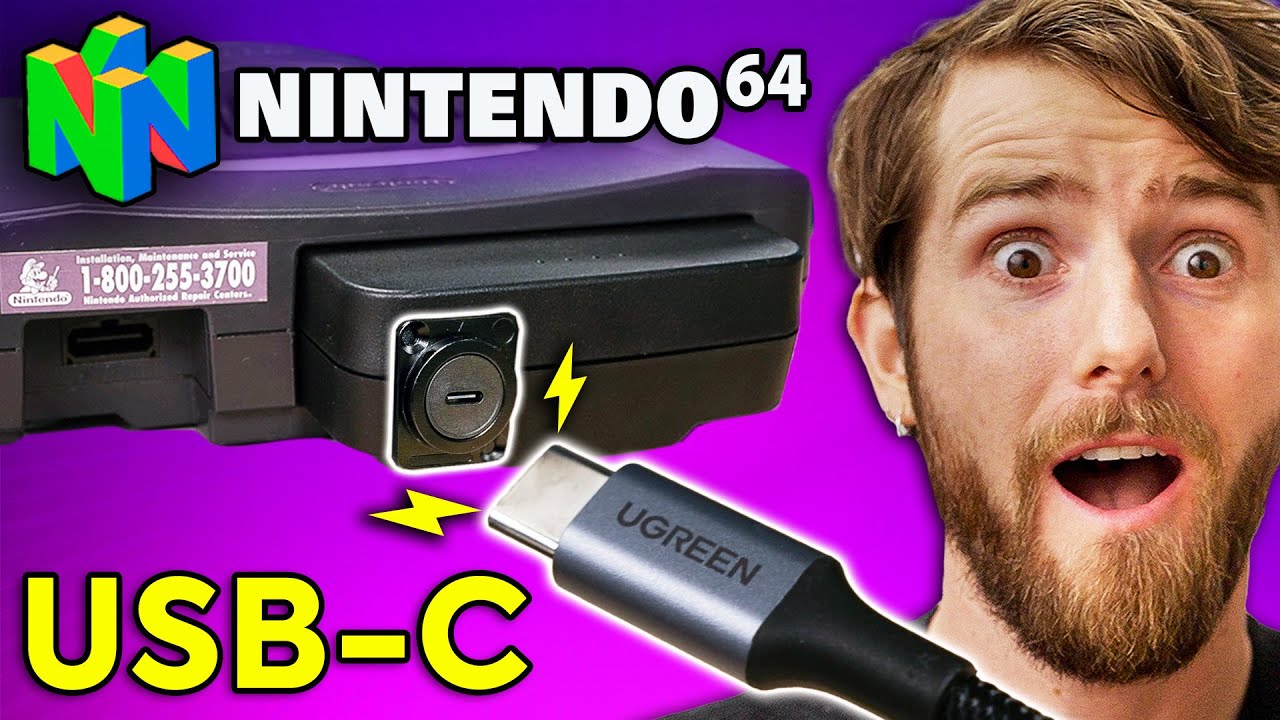
The video opens by highlighting a common problem: many retro and modern devices still rely on old DC power adapters, and the video promises a universal solution using USB-C power delivery to breathe new life into classic consoles. The host explains the USB PD handshake concept, where a charger and device negotiate the correct voltage, typically offering options like 5, 9, 15, and 20 volts. They point out that vintage consoles generally lack PD circuitry, so additional logic boards or adapters are needed to present the right power profile, while newer devices can often be powered directly through a PD-enabled charger. The plan is to demonstrate a practical path: converting multiple retro consoles to run on USB-C power from a single GaN charger, while also handling monitors, network gear, and other devices in a cohesive setup. The discussion covers the benefits of PD being royalty-free, the availability of small, inexpensive boards, and the possibility of integrating PD power directly into cables or housings to minimize clutter. The presenter then discusses the specifics of voltage requirements for the NES, SNES, Genesis, and other cartridges, emphasizing that some systems use 9 to 12 volts and may require simple or more advanced circuitry to achieve reliable operation. The video walks through why simply feeding 5 volts can be risky due to ripple and instability, and introduces step-up or step-down converters as an alternative, though the chosen approach uses PD adapters and prebuilt boards for simplicity. The hosts showcase a handful of tested components from Adafruit and UGREEN, illustrate how a single PD charger can supply multiple retro consoles, and demonstrate powering three consoles simultaneously from one compact GaN charger. They note PD devices may pause power when a new device connects as a safety feature, which is acceptable in this context but can affect non‑battery devices that expect constant power. Finally, the team demonstrates upgrading additional hardware like a N64 with a panel-mount USB-C port for a clean, all-USB-C power solution, and finish with a reminder about the sponsor and deals, while hinting at broader implications for USB-C in everyday electronics and retro setups.
Topics · Technology · Electronics · How-To · Gaming
Questions answered
- What voltages does USB Power Delivery negotiate for devices, and how does a vintage console that lacks PD circuitry get powered correctly?
- USB PD negotiates voltages such as 5, 9, 15, and 20 volts. Vintage consoles without PD circuitry can be powered correctly by using a PD-compatible wall adapter together with a small logic/trigger board or a panel-mount USB-C solution that requests a stable 9 volts (or appropriate voltage) for the console, ensuring a clean, regulated supply.
- Can you power multiple retro consoles from a single USB-C PD charger, and what is a potential caveat of PD charging in this setup?
- Yes, multiple consoles can be powered from a single PD charger if the charger and cables provide enough wattage and proper voltage profiles. A caveat is that PD chargers may pause power to already connected devices when a new device is plugged in, as they renegotiate the load, which can momentarily interrupt power to non-battery devices.
- Why is regulating voltage important for these retro systems, and what risks come from simply feeding 5V USB power into them?
- regulating voltage is important to prevent ripple and instability that can occur when power adapters without proper regulation feed 5V into older electronics. Using a proper regulator or PD-based solution avoids voltage fluctuations that could damage or impair operation of the consoles.