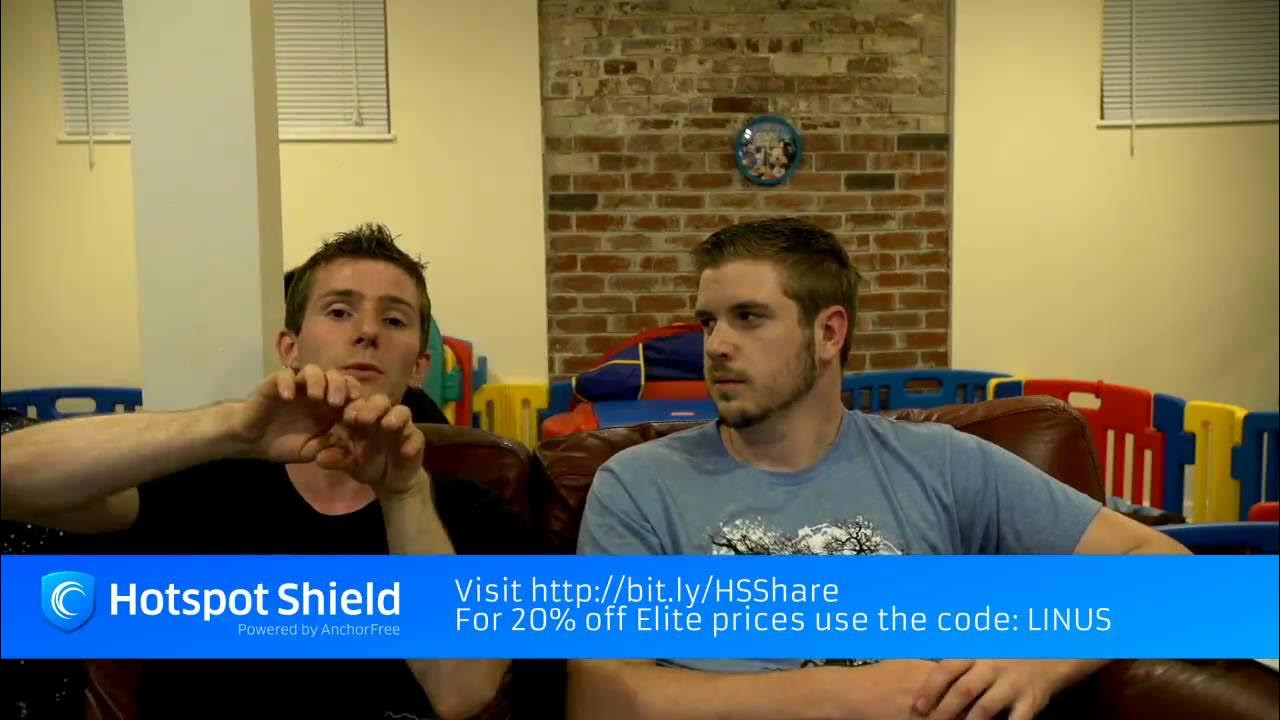
The WAN Show : SSD Overclocking, Star Citizen PC Requirements, Nintendo 2DS Joke - August 23, 2013
0 up · 0 down · 0 ratings
Description
After party : Sorry no afterparty this week Razer Comms Link: bit.ly Hotspot Shield Link : bit.ly Live Stream Doc linustechtips.com 5:55 Intel SSDs will featuring overclocking in the future? 10:40 Star Citizen will have beastly hardware requirements 14:25 Google blocks Chromecast local streaming, or wait?... What? 16:10 Google's new patent alters your phone security settings based on location 19:30 Bethesda wants no Xbox Live Gold membership required for Elder Scrolls Online players 22:40 10% of 5 year olds have phones according to article 29:15 Boyfriend Tracker app gets pulled from Google Play 30:35 Twitter Blitz - Would you allow your partner to track you via GPS? 36:30 Plants vs Zombies 2 getting flak over paying for plants 38:30 EA says "all major franchises embraching free to play" 41:20 Nintendo 2DS - joke? No. 43:22 Our NEW SPONSOR Hotspot Shield 49:20 Adblock buying ads - No ads on the Internet would kill it pretty much instantly. 54:45 Battlefield 4 runs at 720p upscaled to 1080p at 60FPS. Lame. 58:45 Upcoming rumoured NVIDIA dual GK110 graphics card 1:04:30 Siri is snarky about Google Glass 1:05:38 Lenovo shipping Windows 8 PCs with aftermarket Start menu. 1:07:50 AMD updates roadmap to reflect phasing out AM3 socket, focusing on APU 1:11:05 2.5K camera combined with Mac Mini PC & the future of cameras 1:15:!0 Twitter Blitz General Q&A
The WAN Show episode from August 23, 2013 opens with a lighthearted, chaotic introduction that leans into Pax Prime vibes and the hosts' self-deprecating humor. The team jokes about streaming from a basement and references to real-world personas, laying a playful, informal tone that frames the rest of the show as an informal tech roundtable. They quickly establish the day’s agenda, teasing topics from SSD overclocking to Star Citizen PC requirements and even a Nintendo 2DS joke that becomes a running gag. The hosts also emphasize sponsorship integration, mentioning Hotspot Shield and alluding to on-air product mentions, while attempting to keep the discussion lively and accessible for both enthusiasts and casual viewers. This opening sets a rhythm of rapid topic hopping, quick takes, and occasional mock-serious commentary that characterizes the WAN Show format. The mood remains upbeat, with the sense that the show is a live, community-centric event rather than a tightly scripted broadcast. Everyone on screen participates in the banter, and the pacing moves briskly toward the first major topic discussion. The first technical topic centers on SSD overclocking, sparked by forum chatter about Intel SSDs potentially overclocking the controller and NAND flash. The panel explains that this concept would resemble traditional CPU overclocking, delivering performance gains but also introducing stability and reliability risks. They note practical bandwidth figures and discuss how overclocking could affect data integrity, particularly in storage configurations like RAID 0. The conversation emphasizes that overclocking storage is a high-risk activity best reserved for non-critical data or testing environments. Viewers hear a balanced view: potential performance upside, but with clear warnings about data safety and warranty considerations. The hosts acknowledge that this is a developing area to watch as Intel showcases technology at events like IDF 2013. Next, the discussion shifts to Star Citizen and the reported hardware requirements, highlighting the notion that the upcoming title would demand a modern, high-end PC. They reference eight or more gigabytes of RAM as a minimum and the expectation that future graphics hardware could be needed for optimal settings. The analysts compare Star Citizen's ambitions to past ambitious titles, noting how earlier games pushed hardware boundaries. They elaborate on how developers justify high requirements by aiming for impressive visuals and expansive planetary experiences that would challenge older systems. The segment captures the tension between PC enthusiasts who welcome demanding specs and the broader audience who worries about upgrade cycles and accessibility. The tone blends curiosity and skepticism, pondering whether the market will embrace such requirements without alienating casual players. A brief pivot covers a Google Chromecast controversy, with commentary on local streaming restrictions and a subsequent clarification that the limitation was buggy rather than a deliberate policy. The hosts discuss how such tech hiccups illustrate broader challenges around feature rollout, user expectations, and the speed of platform changes. This thread segues into a broader reflection on the reliability of online reporting, the role of social aggregation, and the importance of verifying information before taking strong stances. They admit that investigative journalism is under pressure in a social-media era, where rumors can spread rapidly without thorough fact-checking. The dialogue emphasizes caution and the value of multiple corroborating sources for tech news. Attention then turns to Google’s location-based security patent, which proposes adapting phone security settings based on geographic context. The hosts explore practical scenarios, such as lifting passcode requirements at home or enabling emergency access in trusted locales. They also discuss the potential for geo-tagging and privacy implications, noting how such features could influence everyday behavior and data-sharing habits. The discussion includes a candid look at parental concerns around child safety and the balance between convenience and privacy. The participants imagine real-world use cases, such as auto-lock policies and safe-guarded sharing, while acknowledging that widespread adoption would require thoughtful implementation and user education. The segment ends with a sense of excitement about how location-aware security could reshape mobile experiences in the medium term. Bethesda and the Xbox Live Gold debate forms the next substantial topic, with the hosts examining Bethesda’s push to drop Xbox Live Gold requirements for Elder Scrolls Online players. They reason through the implications for Microsoft’s network model, third-party servers, and cross-platform expectations. The discussion highlights industry dynamics around subscription services, player ecosystems, and the tension between console monetization and PC-style openness. The hosts compare past attempts by other publishers to remove paywalls, noting that uniform adoption would require broad, industry-wide alignment. They also discuss how PC-like features such as Steam-style presence visibility could be affected if console subscribers were exempt from Gold-like requirements. The tone is cautious but engaged, acknowledging the challenges of changing a long-standing monetization framework while recognizing potential benefits for players and publishers alike. The discussion broadens to a broader consumer electronics trend: a growing intersection between gaming, mobile devices, and parental controls. They reference a study claiming significant smartphone usage among young children and debate the implications for families and digital literacy. The hosts explore scenarios for responsibly managing a child’s device exposure, including data caps, location tracking, and selective app access. They acknowledge the privacy concerns and the potential for misuse, while also appreciating the utility of certain safety features. The conversation reflects a pragmatic, parental stance that weighs practical safety against the risk of over-surveillance. Throughout, the hosts maintain a light, humorous tone while foregrounding practical considerations for families navigating a highly connected world. The show’s rapid-fire format continues with a discussion about Plants vs Zombies Free-to-Play dynamics on mobile platforms. They review user sentiment around pay-to-win mechanics and the monetization strategy of creeping microtransactions. The hosts compare different freemium models, noting how some titles use time-based lives or cross-device gifting to encourage continued engagement. They acknowledge both the criticisms of such schemes and the business realities that drive them, offering a nuanced view rather than a blanket denouncement. The segment also touches on EA’s broader free-to-play strategy, debating whether this shift signals a fundamental industry trend or a temporary pivot. The dialogue remains practical, grounded in observed player behavior and the ongoing tension between accessibility and profitability. As the show progresses, the hosts weave in live-stream anecdotes, viewer participation, and the improvisational energy that characterizes WAN Show productions. They reference Twitter Blitz and live Q&A, using audience input to steer conversations and inject humor. The relationship between hosts and audience emerges as a core strength of the program, with jokes, audience-response moments, and mutual banter driving engagement. Technical hiccups and on-air improvisation are acknowledged as part of the live format, and the team expresses appreciation for viewers who follow along, submit questions, and support the channel. The overall arc showcases a blend of nerdy analysis, personal storytelling, and a collaborative community vibe that makes WAN Show feel like a forum with a live audience rather than a formal broadcast. In summary, this WAN Show episode acts as a snapshot of mid-2010s tech culture, blending hardware speculation, game industry drama, evolving mobile privacy debates, and the evolving monetization strategies of major publishers. The conversations are grounded in concrete details,specs, rumored GPU concepts, and policy proposals,yet colored by humor and a sense of shared curiosity about where technology is heading. The show achieves a balance between technical depth and accessible discussion, inviting both hardcore enthusiasts and casual viewers to participate in the discourse. By interleaving topical analyses with personal anecdotes and viewer interaction, the episode captures the WAN Show’s signature mix of technical rigor and entertaining banter. The result is a dense, multifaceted program that rewards attentive viewing and thoughtful discussion in the comments and community forums that follow."
Topics · technology · gaming · consumer_electronics · hardware · streaming · privacy · mobile