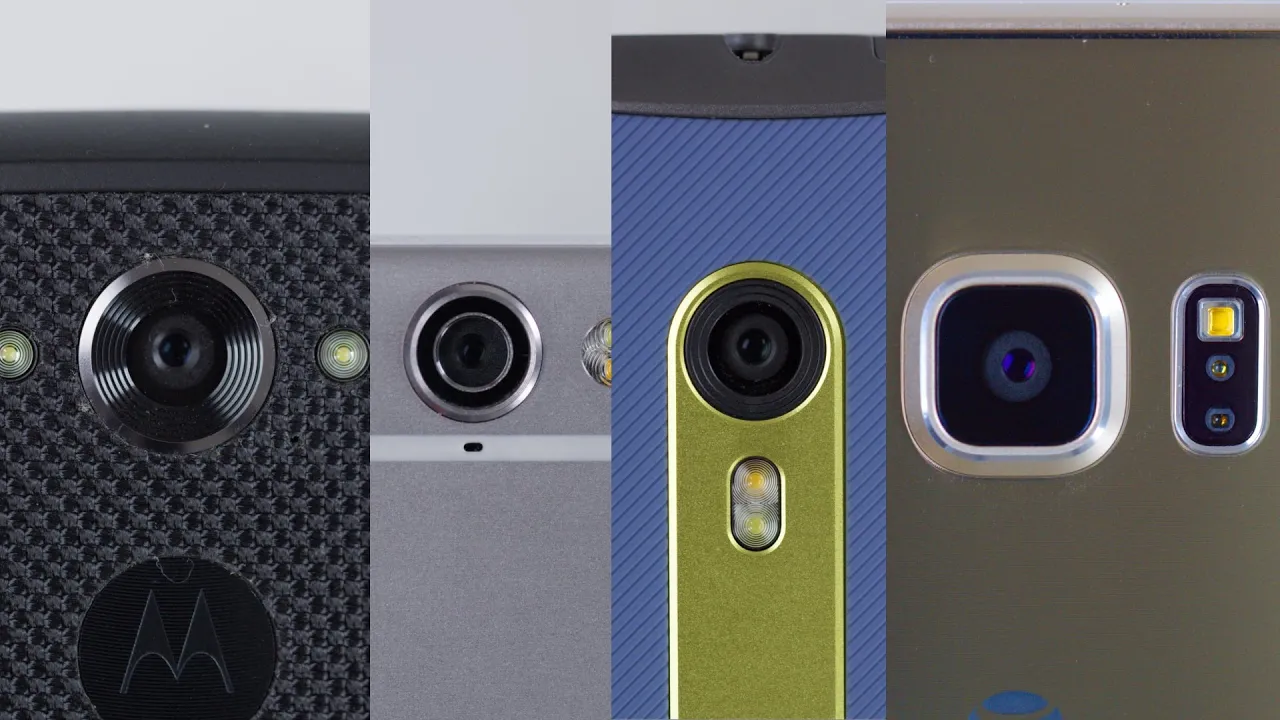
Smartphone Camera Quality: Explained!
0 up · 0 down · 0 ratings
Channels and socials
Smartphone cameras are getting really good. But why? Video Gear I use: amzn.com Casey Neistat's test: twitter.com Intro Track: On and On by Hocus Pocus ~ twitter.com google.com @MarquesBrownlee @MKBHD @MKBHD
Smartphone Camera Quality: Explained! delves into the core idea that sensor size,not megapixel count alone,largely governs image quality on mobile devices. The video begins by debunking the common belief that more megapixels automatically mean better pictures, arguing that the sensor is the most important hardware component for image capture. It explains how larger sensors yield bigger pixels, which can collect more light and produce better performance in low light, even though smartphone sensors remain quite small. The host also explains aperture and why fixed apertures in phones matter, noting that wider openings (like F2.0, sometimes as wide as F1.8) allow more light and help with subject separation, while highlighting that many performance gains come from software decisions. The discussion moves to stabilization, contrasting electronic image stabilization with hardware stabilization (OIS), and how each affects both photos and video, particularly in low light or with longer exposures. Later sections emphasize that lens element counts and flash designs are less predictive of overall quality than sensor and processing attributes, and that aggressive image processing can push photos toward warmer or cooler tones, higher saturation, or different exposure targets. The video closes by acknowledging that judging camera quality requires experience and actual results rather than raw numbers, as software updates can alter a phone’s look, and ultimately the viewer will decide what looks best to them. The takeaway is that you should care about how the image feels and how the camera actually performs in real-world shooting, not just the spec sheet, and that deeper reviews and hands-on testing are essential for understanding true smartphone camera quality.
Topics · Technology · Photography · Smartphones
Questions answered
- Why don't more megapixels always mean better photos on smartphones?
- Megapixel count is not the sole determinant of image quality because sensor size, pixel pitch, lens aperture, stabilization, and image processing all influence how light is captured and rendered. Larger sensor pixels collect more light, improving low-light performance, while processing can shift color, contrast, and sharpness.
- What factors should I consider besides megapixels when evaluating a smartphone camera?
- Consider sensor size and quality, aperture (for light intake), stabilization (optical or electronic), lens quality, and the camera's processing style, including how it handles sharpening, noise reduction, color balance, and exposure. Real-world tests and sample images are essential to judge how these factors come together.