0 up · 0 down · 0 ratings
Promos
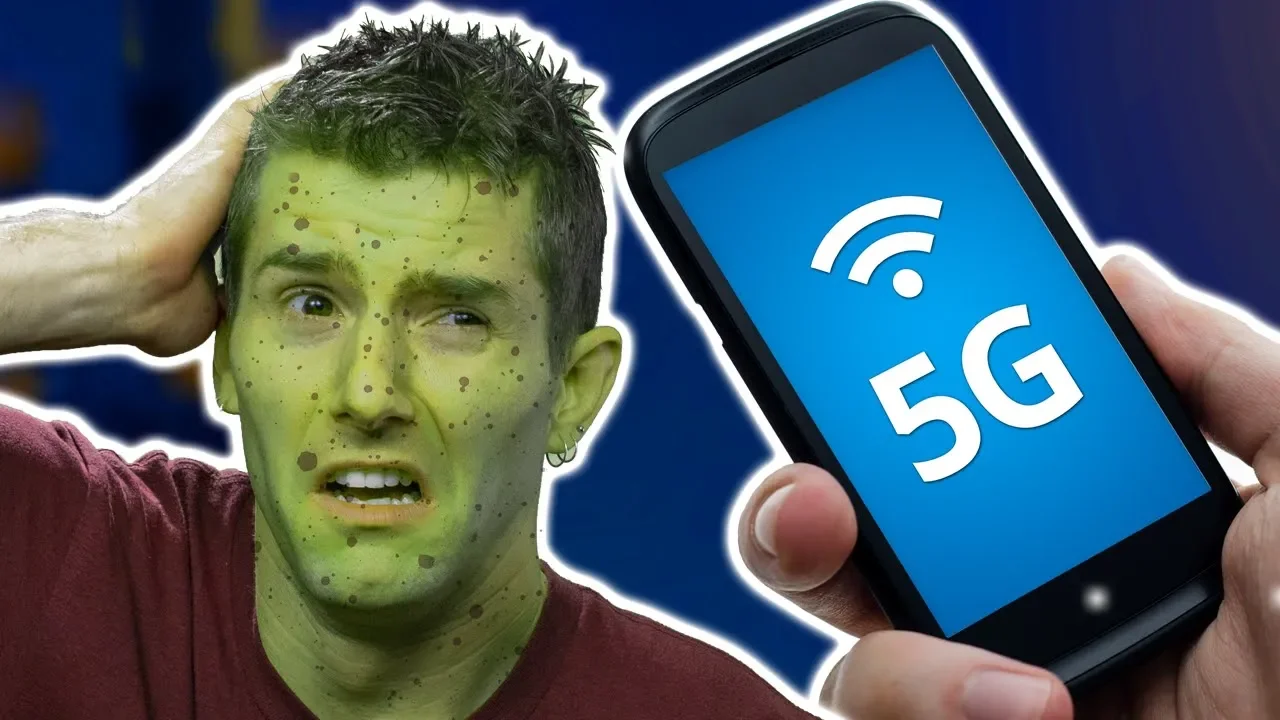
Visit squarespace.com and use offer code TECHQUICKIE to save 10% off your first order. Are concerns about the safety of 5G wireless service grounded in reality? Techquickie Merch Store: lttstore.com Follow: twitter.com Leave a reply with your requests for future episodes, or tweet them here: twitter.com
Is 5G SAFE? examines common concerns about the safety of fifth generation wireless technology by comparing it with existing radio frequency exposures and explaining what the science says about risk. The video highlights that 5G uses millimeter wave frequencies, which are higher in energy than many current signals, but emphasizes that these are still non-ionizing radiation and far below the threshold that would cause DNA damage. It explains how the International Agency for Research on Cancer classifies radiofrequency fields as possibly carcinogenic, but clarifies that this designation reflects limited or preliminary evidence rather than proven causation, and compares it to other everyday exposures people regularly encounter. The presenter stresses that while uncertainty remains in science, the prudent stance is to avoid unnecessary fear and to base decisions on robust evidence rather than alarming interpretations of labeling. Toward the end, the video pivots to a light, promotional note about Squarespace, making a typical tech channel call to action while maintaining the overall focus on public understanding of risk. The takeaway is that 5G is not proven to be dangerous, and cautious, evidence-based thinking is preferable to reflexive fear, enabling viewers to make informed choices about technology use. The structure combines clear explanations of frequency concepts with real-world risk interpretation, helping viewers separate hype from science and encouraging ongoing learning about wireless safety. Finally, the video reminds audiences that advanced technology should be adopted with both curiosity and critical thinking.
Topics · science_and_tech · health_and_safety · education
Questions answered
- Do millimeter wave 5G signals pose a greater risk than current 4G or WiFi signals?
- No. While 5G uses higher frequency millimeter waves, these signals are still non-ionizing and far below levels known to cause DNA damage. The risk discussion centers on whether the evidence suggests any health effects, and current science indicates any potential risk is not proven and requires more research.
- What does the IARC classification of possibly carcinogenic mean for everyday exposure to wireless tech?
- It means that there is limited evidence suggesting a possible link to cancer, not a proven causal relationship. The classification is precautionary, indicating that more research is needed, and it should not be interpreted as a definitive warning about immediate danger.