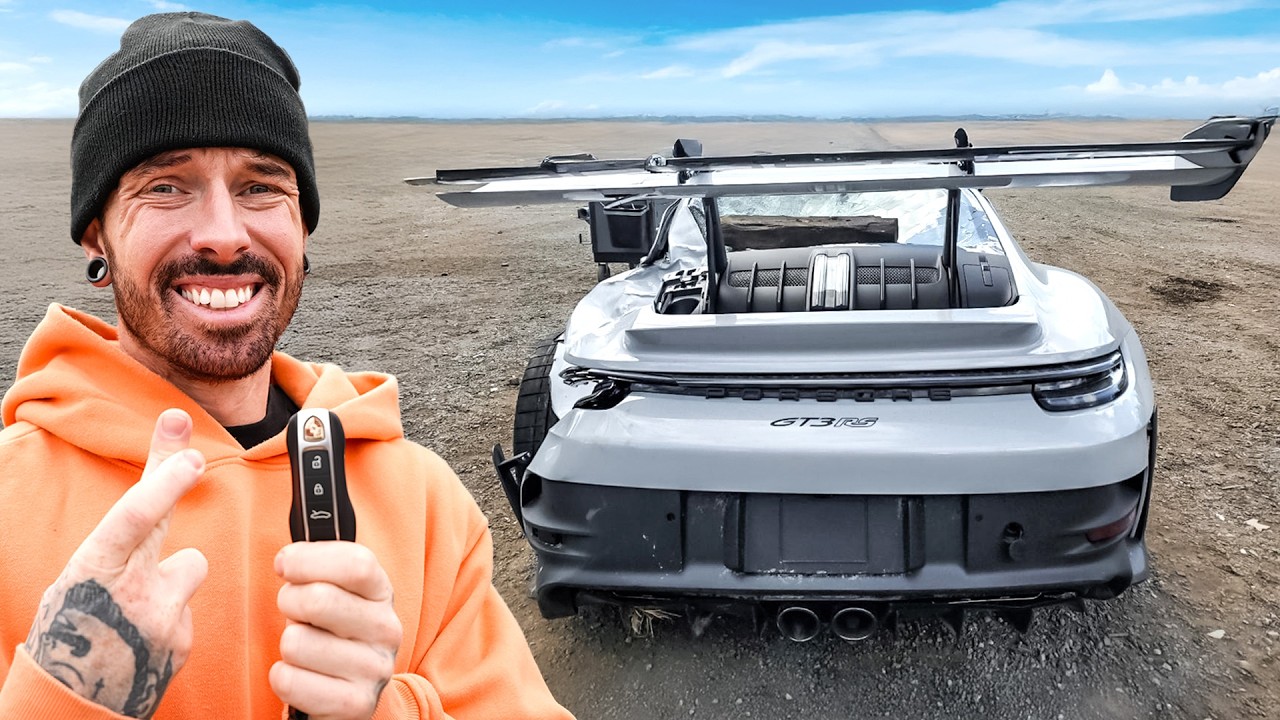
I ATTEMPTED TO START MY FLOODED GT3RS THAT I REBUILT
0 up · 0 down · 0 ratings
Description
Thanks to AutoTrim!
Promos
Check if your car was damaged with Car Vertical - 20% off here - carvertical.com I bought a crash damaged Porsche 911 GT3RS which was fully submerged under water after the driver lost control on the first day of owning it. Ive then had to fully rebuild the engine with no manual and today were about to attempt to start it for the first time!
ALL MA MERCHANDISE
Channels and socials
FOR MORE CONTENT
CHECK OUT MY SECOND CHANNEL
Follow Me Here Aswell
Notes
This video details a meticulous and high stakes rebuild of a flood damaged Porsche GT3 RS engine and related systems after the car was submerged. The host explains early on that he had to replace the cylinder block due to rust and size bearing misalignment, which led to a complete engine teardown again to correct bearing selections. He walks through the process of identifying bearing sizes, swapping yellow midsize bearings for blue ones, and ensuring correct clearances so the crankshaft spins freely without seizure. The narrative emphasizes the precision required in timing the camshafts, aligning them with the crank via a dedicated timing kit, and locking the components in place with specific torque sequences to avoid fatal engine damage. This segment establishes the technical complexity and the careful planning needed before any attempt at a first start. The host then moves to resealing and reinstalling the engine, swapping the fake chain tensioner for the real one, and preparing the top end for rotation while confirming piston and valve timing. With the cams held in place by the rocker cover and the timing properly established, they perform a controlled crude test by turning the engine over to confirm top dead center and proper engagement. The video then shifts to assembling ancillary systems including the high pressure fuel pump, rail, injectors, seals, and the oil system, ensuring oil pressure and coolant separation are maintained in a dry sump configuration. Attention is given to the belt driven water pump, thermostat housing, and the correct routing of hoses and wiring so the engine can operate in a complete, integrated state. The crew tackles the daunting wiring loom, dashboard electronics, and control modules from different regions, acknowledging inevitable cross compatibility challenges that might affect the final start and instrument cluster function. After assembling the engine with the gearbox, they attempt to install the powertrain into a freshly painted tub, while also planning for additional components such as the fuel tank, brake system, and dash clock coding to achieve a working car. The moment of ignition finally arrives as they configure the fuel system, spark plugs, brake pressure, and ECU compatibility, then attempt the first start, revealing the dramatic anticipation and relief when the engine cranks and responds to fuel and spark. The video closes with a candid appraisal of remaining hurdles, including confirming electrical systems, ensuring no coolant or fuel leaks, and determining whether the German and American modules will code or communicate correctly, while the crew remains optimistic about achieving a full startup and driving readiness. Throughout, the narrative balances technical depth with family dynamics, highlighting the collaboration between Mat and his dad, and the satisfaction of achieving complex mechanical milestones together. The final sequence underscores the patience, trial, and incremental wins that define serious car restoration, and leaves viewers with a sense of momentum toward a complete and road-ready build.
Topics · automotive restoration · car rebuilding · engine rebuilding · vehicle maintenance · porsche restoration · family entrepreneurship · content creator quality · technical how-to
Questions answered
- What caused the engine to be rebuilt twice in this project?
- The engine block originally had rust and bearing size mismatches between the old and new blocks, which required rechecking bearings and reassembling the engine to ensure proper clearances.
- Why was the timing of the camshafts critical in this rebuild?
- The timing ensures that the valves open and close in perfect harmony with piston movement, preventing valve to piston interference and ensuring proper engine operation at high RPMs.
- What challenges did the crew face with electronics after flood damage?
- Electronics from different regions (German vs American modules) had compatibility and coding challenges, with instrument clusters and dashboards needing potential coding or replacement to work together.
- What was the significance of the redone crank and camshaft seals?
- Sealing ensures oil retention and prevents leaks that could cause low oil pressure or contamination, which would damage the engine or gearbox.