How Important Is VRAM Bandwidth?
0 up · 0 down · 0 ratings
Promos
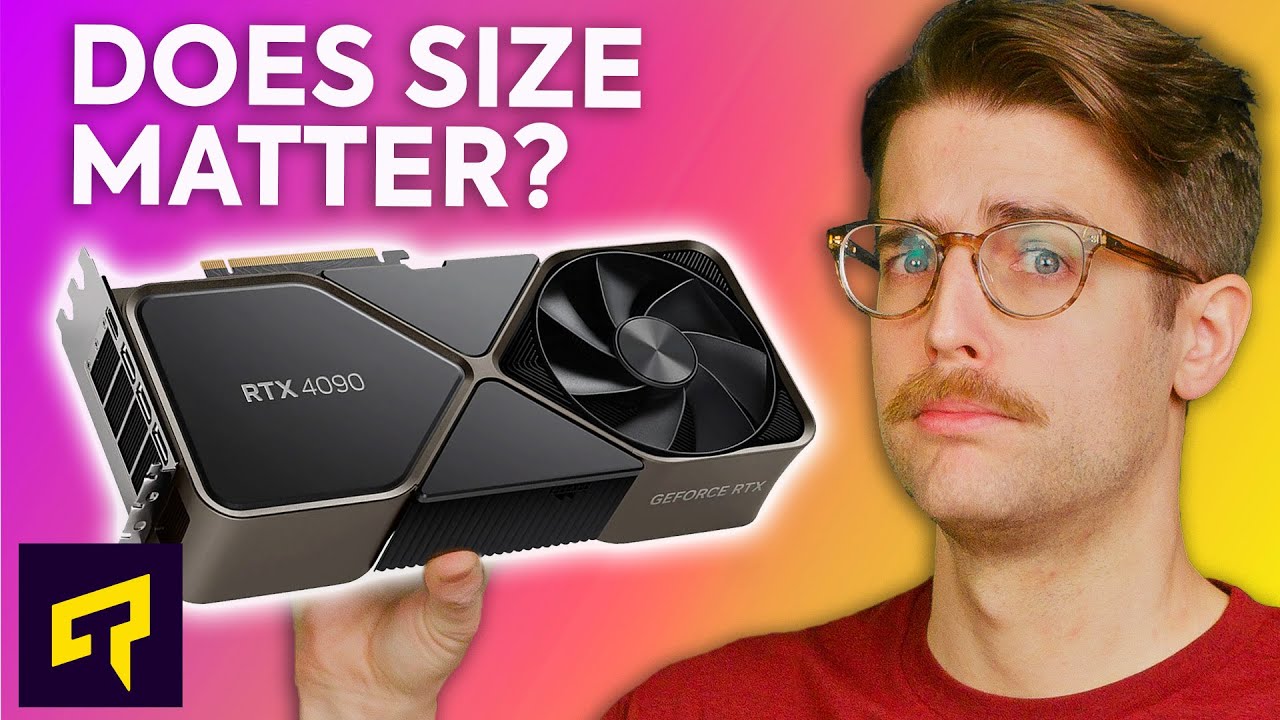
Power through work more efficiently and confidently with the help of Grammarly! Sign up for a FREE account and get 20% off Grammarly Premium: grammarly.com The width of your graphics card's memory bus is an oft-discussed topic - but how much does it matter? Is there a magic number on the spec sheet you should be looking for, or should you be approaching your next GPU purchase differently? Leave a reply with your requests for future episodes. ► GET MERCH: lttstore.com ► AFFILIATES, SPONSORS & REFERRALS: lmg.gg ► PODCAST GEAR: lmg.gg ► SUPPORT US ON FLOATPLANE: floatplane.com FOLLOW US ELSEWHERE --------------------------------------------------- Twitter: twitter.com Facebook: @LinusTech Instagram: @linustech TikTok: @linustech Twitch: twitch.tv
The video explains how VRAM bandwidth and memory bus width relate to GPU performance. It starts by demystifying the memory bus as the data link between the GPU and its video memory, clarifying that it dictates how much data can move per clock cycle and thus how much bandwidth is available. The host uses practical examples, noting that a high end card like the RTX 4090 can have a very wide bus of 384 bits, translating to about one terabyte per second of memory bandwidth, but warns that this alone does not determine real-world performance. The discussion then contrasts bandwidth with other design choices, such as larger caches on variants like the 4080 12GB, which substitutes some VRAM bandwidth with faster on-die memory, potentially improving power efficiency and thermals. Throughout, the emphasis remains that higher bus width and bandwidth are beneficial but not a universal measure of value; buyers should read reviews and benchmarks, watch for texture-related issues or glitches at higher settings, and prioritize overall GPU capability and sufficient VRAM over raw bandwidth figures. The video concludes with guidance to consider cases, power, and cooling, and to use benchmark data to evaluate whether a card actually benefits from more bandwidth in the specific workloads you care about. Overall, the message is that bandwidth matters but is most meaningful in the context of architecture, caching, and workload, so the buying decision should balance multiple factors rather than chasing the largest bus width alone.
Topics · technology · hardware · gpu · computer-science
Questions answered
- What does memory bus width actually represent in a GPU context?
- Memory bus width indicates how many bits can be moved between the GPU and VRAM in one memory clock cycle, effectively describing potential memory bandwidth when multiplied by memory speed.
- Is a wider memory bus always better for every GPU user?
- Not by itself. Real-world performance depends on architecture, caches, workload, and power/thermals. Reviews and benchmarks should be consulted to see if higher bandwidth translates to improvements for your specific games or applications.
- What should I prioritize when buying a GPU besides bandwidth?
- Prioritize a strong GPU core, sufficient VRAM for your target settings, and favorable thermals and power efficiency. Use benchmarks to verify there are no texture or visual issues at your target settings before focusing on bandwidth numbers.