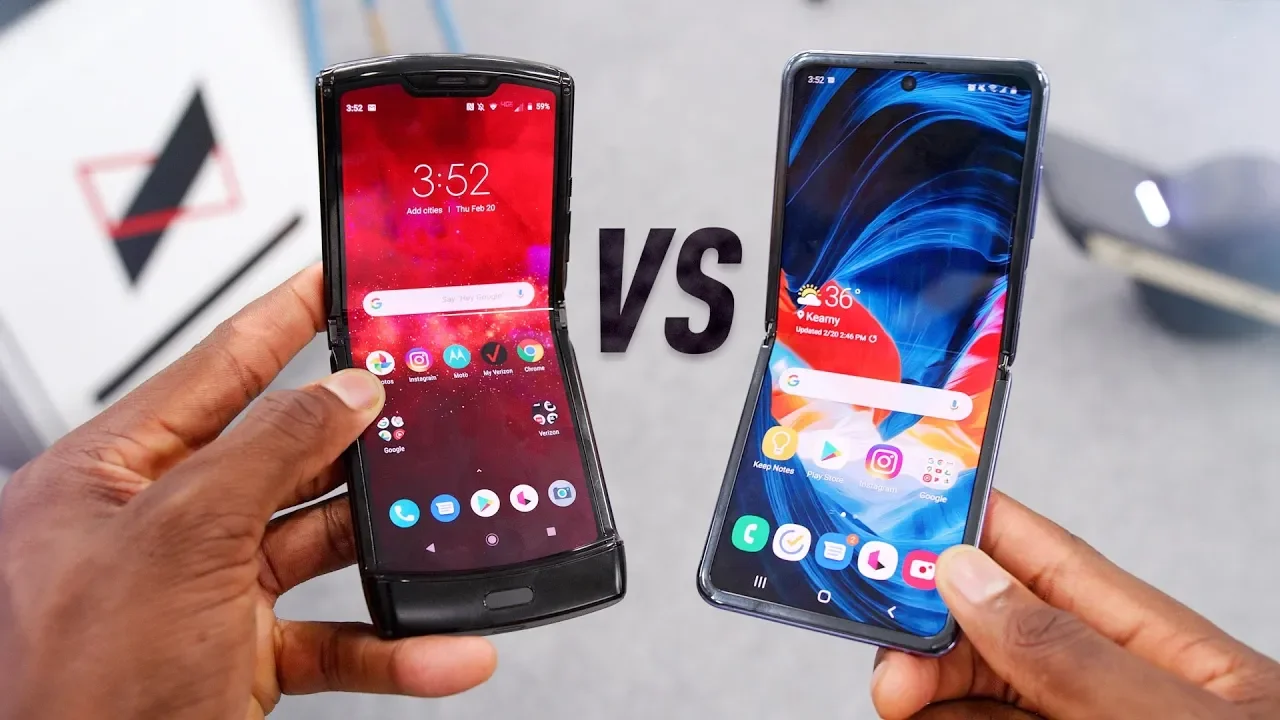
Galaxy Z Flip vs Moto RAZR 2020: 10 Differences!
0 up · 0 down · 0 ratings
Promos
Samsung Galaxy Z Flip vs RAZR 2020 - we finally have context for folding phones! Galaxy Z Flip Unboxing: youtu.be Motorola RAZR First Look: youtu.be MKBHD Merch: shop.mkbhd.com Video Gear I use: kit.co Tech I'm using right now: amazon.com Playlist of MKBHD Intro music: goo.gl ~ twitter.com @MKBHD @MKBHD
The video Galaxy Z Flip vs Moto RAZR 2020: 10 Differences! presents a structured comparison between two flagship foldable smartphones. It systematically evaluates what each device brings to the table in terms of design and practicality, addressing how each phone looks, feels, and functions in daily use. The host walks through the 10 differences with a focus on real-world impact, such as how the hinge mechanism behaves, how the displays perform under normal lighting, and how the overall user experience differs between the two devices. The analysis also touches on durability considerations, potential usability quirks, and the ecosystems each brand promotes for future software updates and accessories. By the end, viewers gain a clear sense of which foldable might better suit different priorities like portability, camera quality, or price. The comparison also emphasizes that foldable phone technology is evolving, so early models show trade-offs that may improve in future iterations. Overall, the video aims to contextualize folding phones beyond hype, offering concrete distinctions that help shoppers make informed choices. A second segment deep dives into display and form factor differences, comparing how the Z Flip and RAZR 2020 unfold and how the inner and outer screens handle everyday tasks. It discusses display brightness, color accuracy, and the usefulness of each screen in multitasking scenarios such as quick replies, app switching, and media consumption on the go. The presenter also weighs ergonomics, including how pocketability and one-handed use feel when flipping open notifications or answering calls. Camera performance is evaluated with attention to practical results in daylight and low light, highlighting how module placement and software processing influence photos and videos on each device. Battery life and charging behavior are compared in the context of the two devices’ overall hardware efficiency and software optimization. The segment closes with a synthesis of real-world takeaways and a verdict on which model serves different user profiles better. A final portion wraps up with a concise summary of the 10 differences, reinforcing the key trade-offs between the Galaxy Z Flip and Moto RAZR 2020. The host reiterates where each phone shines, such as design appeal, hinge reliability, or ecosystem support, while also noting persistent drawbacks like price sensitivity or limited app optimization for foldables. Viewers are left with practical guidance on choosing a foldable based on priorities like camera quality, screen utility, and future-proofing through software updates. The video encourages considering personal use cases, such as frequent commuting, social media habits, and the importance of a compact foldable form factor, to decide which device aligns best with individual needs. In closing, the presenter acknowledges that foldables are a niche with growing potential and invites viewers to share their experiences and preferences in the comments.
Topics · technology reviews · mobile devices · consumer electronics · gadgets
Questions answered
- What are the top design differences between the Galaxy Z Flip and Moto RAZR 2020?
- The video highlights differences in form factor, hinge mechanism, and overall build aesthetics, emphasizing how each device folds and the resulting user experience.
- Which phone offers better camera performance in typical daylight use?
- Camera performance is discussed with emphasis on practical results, noting that processing and hardware contribute to image quality, but exact scores or samples are not provided in this summary.
- Is foldable technology ready for mainstream use or still a niche?
- The video frames foldables as a developing technology with notable trade-offs, suggesting they appeal to enthusiasts or users seeking novelty and design, rather than pure value at current prices.