What's the Difference Between Parallel and Serial?
0 up · 0 down · 0 ratings
Promos
At first, parallel connections might seem like better ways to send data - so why are most modern interfaces like USB serial? Visit tunnelbear.com and start your 7-day free trial today! Techquickie Merch Store: designbyhumans.com Techquickie Movie Poster: shop.crowdmade.com Follow: twitter.com Join the community: linustechtips.com Leave a reply with your requests for future episodes, or tweet them here: twitter.com
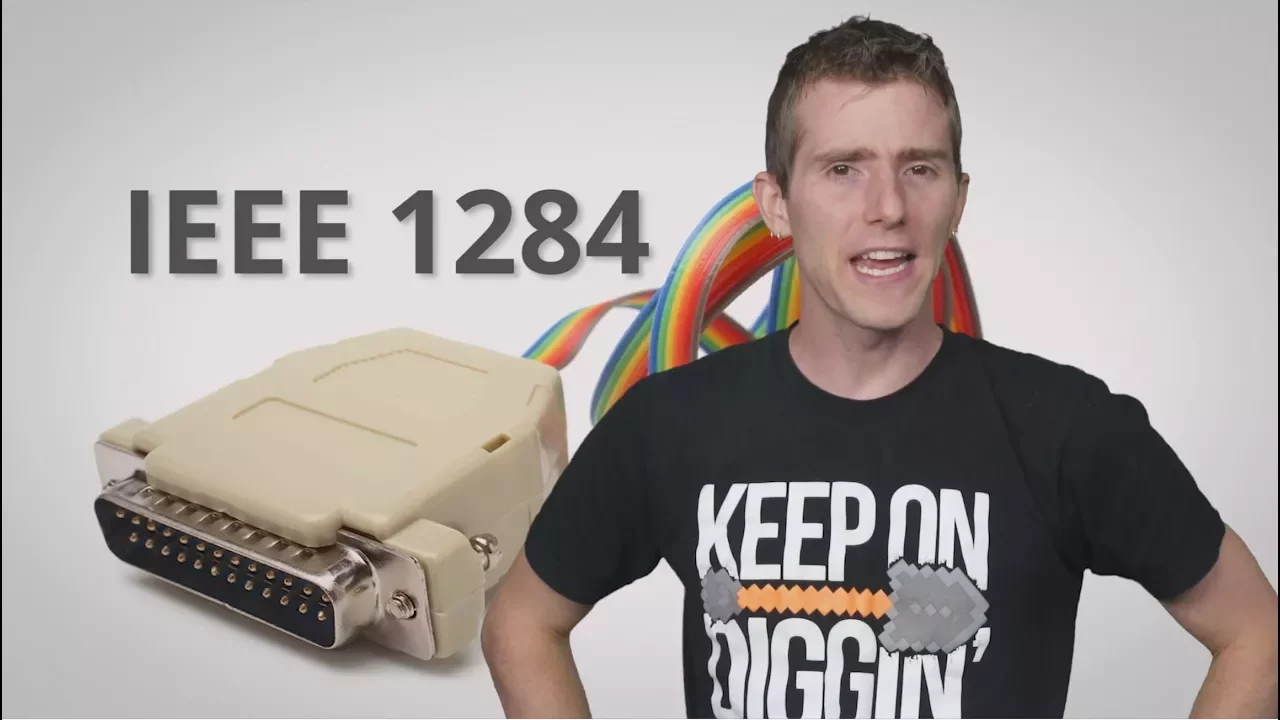
The video explains the fundamental difference between parallel and serial data connections, contrasting older standards such as ieee 1284 and ide with modern interfaces like USB, SAS, SATA, and PCI Express. It begins by noting how parallel systems transmit multiple bits simultaneously across many wires, which increases complexity in synchronization and makes high-speed transmission challenging due to timing mismatches and crosstalk. The host uses approachable analogies to illustrate why increased data rates slow down in parallel systems as more lines are added, and why keeping all data lines perfectly aligned becomes harder in real devices. The narrative then shifts to a discussion of serial connections, highlighting that they use fewer wires but can operate at much higher bit rates because each data line operates independently, mitigating crosstalk and synchronization constraints. The video explains that even within PCI Express, lanes are not synchronized with one another since each lane has its own clock, allowing the host device to combine multiple high-speed channels while handling reassembly and timing on the card itself. A key takeaway is that serial architectures scale well with more lanes, yielding impressive performance in SSDs and high-end graphics cards, while explaining why serial tends to win for most consumer and enterprise interfaces. The host then recaps the practical implications for everyday devices, noting how the design choices around connectors, pins, and signaling have shaped the evolution from bulky parallel cables to flexible serial interfaces. The overall message is that serial technology enables higher throughput and better scalability despite offering only one bit per line at a time, a tradeoff that has driven widespread adoption in modern computing hardware.
Topics · technology · computer_hardware · data_communication · digital_signals
Questions answered
- What is the main advantage of serial interfaces over parallel ones?
- Serial interfaces can achieve higher overall data rates because they avoid complex synchronization across many lines and reduce crosstalk, enabling higher throughput per lane and better scalability as more lanes are added.
- Why do PCI Express lanes not need to be synchronized with each other?
- Each PCI Express lane has its own clock signal, so data is transmitted independently down each lane and the card handles timing and data reassembly, allowing multiple lanes to scale without global synchronization.