This cooler VOIDS your warranty! - Worth the risk??
0 up · 0 down · 0 ratings
Description
Sign up for Private Internet Access VPN at privateinternetaccess.com
Promos
Check out the Ncore by NudeCNC on Kickstarter: kck.st First you upgrade the Intel TIM, then you try out Liquid Metal - the next logical step on the quest for the lowest temps is to completely eliminate the IHS. Buy Liquid Metal On Amazon: geni.us On Newegg: geni.us Discuss on the forum: linustechtips.com Our Affiliates, Referral Programs, and Sponsors: linustechtips.com Linus Tech Tips merchandise at designbyhumans.com Linus Tech Tips posters at crowdmade.com Our production gear: geni.us Get LTX 2018 tickets at ltxexpo.com Twitter - twitter.com Facebook - @LinusTech Instagram - @linustech Twitch - twitch.tv Intro Screen Music Credit: Title: Laszlo - Supernova Video Link: youtube.com iTunes Download Link: itunes.apple.com Artist Link: soundcloud.com Outro Screen Music Credit: Approaching Nirvana - Sugar High youtube.com Sound effects provided by freesfx.co.uk
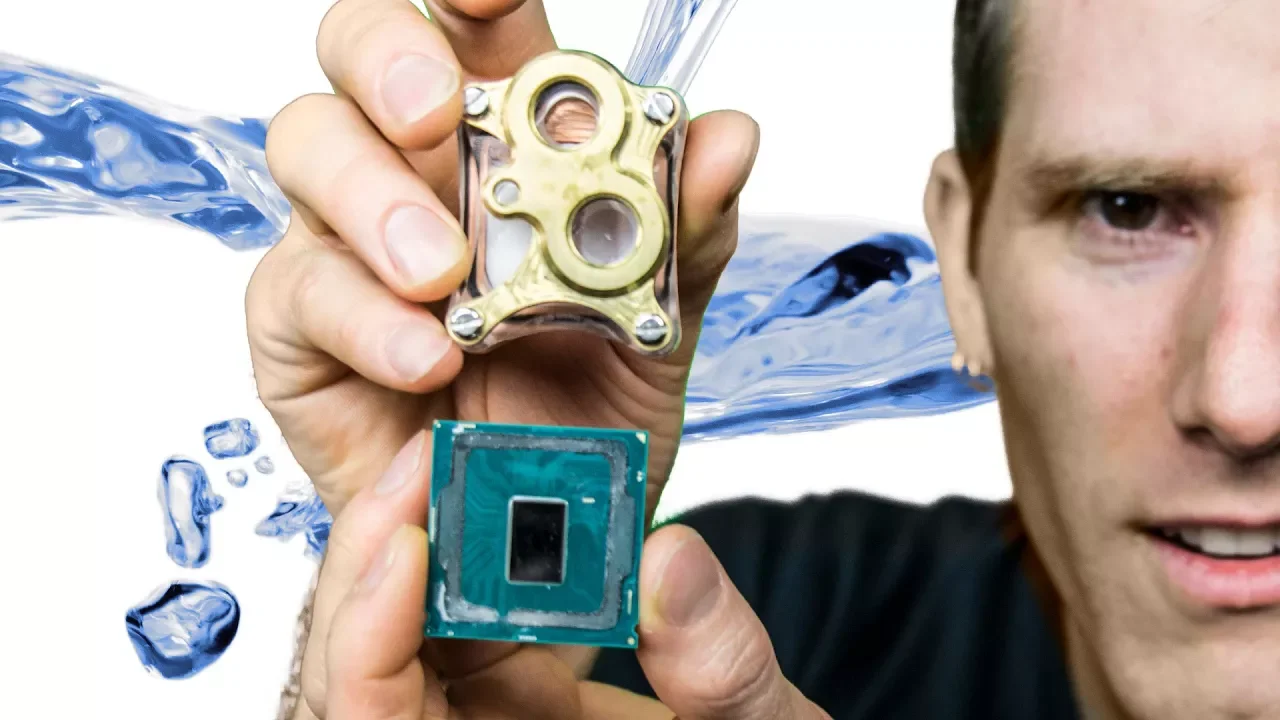
The video opening establishes that the host is testing an unusual water cooling block designed to make contact directly with the CPU die, bypassing the traditional integrated heat spreader IHS. The presenter explains the concept by comparing it to older designs and describes NudeCNC’s Ncore block, which mimics the underside of an IHS to seal against the substrate while being held in place by the socket retention mechanism. The tone blends curiosity with caution as the crew proceeds to delid the CPU and prepare for a direct die mounting, highlighting the precision and risks involved in such a modification. Throughout the early segment, the discussion centers on how improved thermal transfer might yield lower temperatures, while acknowledging that this approach can void warranties and requires careful handling of extreme tolerances. As the test progresses, the team documents a chaotic but methodical teardown, including applying liquid metal, resealing the system, and adapting a nonstandard cooling loop. They warn about the hazards of removing the IHS and the dangers of water cooling in a nontraditional configuration, showing step by step how the base is designed to align with the CPU substrate. A major portion of the mid-video is devoted to practical trial and error, such as draining and reconfiguring fittings, chasing leaks, and repeatedly assessing contact quality between the die and the cooling surface. The execution emphasizes both the potential performance upside and the real risk of hardware damage, creating a sense of high-stakes experimentation. By the end of the testing window, the team reports measurable temperature improvements when using the Ncore block, including an average around 51.5 C under certain conditions and a notable reduction in temperature spread across cores. They compare this against traditional liquid metal and IHS-based cooling, explaining that the gains come at the price of voiding the processor warranty. The conclusion presents a balanced view: the Ncore solution delivers impressive cooling performance, but it is not a recommended or warranty-safe modification for most users. The video finishes with a pragmatic note about what the results mean for enthusiasts versus mainstream users, and a prompt to explore the sponsor and gear used during the test.
Topics · hardware · technology · computers · experimentation · overclocking · DIY
Questions answered
- What is the NudeCNC Ncore cooler and how does it differ from standard cooling blocks?
- The Ncore cooler is designed to replace the CPU's integrated heat spreader by matching the underside shape of a die and sealing onto the substrate, allowing direct contact with the die for potentially lower thermal resistance.
- Does using the Ncore cooler void the CPU warranty?
- Yes, using the Ncore cooler requires voiding the processor warranty, which is a key trade-off discussed in the video.
- What temperatures were achieved with the Ncore compared to the previous setup?
- With the Ncore, the average temperature was around 51.5 C, about two degrees cooler on average than the liquid metal IHS setup, with a notable reduction in core temperature spread.