I Painted his House to Fix his WiFi
0 up · 0 down · 0 ratings
Promos
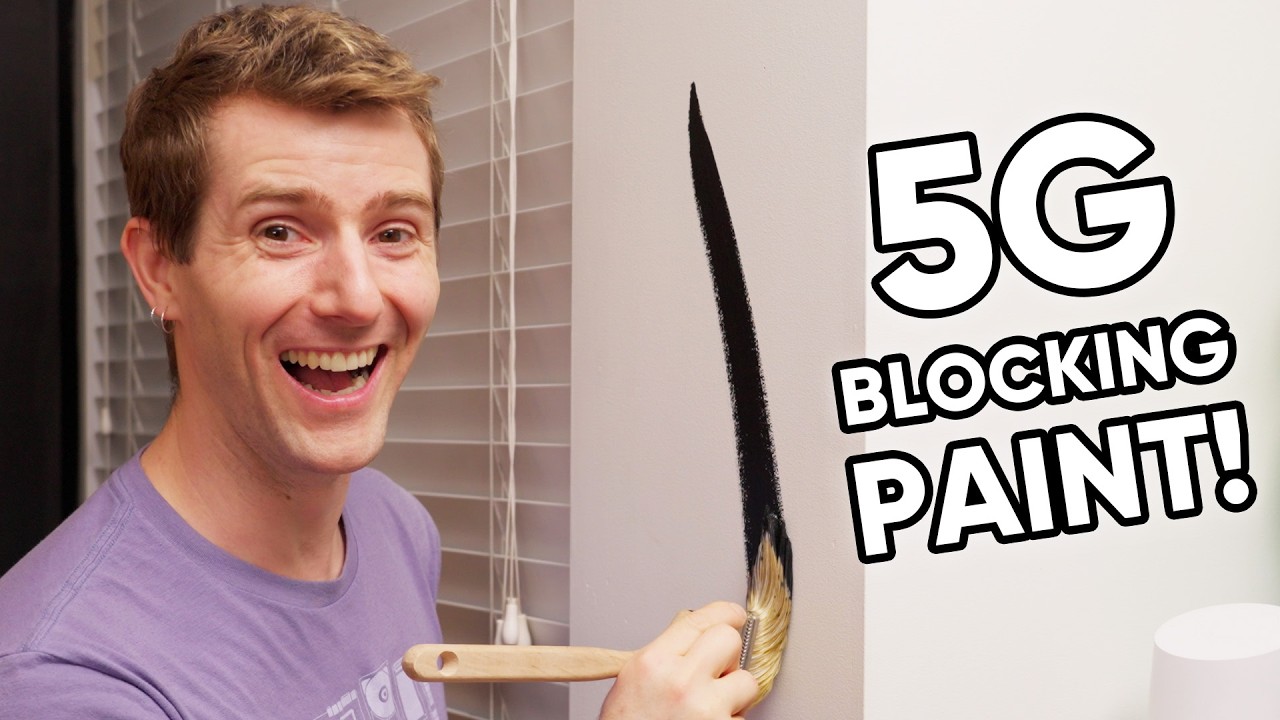
ASUS’s ROG Rapture GT-BE98 and RT-BE88U routers are both driven by WIFI 7 with full support for 10G networking and ASUS’s AiProtection - powered by Trend Micro. The GT-BE98 also has a 2.6GHz quad-core CPU, triple-level game acceleration to boost PC gaming traffic, and an optimized array of 8 antennas to eliminate dead zones! Check them out using our links: rog.asus.com asus.com asus.com Remember the Woremor RF Blocking Paint we tested last year? WELP Elijah decided to volunteer his apartment to test out if this paint can be used to BLOCK his neighbors WIFI to see if we can improve his! So join us as we install an ASUS router and break out the paint rollers to paint Elijah’s apartment pitch black… Discuss on the forum: linustechtips.com Buy an ASUS GT-BE98 Pro WIFI 7 Router: geni.us Buy an ASUS RT-BE88U WIFI 7 Router: geni.us Buy WaveForm Cel-Fi Go Booster: waveform.com Buy WOREMOR RF-IE50 EMR & RF Shielding Paint: geni.us Buy a RF Explorer Pro Spectrum Analyzer: sweetwater.sjv.io Buy a WOREMOR Grounding Plate Set: geni.us ► GET OUR MERCH: lttstore.com ► GET EXCLUSIVE CONTENT ON FLOATPLANE: lmg.gg ► GET A VPN: piavpn.com ► SPONSORS, AFFILIATES, AND PARTNERS: lmg.gg Purchases made through some store links may provide some compensation to Linus Media Group. CHAPTERS --------------------------------------------------- 0:00 Intro 1:35 What is RF Blocking Paint 2:24 "Health Claims" 3:00 Elijah Picks his new Router 4:20 How are we testing if it works? 6:45 Moving Furniture 7:37 Why we need to Ground the walls 9:40 Linus Painting Tips 12:30 Subtle Foreshadowing... 13:20 More painting 14:07 Its completed! 15:00 It works! 16:32 How Well did it work? 20:33 Thank you ASUS for a new Router - Elijah 22:29 Outro
I Painted his House to Fix his WiFi is a mid‑length investigative prank/video experiment that centers on testing a room-scale RF blocking paint to assess its impact on WiFi performance in a real apartment. The hosts set up a controlled before‑after test using an RF measurement tool, a high‑end ASUS Wi‑Fi 7 router, and a ground‑level painting project that covers walls and ceiling. The episode begins with a quick primer on how the graphite‑rich paint is supposed to block RF signals, then introduces Elijah who volunteers his apartment for the test. The team explicitly distances themselves from health claims, focusing strictly on whether signal attenuation within the painted space improves internal network performance. The narrative blends practical testing with humor, house‑painter banter, and sponsor plugs for ASUS hardware, while documenting the challenges of painting, grounding, and potential damage to the ceiling. The conclusion acknowledges measurable improvements in 2.4 GHz performance in certain rooms but finds the overall return on investment modest, suggesting upgrading networking gear might be a more cost‑effective solution. The video ends with recommendations, noting that the RF paint can help in small scopes but is not a full replacement for a robust home network, and teasing future related content. Throughout the longer setup and execution, the team moves furniture, grounds walls, and uses advanced measurement tools (like an RF Explorer Pro) to capture baseline readings before and after painting. They select between two routers from ASUS, explaining the differences in ports, multi‑link operation, and gaming acceleration features, while joking about the router’s dramatic design. The on‑screen work includes real‑time demonstrations of signal strength across 2.4 and 5 GHz bands, a 3D visualization of surrounding interference, and a plan to remeasure after the painting is completed. The video also documents the practical hiccups of a large DIY project, including concerns about ceiling paint compatibility, primer needs, and the potential for unintended side effects on living spaces. The crew emphasizes that this is a science‑driven exploration rather than a guaranteed fix, and they invite viewers to discuss results in forums and follow up with additional testing. As the project progresses, the team reveals the steps taken to ground the walls so the RF blocking layer remains effective, explaining the purpose behind the grounding plates and tape connections. They capture a sequence of painting mishaps and give practical tips on technique, brush handling, and common DIY pitfalls, all while debating the visual outcome of a fully black apartment. The after‑test montage shows the measured improvements in the 2.4 GHz spectrum, with specific room‑by‑room percentages and qualitative observations about signal stability. The final assessment weighs the cost and effort against the observed gains, acknowledging that the most meaningful improvements occurred in 2.4 GHz, which is vital for IoT devices. In closing, the hosts reiterate that the ASUS router performs well, but upgrading to devices that support newer bands (like 6 GHz) would likely yield a more significant, scalable improvement for an apartment setting. The video ends on a light note, with sponsor credits and a reminder of the ongoing exploration into how far hardware and room modifications can push WiFi performance.
Topics · technology · entertainment · diy · networking
Questions answered
- What is the main goal of the video and what product is tested?
- The main goal is to test whether an RF blocking paint can reduce neighbor interference and improve WiFi performance inside Elijah's apartment, using ASUS Wi‑Fi 7 routers and measurement tools.
- Which WiFi bands saw the most improvement in the test?
- The 2.4 GHz band showed the most improvement, with significant attenuation in several rooms, while 5 GHz showed little to no measurable improvement within margin of error.
- What are the practical caveats mentioned about painting and grounding?
- Grounding the walls is necessary for the RF paint to be effective; ceiling paint may require primer and could have issues if not treated, and there are limitations to a full apartment scale cure.
- What do the hosts ultimately conclude about cost vs benefit?
- They conclude that the visible improvements were modest for the money spent and effort involved, recommending upgrading networking hardware as a more cost‑effective long‑term solution.
- What future directions do they hint at?
- They suggest that a full‑scale floor treatment or exploring 6 GHz devices could yield greater benefits and plan to continue testing related tech solutions.