Dead Hard Drive? Lost Data? Try the Freezer Method! Linus Tech Tips
0 up · 0 down · 0 ratings
Description
Sometimes you can resurrect a dead hard drive just long enough to pull off your precious data before RMAing it back to the manufacturer. In this case it didn't work, but it's always worth a try.
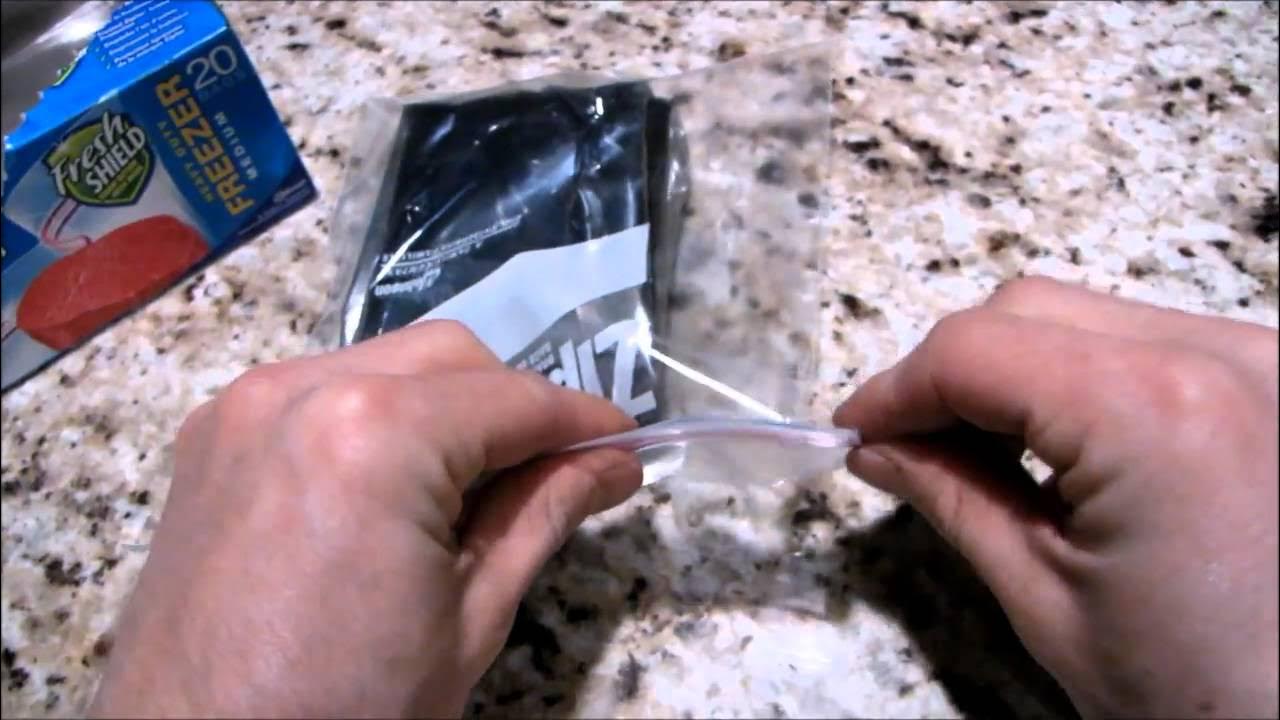
The video opens with Linus in the kitchen outlining a recovery experiment for a failing hard drive. He explains that while he typically has backups, this particular drive contains about 100 gigabytes of video footage not yet archived, which motivates trying the freezer method as a last resort to recover data long enough to copy it off. Linus walks through safety precautions, like removing the interface cable and sealing the drive in an anti-static bag, and he identifies the issue as a non-spinning drive that still makes sounds when powered. He notes that the method has mixed success depending on the drive, and sets up a controlled timeline, planning to freeze the drive for a couple of hours before attempting to power it again in hope of temporary data access. The plan is framed as a low-risk, high-reward experiment, with a full disclosure of the risks and highly variable outcomes depending on the internal state of the platters. He keeps viewers informed about the sentiment and potential outcomes, emphasizing that backups are the real safety net but that this technique has helped some drives recover data momentarily. The narrative then follows his practical steps: cooling the drive, mounting it back into the system, and attempting a read to see if any data becomes accessible, while keeping the audience updated on the result and its implications for data recovery strategies. As the temperature treatment unfolds, Linus documents the attempt's progress with real-time observations, including the drive appearing cold and the subsequent detection results. After the initial failure where the drive is not detected, the video changes direction from a success claim to a cautious report of disappointment, encouraging viewers to consider this method as a potential, not guaranteed, option. He adds a closing note that the drive is eventually detected only as a bare component rather than a functioning drive with recoverable volumes, leaving the door open for further experiments but setting expectations realistically. Throughout, the video blends practical hardware troubleshooting with lighthearted commentary about cat interruptions and home setup, delivering a candid a look at a niche data recovery trick and a reminder of the unpredictable nature of mechanical drives. The overall takeaway is that the freezer method is a low-cost, high-uncertainty tactic that may buy time to recover essential files, but it is not a guaranteed fix. Linus frames the discussion around backup hygiene and the importance of having redundant storage, while still sharing a memorable, sometimes dramatic, hands-on experiment that demonstrates how even a failed attempt can yield practical lessons for data preservation and drive management.
Topics · science & technology · hardware repair · data recovery
Questions answered
- What is the freezer method in data recovery and when should you consider it?
- The freezer method is a last-resort technique where a non-spinning or intermittently spinning hard drive is cooled to reduce internal friction, with the potential to briefly spin up and allow data to be read long enough to copy essential files. It should be considered only when backups are incomplete or unavailable, and after evaluating drive condition and potential risk to further damage.
- Did Linus actually recover data from the drive using this method?
- In this video the drive is not successfully detected as a readable volume after the freezer attempt, so no data is recovered in this instance. The video demonstrates the process and the uncertainty of the method rather than a guaranteed outcome.