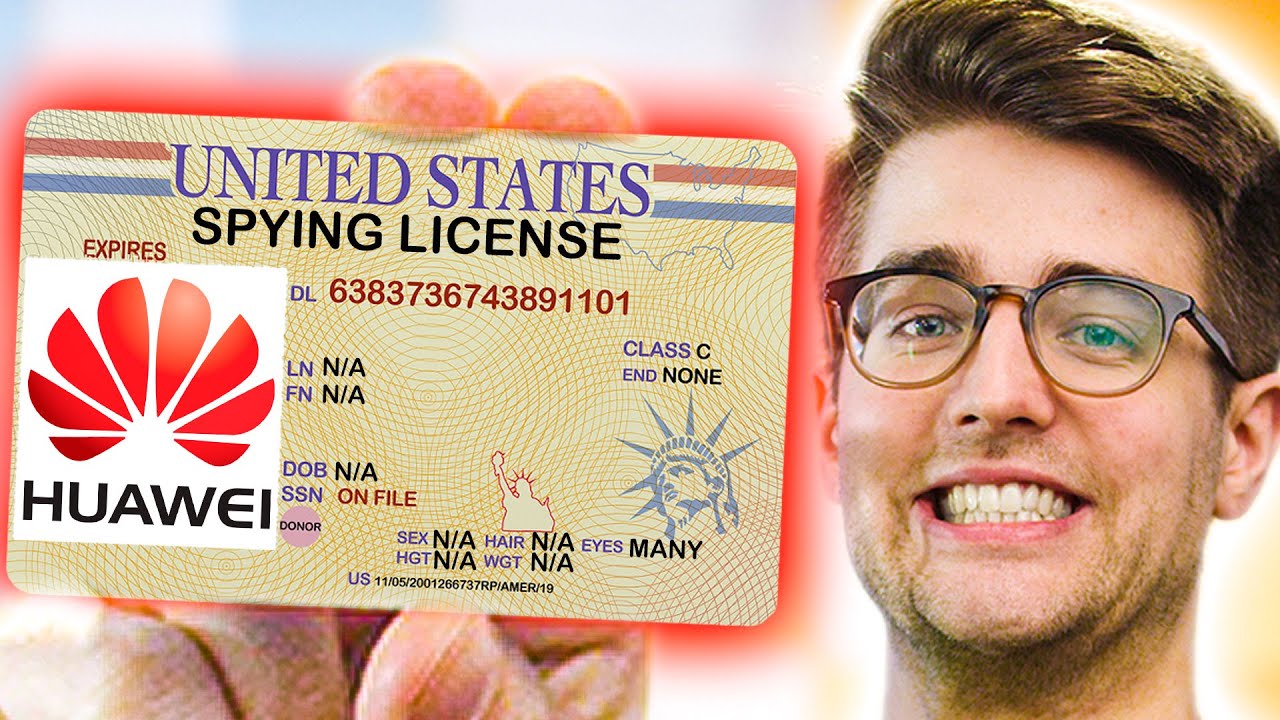
Huawei's ALLOWED to spy now!
0 up · 0 down · 0 ratings
Promos
Use Offer Code TechLinked to get 15% off your entire order at vincerowatches.com GET MERCH: lttstore.com Twitter: twitter.com Instagram: @TechLinkedYT Facebook: @TechLinked NEWS SOURCES: A LESS FATTY SWITCH youtube.com nintendo.com HOW TO FAKE BEING A PRO arstechnica.com support.google.com youtube.com WAIT… GOOGLE’S… THE BAD GUY?? vrt.be linustechtips.com thenextweb.com QUICK BITS INTEL SALTY LAKE hothardware.com Destiny 2 won’t run on Ryzen 3000 pcgamer.com AW, THEY CARE engadget.com youtube-creators.googleblog.com LICENSE TO SPY gizmodo.com ft.com SOMEONE KEEP AN EYE ON MONACO france24.com HELLO MR. ANDERSON theverge.com checkpoint.com
The video kicks off with light banter about the Nintendo Switch Lite, using it to segue into a broader discussion of technology and regulatory environments. It then pivots to Huawei and the US entity list, explaining that the US Commerce Department will issue licenses for specific trades that do not threaten national security, effectively allowing certain interactions under controlled conditions. The hosts unpack what this means for Huawei, noting that while the company remains on the banned list, there could still be narrowly approved transactions, which critics argue is a form of selective tolerance rather than a clear stance. Throughout, the discussion blends current events with quick tech updates, including a quick bits segment about other industry topics and a tongue-in-cheek nod to the cultural conversation around surveillance and privacy. The host commentary emphasizes skepticism about corporate surveillance while highlighting the complexity of international trade rules, arguing that licenses might be a necessary workaround but do not fully resolve concerns about security and privacy. The segment closes with a reminder of ongoing privacy debates, plus a playful sign-off that reinforces the show’s approachable, humorous tone while inviting viewers to consider the real-world implications of state regulation on technology companies. The overall takeaway is that licensing is a potential, limited pathway for certain activities, but the broader privacy and security concerns around device surveillance remain unresolved and hotly debated in public discourse.
Topics · Technology · Privacy · Regulation · Geopolitics