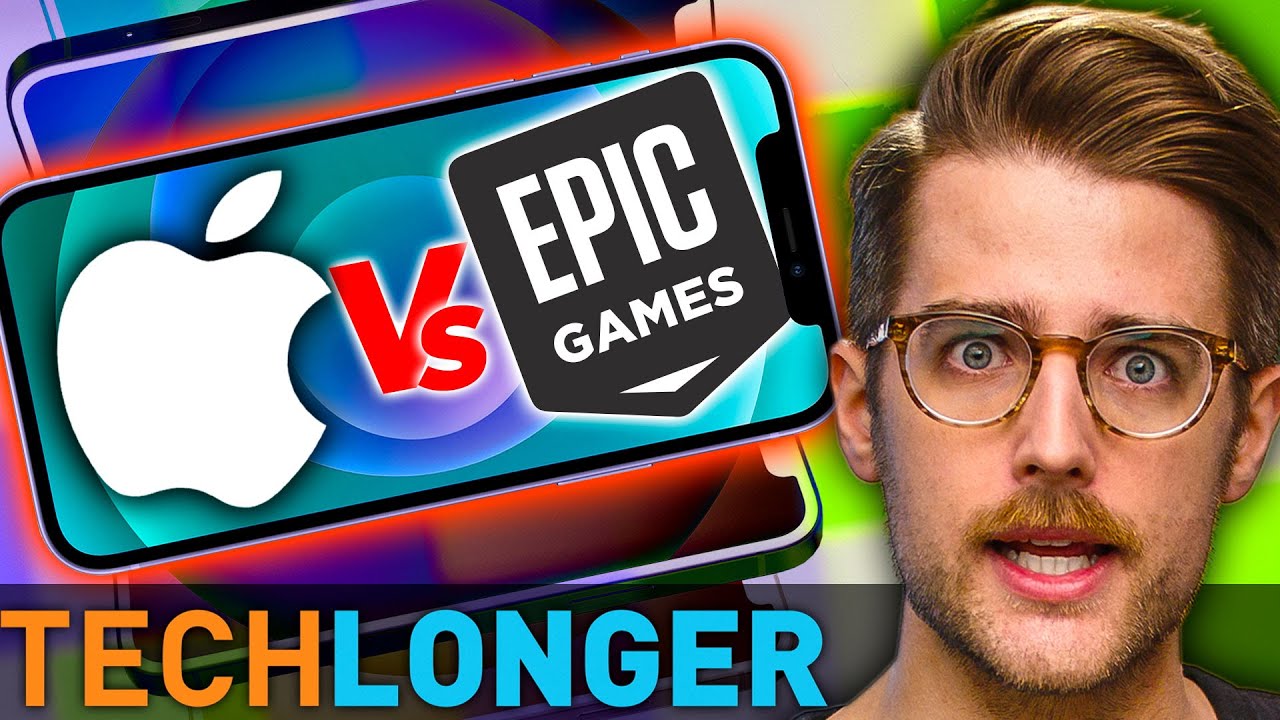
Apple's Painful 2-year Fortnite Lawsuit, Explained | TechLonger
0 up · 0 down · 0 ratings
Promos
Thanks to MANSCAPED for sponsoring today's video! Get 20% OFF + Free Shipping @Manscaped at → manscaped.com ►HUGE thanks to everyone who helped with this video! Alex Potvin [Editor, Miracle Worker, Meme Lord] - twitter.com Richard Hoeg [Lawyer, YouTuber, Fortnite player] - youtube.com Adi Robertson [Reporter, Game Developer, Tweeter Supreme] - twitter.com Brandon Lee [Shooter, Set Designer, Vegan] - twitter.com Andy Zhang [Shooter, Quick Executer] - twitter.com And of course LINUS SEBASTIAN for letting me take basically a year to get this out heh heh ok ►► LISTEN TO THE TECH NEWS: lmg.gg ► GET MERCH: lttstore.com ► AFFILIATES, SPONSORS & REFERRALS: lmg.gg ► PODCAST GEAR: lmg.gg ► SUPPORT US ON FLOATPLANE: floatplane.com --------------------------------------------------- Timestamps: 0:00 Intro 2:13 HYPE INTRO 2:32 iOS vs. Android and friends 6:07 Epic's case 10:09 Aftermath of the lawsuit 12:22 The Trial 21:38 Tim Sweeney's crusade 23:49 The Master Plan (Project Liberty) 28:19 The Fallout / The Future FOLLOW US ELSEWHERE --------------------------------------------------- Twitter: twitter.com Instagram: @TechLinkedYT Facebook: @TechLinked
Apple’s Fortnight saga unfolds as a high-stakes clash over control of mobile ecosystems, app store economics, and the future of how software is delivered on phones. The video begins by framing the core conflict: Epic Games challenges Apple and Google over their 30 percent commission and closed app store ecosystems, arguing that this model suppresses competition and innovation. It describes Epic’s move to bypass in-app purchases in Fortnite on iOS and Android, which triggered Fortnite’s removal from the App Store and Google Play. The host uses approachable metaphors to illustrate the market dynamics, then pivots to the central legal questions: is there a monopoly in the mobile sub-markets for apps, and are anti-competitive practices justified by platform security and user experience considerations? The narrative advances by comparing iOS and Android as two distinct but parallel markets, each with its own constraints, and contrasts Epic’s strategy with the broader tech industry’s incentives and antitrust scrutiny. The trial unfolds with Judge Yvonne Gonzalez Rogers presiding, while important disclosures reveal how Apple’s internal communications and public messaging shaped perceptions of the App Store. The host then digests the strategic dimensions of Project Liberty, Epic’s long-term plan to force changes in platform monetization, and places this within a global regulatory context where policymakers have already started scrutinizing platform fees and governance models. Throughout, the video tracks the evolving fallout: Epic’s public relations gambit, the trial’s evidentiary disclosures, and the incremental policy shifts by Apple and Google in response to antitrust pressure, including new payment options in some markets. The conclusion emphasizes that while the court ruling was complex and somewhat mixed, the case has broad implications for how developers, users, and platforms interact, and for the ongoing evolution of mobile computing as a space with significant legal, economic, and technical implications. The host closes by signaling that this is just the beginning of a broader realignment in digital marketplaces, hinting at further legal battles, regulatory reforms, and the potential redefinition of what an iPhone or Android device is in a world where platform governance and competition policy gain increasing importance. Overall the video presents a thorough, documentary-style exploration of the Epic versus Apple legal saga, situating a seemingly specific lawsuit within a much larger debate about who controls access to software ecosystems and how value from digital goods should be shared. The narrative blends legal analysis, industry gossip, and thoughtful commentary on the metaverse, cross-platform strategies, and the future of app distribution, inviting viewers to consider not just who wins in court, but what kind of digital world we want to live in. The result is a cohesive, future-facing examination of one of tech’s most consequential antitrust episodes, anchored in the concrete details of trial testimony, corporate strategy, and regulatory trends.
Topics · technology · law · antitrust · apps and platforms · mobile computing · digital economy
Questions answered
- What is the central legal claim Epic makes against Apple and Google in the Fortnight case?
- Epic argues that Apple and Google operate monopolies in their mobile app sub-markets by enforcing anti-competitive rules, such as the 30 percent in-app purchase cut and restrictions on side loading and third-party payment options.
- What was the outcome of the initial ruling in the Epic versus Apple case?
- The court found Apple mainly in compliance on most counts, but also found Apple violated California unfair competition law by restricting certain developer calls to action and directing users to payment methods outside Apple’s system.