Testing Real 5G: Part 2!
0 up · 0 down · 0 ratings
Promos
An exclusive first test of T-Mobile's new 600MHz 5G network 5G: Explained youtu.be T-Mobile OnePlus 7T Pro: t-mobile.com Doug Demuro on the Mclaren GT: youtu.be OnePlus + Mclaren experience contest: twitter.com MKBHD Merch: shop.mkbhd.com Video Gear I use: kit.co Tech I'm using right now: amazon.com Intro Track: Mr J Medeiros Playlist of MKBHD Intro music: goo.gl ~ twitter.com @MKBHD @MKBHD
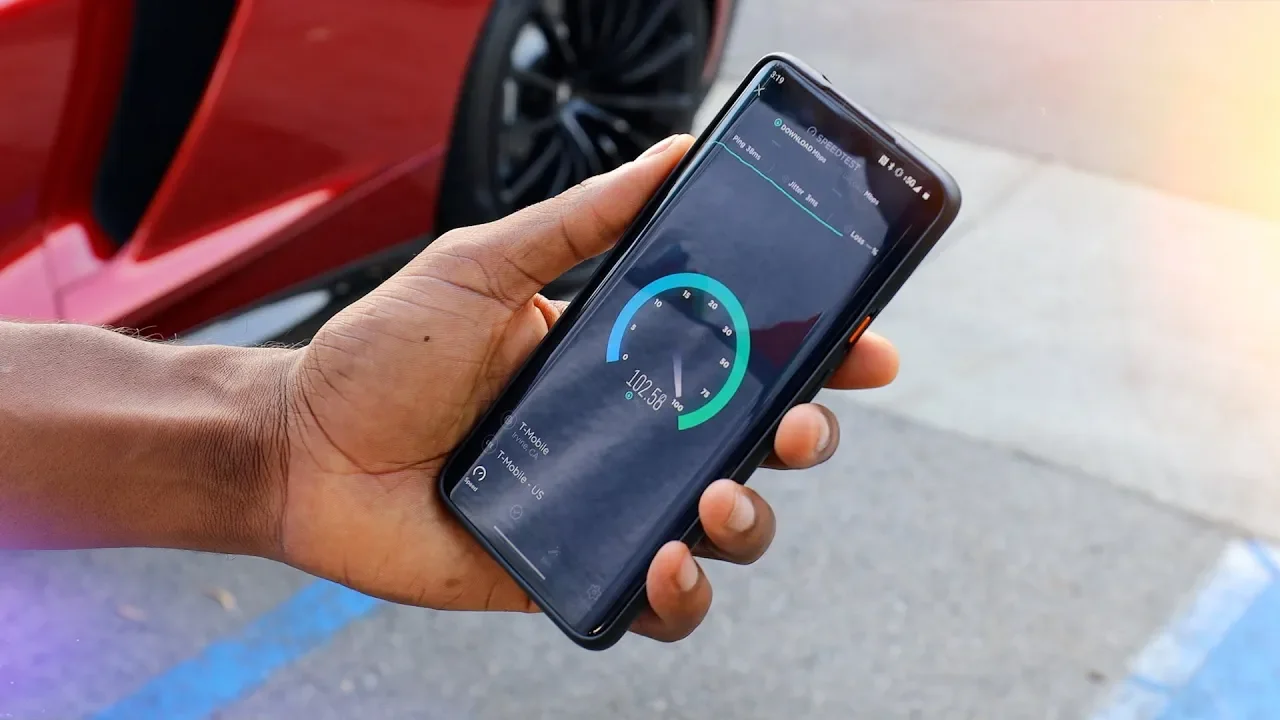
In Testing Real 5G: Part 2, Marques Brownlee revisits the ongoing evolution of carrier 5G deployment with a focus on how rollout strategies affect real-world performance. He discusses the difference between millimeter wave, mid-band, and low-band approaches, noting that 5G can be deployed across large areas using low and mid bands first, with millimeter wave filling in later. The video uses LA as a testing ground to compare speeds measured on two 5G-enabled devices, specifically the OnePlus 7T Pro 5G McLaren Edition and the Samsung Galaxy Note 10 Plus 5G, while highlighting how coverage varies as you move away from a tower. Marques emphasizes that while millimeter wave delivers ultra-fast speeds, it does not travel far or penetrate obstacles well, which motivates the lower-band rollout strategy to reach more people sooner. He also explains the practical tradeoffs of these technologies by sharing measured download and upload speeds, comparing them to 4G baselines, and discussing how this affects everyday tasks like video streaming and large file downloads. At the end, he contrasts Verizon’s millimeter-wave-first approach with T-Mobile’s broader low- and mid-band strategy, inviting audience opinions on which rollout approach they find most effective and why. The video also blends a light tech car segment, spotlighting the 2020 McLaren GT and its features, to keep the content engaging while reinforcing the concrete point that 5G access on phones exists in a broader ecosystem of devices and speeds. Overall, the video frames real-world 5G as a gradually improving network experience that prioritizes user reach and reliability over sensational peak speeds, while acknowledging the media headlines that often accompany the technology race. Marques closes by teasing a related OnePlus and McLaren contest, encouraging viewers to participate for a chance at winning the 5G phone and a driving experience.
Topics · Technology · Telecommunications · Automotive · Reviews
Questions answered
- What are the main 5G rollout strategies discussed, and how do they impact user experience?
- The video explains two main strategies: Ver izon's millimeter wave-first approach that targets small, high-speed zones and T-Mobile's approach of starting with low band and mid band to cover broader areas before filling gaps with millimeter wave. The impact is that low and mid bands provide more reliable coverage and usable speeds over large distances, while millimeter wave offers higher peak speeds but limited reach and penetration.
- Why does millimeter wave deliver higher speeds but poorer coverage?
- Millimeter wave signals have extremely high frequencies which allow faster data transmission but suffer from poor propagation and penetration, meaning they don’t travel far or pass through obstacles easily, leading to coverage that is strong near towers but weak further away.