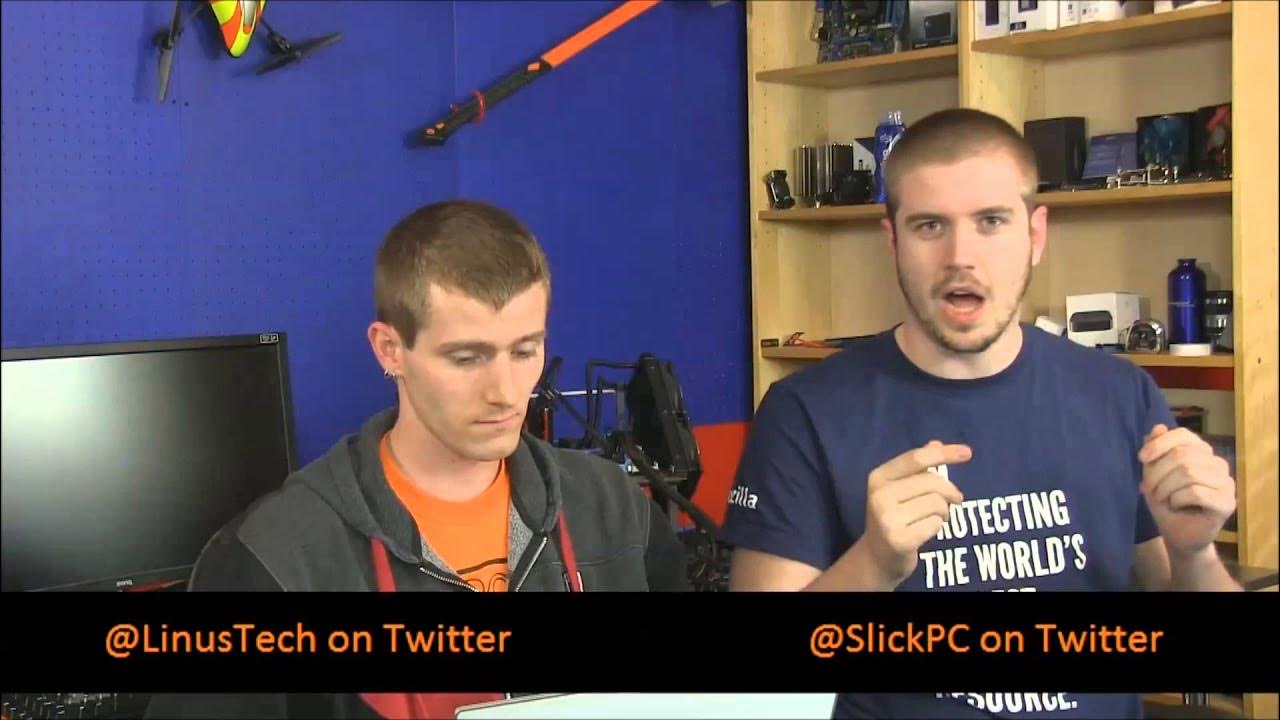
Linus Tech Tips Live Show Archive - April 5, 2013
0 up · 0 down · 0 ratings
Description
Check Below for a Google Doc with all the links for our topics! 4:37 Bioshock Infinite Audio Quality 7:18 Pizza Moderation Domination 11:44 Ouya, ouno? 29:00 Interview with Ryan Shrout 1:10:48 We are not pleased with Vbulletin because it isn't very good 1:25:45 Blackberry shares your porn 1:27:47 Facebook phone 1:35:25 Slick's solo segment docs.google.com
Linus Tech Tips Live Show Archive from April 5, 2013 is a long form live stream recap featuring multiple tech topics, interviews, and community interactions. The show opens with a brief welcome and an explanation that Ryan Shrout from PC Perspective will join via Skype due to video limitations, with plans to relay his input through audio and a potential avatar if the connection is poor. Host banter explores possible call-in workarounds, including a remote mic setup and the challenges of remote interviews in a live broadcast setting. The first major topic centers on BioShock Infinite audio quality, with a live demonstration of PC versus console audio, and a discussion about how to access the clip through a shared link. Interludes include a lighthearted pizza delivery prank from the mod team, which the hosts receive on stream and comment on with humor while continuing the discussion. The show then pivots to Ouya, the Android-based game console, analyzing its Kickstarter origins, hardware promises, and the potential limitations in the context of the evolving Android and Tegra 4 landscape, as well as latency and emulation considerations. The discussion moves to Android’s live information features, including a system that pauses media to display actor and movie data, which prompts reflections on how such features could affect media consumption. The hosts debate whether Ouya can realistically compete against mainstream consoles and newer streaming devices, weighing the appeal of a sub-$100 price against the realities of hardware and software maturity in the market. The show features a long-form discussion about frame rates and frame times, contrasting Fraps-style frame rate measurements with frame rating techniques that capture output as seen by the user, highlighting the impact of crossfire and SLI configurations on perceived smoothness. Ryan provides a thorough explanation of frame rating, including how color overlays on captured video reflect individual frame contributions, the importance of removing runt frames, and how this method better represents user experience than traditional frame rate figures. The hosts also cover the ongoing state of VBulletin security, forum moderation concerns, and general community dynamics, tying these threads back to the live show format and how viewer participation shapes topics. The flow returns to practical hardware discussions, including references to 1080p versus higher resolution capture for audio quality, and the role of drivers and DirectX pipelines in shaping observed performance metrics. Throughout the broadcast, the hosts touch on a variety of hardware topics, including discussion of a Windforce cooled GTX Titan, an Unreal Engine 4 comparison between PS4 and PC, and concept memory technologies described as being potentially “15x faster than DDR3.” The show closes with a teaser about two build logs of the week, one ultra high-end and one more accessible, inviting the audience to consider DIY hardware projects that are attainable for typical enthusiasts. Overall, the archive preserves Linus Tech Tips’ signature blend of tech news, practical hardware insights, and community-driven humor, set within the context of a live, unscripted show where improvisation and real-time problem solving are part of the experience.
Topics · technology · gaming · live_stream · hardware · video_content
Questions answered
- What was the role of Ryan Shrout in the April 5 2013 Linus Tech Tips Live Show Archive?
- Ryan Shrout appeared via Skype as a special guest to discuss PC hardware perspectives and provided expert commentary on topics like frame rates and testing methods.
- What is frame rating and how does it differ from traditional frame rate measurements?
- Frame rating captures the actual output frames as seen on the monitor, including driver and pipeline effects, whereas traditional frame rate measures the number of frames the game engine intends to render. Frame rating uses overlays to quantify how many frames are displayed and how long they stay on screen, giving a closer approximation to perceived smoothness.