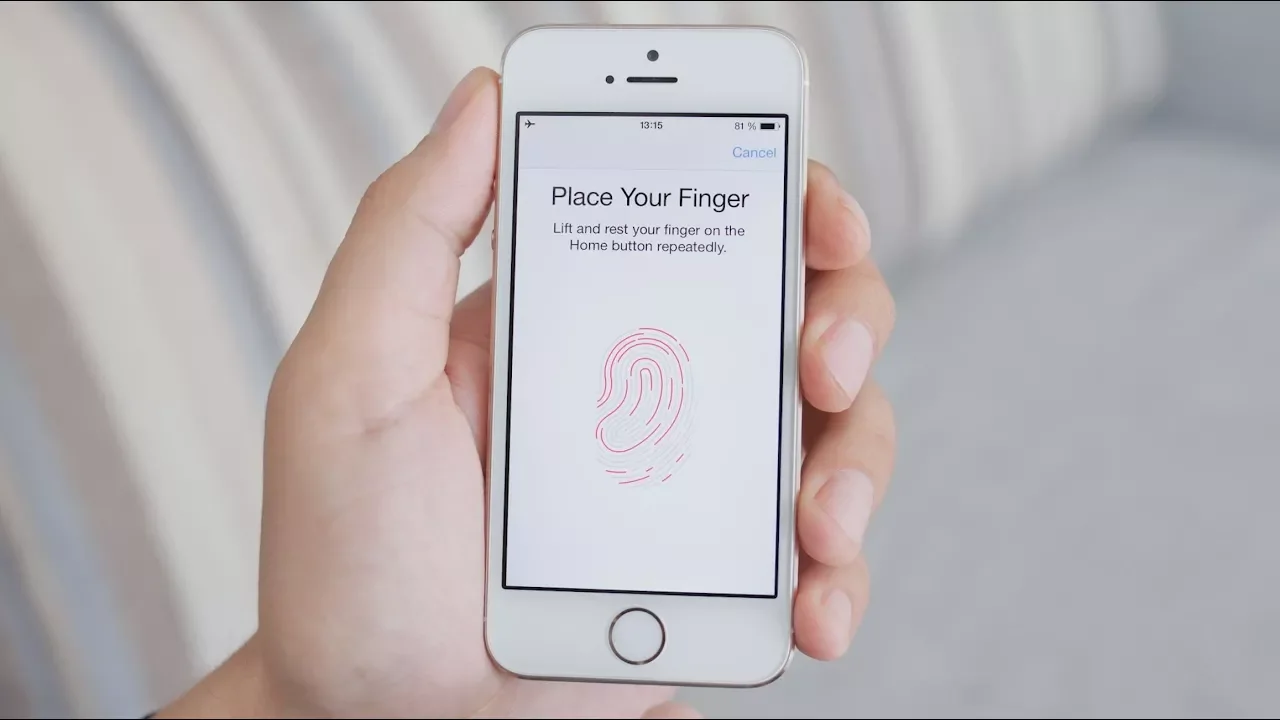
How Does Fingerprint Scanning Work?
0 up · 0 down · 0 ratings
Promos
Freshbooks message: Head over to freshbooks.com and don’t forget to enter Tech Quickie in the “How Did You Hear About Us” section when signing up for your free trial. Fingerprint scanners built into phones and computers make it easy to gain access without a clunky password or PIN, but how have they gone from the realm of spy films to becoming a mainstay on modern consumer gadgets? Techquickie Merch Store: designbyhumans.com Techquickie Movie Poster: shop.crowdmade.com Follow: twitter.com Leave a reply with your requests for future episodes, or tweet them here: twitter.com Join the community: linustechtips.com Intro Theme: Showdown by F.O.O.L from Monstercat - Best of 2016 Video Link: youtube.com iTunes Download Link: itunes.apple.com Listen on Spotify: open.spotify.com
The video explains how fingerprint scanners in consumer devices operate, focusing on the core principle of capacitance used in most modern readers. It compares fingerprint sensing to touch screen technology, noting that sensors embed tiny conductive plates beneath the surface to detect variations in capacitance as ridges and valleys contact the sensor. When a finger is placed on the reader, the portions of the finger that touch the sensor produce a different capacitance than the valleys between ridges, enabling the device to form a digital image of the fingerprint pattern. The presentation covers the evolution from early readers to mainstream adoption with the iPhone 5s and Touch ID in 2013, and also outlines alternative technologies such as optical and ultrasonic sensors. Optical readers capture a traditional image with visible light, though they are bulkier and less common in portable devices, while ultrasonic readers emit pulses that bounce off fingerprint ridges to build a 3D map, offering potential benefits like working through moisture and certain materials. The video also discusses security caveats, emphasizing that fingerprints are not perfect secrets and can be spoofed or circumvented with molds, though many systems try to mitigate this by storing encrypted fingerprints in secure enclaves and encouraging the use of passwords or pins as a fallback. Overall, fingerprint scanning is a balance of convenience and security, with ongoing improvements aimed at reliability, durability, and resistance to spoofing, as well as broader integration into mobile and other devices.
Topics · technology · biometrics · hardware · security
Questions answered
- What is the main physical principle behind most fingerprint scanners on devices today?
- Most fingerprint scanners use capacitance differences created by the ridges and valleys on a finger to form a digital image of the fingerprint.
- What are the alternative fingerprint sensing technologies mentioned besides capacitive?
- The video mentions optical sensors that capture a traditional image with visible light and ultrasonic sensors that use sound pulses to map the fingerprint in 3D.