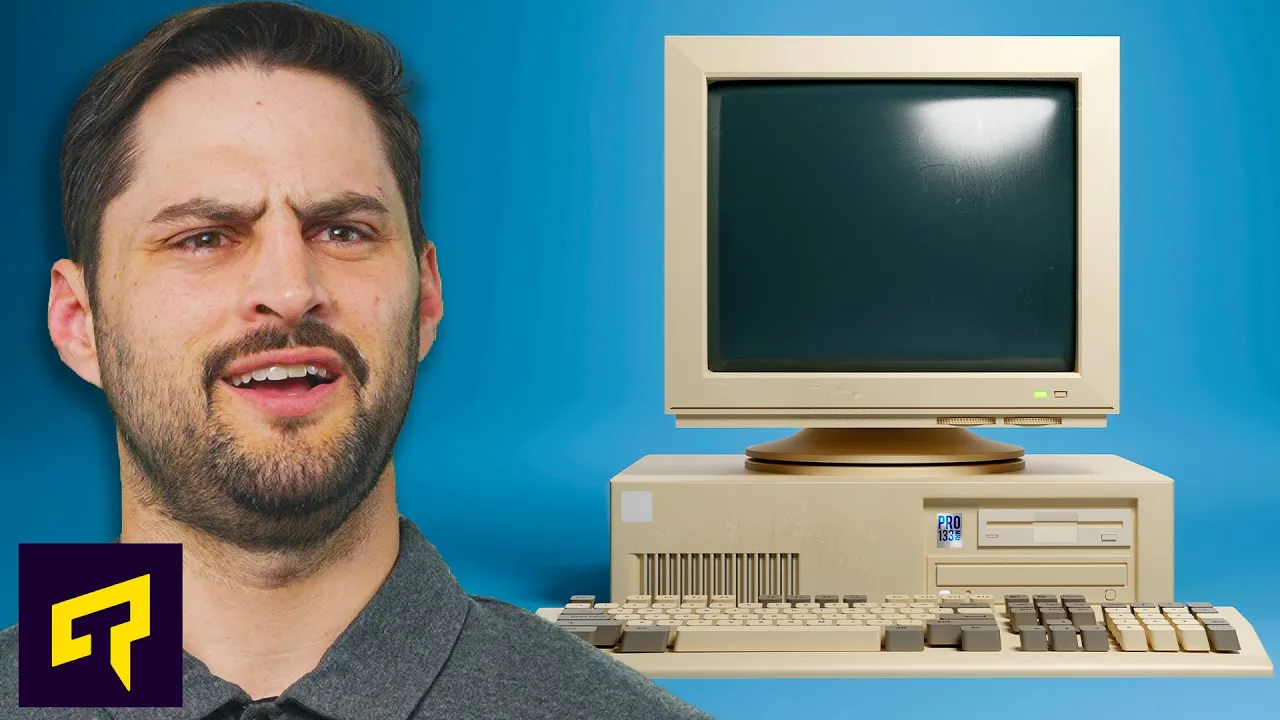
What happened to HORIZONTAL PC cases?
0 up · 0 down · 0 ratings
Promos
Your business deserves a website! Create one for free at odoo.com For a long time, it was common for monitors to sit on top of horizontal desktop computer cases. Why don't we do this much anymore? Leave a reply with your requests for future episodes. ► GET MERCH: lttstore.com ► GET A VPN: piavpn.com ► GET EXCLUSIVE CONTENT ON FLOATPLANE: lmg.gg ► SPONSORS, AFFILIATES, AND PARTNERS: lmg.gg FOLLOW US ELSEWHERE --------------------------------------------------- Twitter: twitter.com Facebook: @LinusTech Instagram: @linustech TikTok: @linustech Twitch: twitch.tv
The video traces the historical shift from horizontal desktop PC enclosures to the more common tower designs by examining the early IBM PC lineage and the practical reasons behind the change. It explains how the original IBM PC from 1981 used a horizontal chassis that placed floppy drives and even the monitor within easy reach, partly because monitors were small CRTs and the floor space mattered for visibility and usability. As technology progressed, towers offered more room for drives, expansion cards, and cooling, while larger, heavier monitors made the on-top-on-desktop arrangement impractical. The narrative highlights key milestones such as IBM PS/2 and Apple’s Quadra 700, which popularized or reinforced the tower form factor for reasons of expandability and ergonomic display options. By the late 1980s and early 1990s, the trend had shifted, with towers becoming the norm due to space efficiency, improvements in components, and the ability to keep the monitor separate or integrated with a dedicated stand. The video also notes that modern desks and gaming setups sometimes still feature horizontal cases, but the overall trajectory favors towers for expandability and a smaller footprint, while acknowledging that horizontal cases persist in niche markets. The takeaway is that the move from horizontal to tower designs was driven by hardware needs and evolving display technology, with a few current enthusiasts hoping for a comeback that blends stability and space efficiency.
Topics · technology · computing · history · design