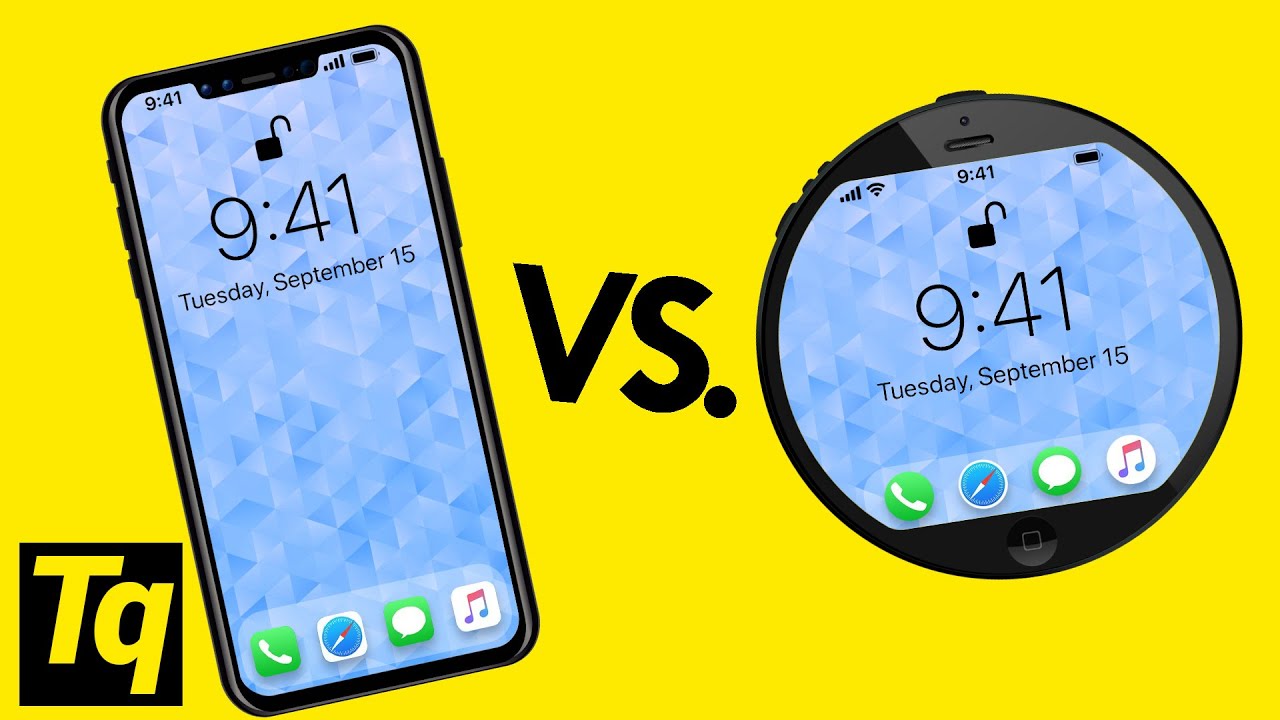
Why Are Phones All The Same Shape?
0 up · 0 down · 0 ratings
Promos
Learn through problem-solving, and the first 200 people can save 20% today on Brilliant at brilliant.org Why are phones virtually all rectangular instead of some other shape? Leave a reply with your requests for future episodes, or tweet them here: twitter.com ►GET MERCH: lttstore.com ►SUPPORT US ON FLOATPLANE: floatplane.com ►LTX EXPO: ltxexpo.com AFFILIATES & REFERRALS --------------------------------------------------- ►Affiliates, Sponsors & Referrals: lmg.gg ►Private Internet Access VPN: lmg.gg ►MK Keyboards: lmg.gg ►Nerd or Die Stream Overlays: lmg.gg ►NEEDforSEAT Gaming Chairs: lmg.gg ►Displate Metal Prints: lmg.gg ►Epic Games Store (LINUSMEDIAGROUP): lmg.gg ►Amazon Prime: lmg.gg ►Audible Free Trial: lmg.gg ►Our Gear on Amazon: geni.us FOLLOW US ELSEWHERE --------------------------------------------------- Twitter: twitter.com Facebook: @LinusTech Instagram: @linustech Twitch: twitch.tv FOLLOW OUR OTHER CHANNELS --------------------------------------------------- Linus Tech Tips: lmg.gg TechLinked: lmg.gg ShortCircuit: lmg.gg LMG Clips: lmg.gg Channel Super Fun: lmg.gg Carpool Critics: lmg.gg
The video traces the evolution of mobile phone shapes from early devices with physical keyboards and small screens to today’s predominantly flat rectangular smartphones. It explains that in the era of calls and texts, designers could freely experiment with layouts as long as a small display and input buttons were functional, which led to a wide variety of shapes and arrangements, including devices like BlackBerry with full keyboards. The arrival of the iPhone in 2007 shifted the design philosophy toward a touchscreen, do-it-all device, where a large display and app flexibility made it impractical to maintain hinges, sliders, or numerous physical buttons. The need for longer battery life, simpler internal mechanisms, and durability further reinforced the rectangular form, as a big flat slab better accommodates a unified display and battery while minimizing points of failure. The video notes that despite occasional attempts at novelty, such as foldable screens or edge-wrapped displays, manufacturers tend to converge on a rugged, rectangular shape due to manufacturing realities, user expectations, and the importance of reliability for high-end components like cameras and processors. In conclusion, the rectangular smartphone has persisted because it best balances functionality, durability, and mass production, with the occasional outlier serving as a niche proof of concept rather than a broad trend shift.
Topics · technology · mobile_devices · product_design
Questions answered
- Why have phones largely stayed rectangular since the iPhone era?
- Because a large touchscreen with software flexibility needs a simple, durable, space-efficient shape. A rectangular form accommodates a big display and battery while reducing hinges, moving parts, and potential failure Points, which makes production easier and devices more reliable.
- Have there been significant non-rectangular phones in the past?
- There were exceptions like phones with full keyboards such as BlackBerry, and niche or experimental designs like foldables. However, these did not become the dominant trend because they complicate reliability, manufacturing, and usability for media and apps.