Nvidia, Just Stop It
0 up · 0 down · 0 ratings
Promos
Jump start your career in Data Science & Analytics! If you’re one of the first 100 enrollments, you might even get a fully paid scholarship! Visit lmg.gg ► GET MERCH: lttstore.com ► GET EXCLUSIVE CONTENT ON FLOATPLANE: lmg.gg ► LISTEN TO THE TECH NEWS: lmg.gg ► SPONSORS, AFFILIATES, AND PARTNERS: lmg.gg ► OUR PODCAST GEAR: lmg.gg NEWS SOURCES: lmg.gg --------------------------------------------------- Timestamps: 0:00 Oops, James is a Highlander 0:13 U.S. hates Nvidia's China loopholes 1:29 PS Store removing TV shows from "owners" 2:40 Maybe why Sam Altman got fired 3:43 Turing College 4:13 QUICK BITS INTRO 4:23 Hackers accessed nuclear site 5:00 More Manifest V3 bad news 5:37 Amazon signs deal with SpaceX 6:11 Italian company loses rocket fuel 6:42 Kiss are now VTubers FOLLOW US ELSEWHERE --------------------------------------------------- Twitter: twitter.com Instagram: @TechLinkedYT Facebook: @TechLinked TikTok: @techlinkedyt
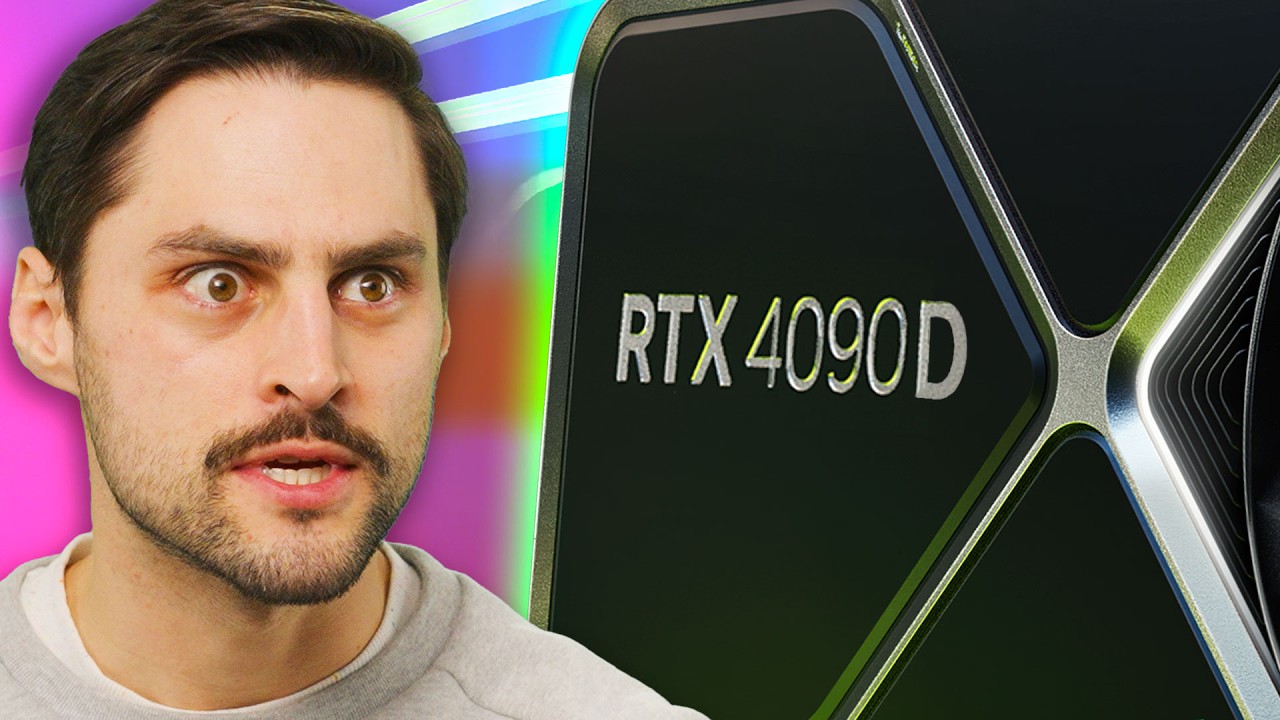
Nvidia, Just Stop It analyzes a recent wave of tech policy and corporate moves that ripple through hardware, software licensing, and digital rights. The host frames the discussion around U.S. export controls aimed at China and Nvidia's responses to those rules, noting Gina Raimondo and the Commerce Department signaling tougher enforcement and potential restrictions that could shape silicon supply for AI in the Chinese market. The segment details how Nvidia pivoted from shipping data center cards to China and Russia without licenses to creating specialized items for the Chinese market, including a tailored variant of the RTX 490 to bypass export limitations. The discussion then shifts to other tech stories in the same window, including Sony PlayStation’s removal of thousands of Discovery TV episodes due to licensing, and the broader implications of licensing over ownership for digital media. The presenters connect these licensing dynamics to a larger narrative about who truly owns digital content and what consumers pay for when purchases are licensed rather than owned. They also note OpenAI’s recent financing moves for AI chip production and reflect on boardroom dynamics at OpenAI, suggesting that leadership decisions can ripple into public trust and market behavior. In the program’s quick-bits section, the host highlights the ongoing conversations around ad blocking, browser security, and SpaceX and Amazon partnerships, illustrating how policy, privacy, and business decisions intersect in the tech ecosystem. The overall takeaway emphasizes a trend toward tightened control over who can access technology and digital media, and a call for clearer ownership rights in a landscape dominated by licenses, restrictions, and strategic corporate moves.
Topics · technology · ai · policy · digital-rights · cybersecurity · hardware
Questions answered
- Why are export controls on Nvidia important for AI development and global supply chains?
- Export controls limit where certain advanced chips can be sold or distributed, affecting AI development by restricting access to key hardware. Companies must obtain licenses to export these components to restricted regions, shaping where AI infrastructure can be built and how quickly innovations can scale globally.
- What happens when content is licensed rather than owned, as discussed with PS Store and Discovery content?
- When content is licensed, access can be revoked or altered by the licensor, or upon contract changes. Consumers may lose access to purchased items if licensing agreements expire or are renegotiated, which can feel like loss of ownership even after payment.