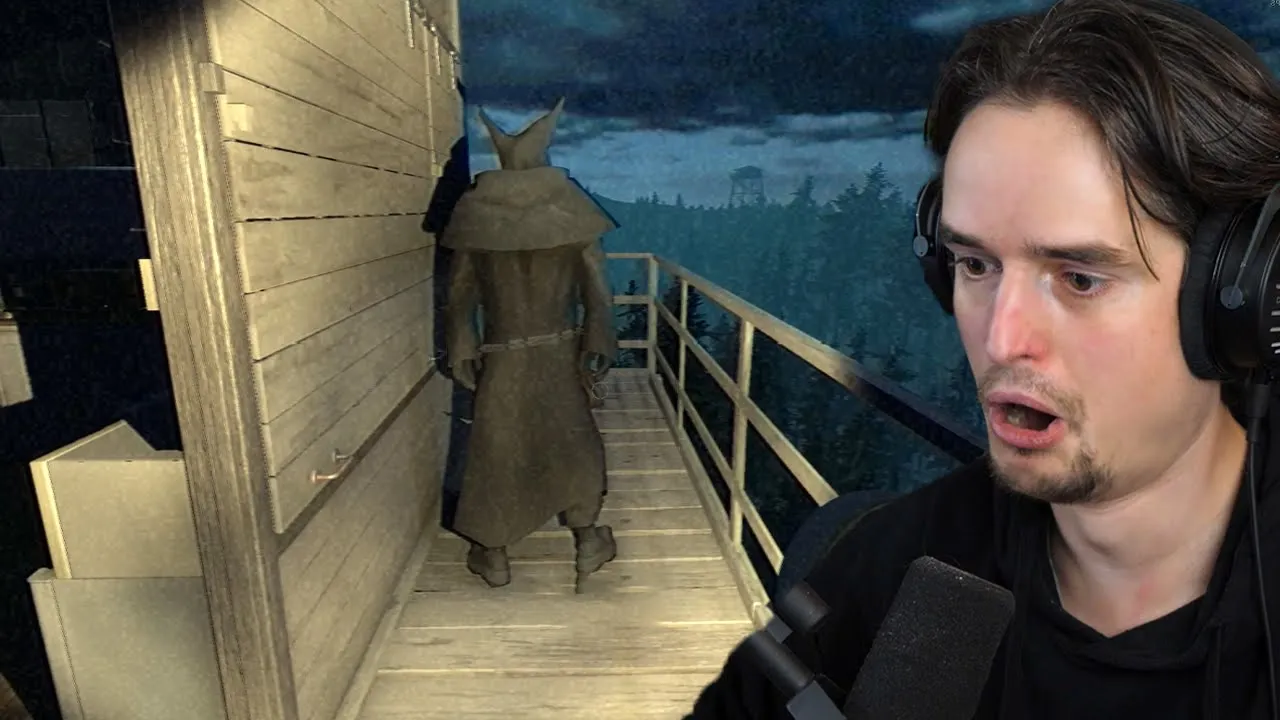
Groep cultisten veroorzaken chaos in het bos in Fears to Fathom Ironbark Lookout
0 up · 0 down · 0 ratings
Advisory
• Vorige aflevering: youtube.com • Volgende video: youtu.be -------------------------------------------------------------------------------- • Zakelijk: gamemeneer @bombersandlemonade.com -------------------------------------------------------------------------------- - Bedankt voor het abonneren: bit.ly - Livestreams: twitch.tv (Elke dinsdag & vrijdag/zaterdag om 20:00 een livestream) Instagram: @GameMeneer TikTok: @gamemeneer Twitter: twitter.com Facebook: @GameMeneer -------------------------------------------------------------------------------- Alle afspeellijsten: youtube.com -------------------------------------------------------------------------------- Dit is een video van GameMeneer. Mijn naam is Don en ik maak onder andere entertainment & gaming video's. Bijna dagelijks kan je video's van mij verwachten in zoetsappige 1080 HD kwaliteit. Ben je nieuw hier en wil je op de hoogte blijven van alles wat ik doe, dan kan je op de Abonneer-knop drukken. Muziek door: epidemicsound.com -------------------------------------------------------------------------------- Wettelijk gelul: Dit kanaal staat onder toezicht van het Commissariaat voor de Media.
In this long-form playthrough inspired by Fears to Fathom, we follow the life of a regional fire lookout named Jack Nelson who has recently been reassigned to Tower 11 at Iron Bark Lookout in a dense Pacific Northwest forest. The opening sequence establishes Jack’s mundane, solitary life, his struggle to afford comforts, and his sense of home in the RV that serves as his mobile sanctuary. He shares a mix of nostalgia and anxiety about the isolation, and we glimpse the stark routine of outpost work, including gear checks, weather reporting, and safety protocols that frame the rest of the story. Early dialogue introduces staff, a transfer, and a hint of danger lurking in the woods as Jack settles into the new routine. The training montage reveals the official responsibilities of a lookout, including monitoring fires, recording weather data, and maintaining order around hikers and campers. This groundwork sets up the tension between the orderly, methodical world of the lookout and the unpredictable, ominous forest beyond the tower. As the days unfold, we see Jack interact with fellow staff and local townsfolk in and around Roseberg, including an evening diner scene that underscores the contrast between civilization and wilderness. The lookouts are shown as both guardians and observers, tasked with keeping the park safe while dealing with the psychological strain of lone surveillance. The humor and humanity of the characters,ranging from Billy at the gate to Connor back at HQ,balance the creeping sense of unease that grows with each night shift. The dialogue hints at a darker history in the woods, including disappearances and rumors about haunted campsites, which gradually infect Jack’s perception of his own safety. The narrative presses forward with a mix of procedural detail and eerie, creeping dread as Jack begins to feel watched and increasingly paranoid. Night after night, the forest reveals its secrets through small but troubling incidents: an unlit generator, a suspicious campsite, and a mysterious, unseen presence that seems to press against the boundaries of Jack’s perception. The lookouts’ routine becomes a ritual of vigilance, as Jack and his colleagues exchange warnings about wildlife, campfires, and the fragility of the power system that keeps the lookout connected to the outside world. The tension escalates when Jack encounters a possible intruder or prankster masquerading as a park worker, raising questions about authority, trust, and the integrity of the chain of command. In parallel, the story threads in a more supernatural or mythic layer through rumors of cult-like activity, cryptic messages, and a haunting sense that the forest is alive with unseen forces. The plot thickens as Jack experiences a string of unnerving incidents: a late-night disturbance at the cabin, suspicious flashes of light, and the unsettling feeling of being watched from the trees. Communication with HQ becomes strained as equipment failures and miscommunications blur the line between real danger and psychological breakdown. A pivotal sequence centers on a lost camper asking for help, the tension of a night-time rescue, and the dawning realization that something is deeply wrong in the park. The narrative toggles between Jack’s first-person fear and the systematic world of the lookout, where data logs, weather reports, and radio chatter fail to capture the full danger creeping through the woods. The mood shifts from isolated dread to a creeping horror as the forest seems to close in around Tower 11. A major turning point occurs when a radio technician or staff member, Silus, reveals unsettling information and the possibility that another worker has been playing dangerous pranks or stalking the towers. The story intensifies with a late-night confrontation, a mysterious signal, and a chilling realization that someone has been infiltrating the lookouts, undermining the guardrails that keep the outposts safe. The tension peaks as evidence mounts, including a strange walkie-talkie exchange and a nighttime encounter that leaves Jack unsettled and exhausted. The plot then moves toward a frantic effort to document the anomalies, capture photos of suspicious activity, and alert headquarters about the possible breach in security. The overall arc blends investigative rigor with atmospheric dread, culminating in a choice between bravery and fear as the forest asserts itself as a character in its own right. By the end, the narrative leaves us with a hard-won sense of the stakes involved in lone watchfulness. Jack’s decision to document the anomalies, photograph key signs, and reach out to HQ underscores a commitment to truth even when the system seems stacked against him. The climactic sequence resolves some questions while leaving others open, suggesting that the woods hold both natural danger and human threats that can masquerade as routine. The final tone is one of wary acceptance: the forest will continue to hum with unknowns, and those who guard it must endure the isolation, the fear, and the weight of responsibility that comes with watching from Iron Bark Lookout.
Topics · gaming · storytelling · horror · indie · let's play · narrative-driven · survival
Questions answered
- What is the role of the narrator in Iron Bark Lookout
- The narrator, Jack Nelson, is a fire lookout who has been reassigned to Tower 11 at Iron Bark Lookout and provides a firsthand account of the routines, dangers, and strange events he experiences in the forest.
- What kind of threats are hinted at in the story
- The narrative hints at both natural hazards like fires and wildlife, and human threats including possible intruders, pranksters, and rumors of cult activity in the woods.
- How does the video balance atmosphere and information
- The video uses a mix of procedural details about lookout duties and vivid, eerie moments to build tension, interleaving dialogue with weather logs, radio chatter, and on-site observations.