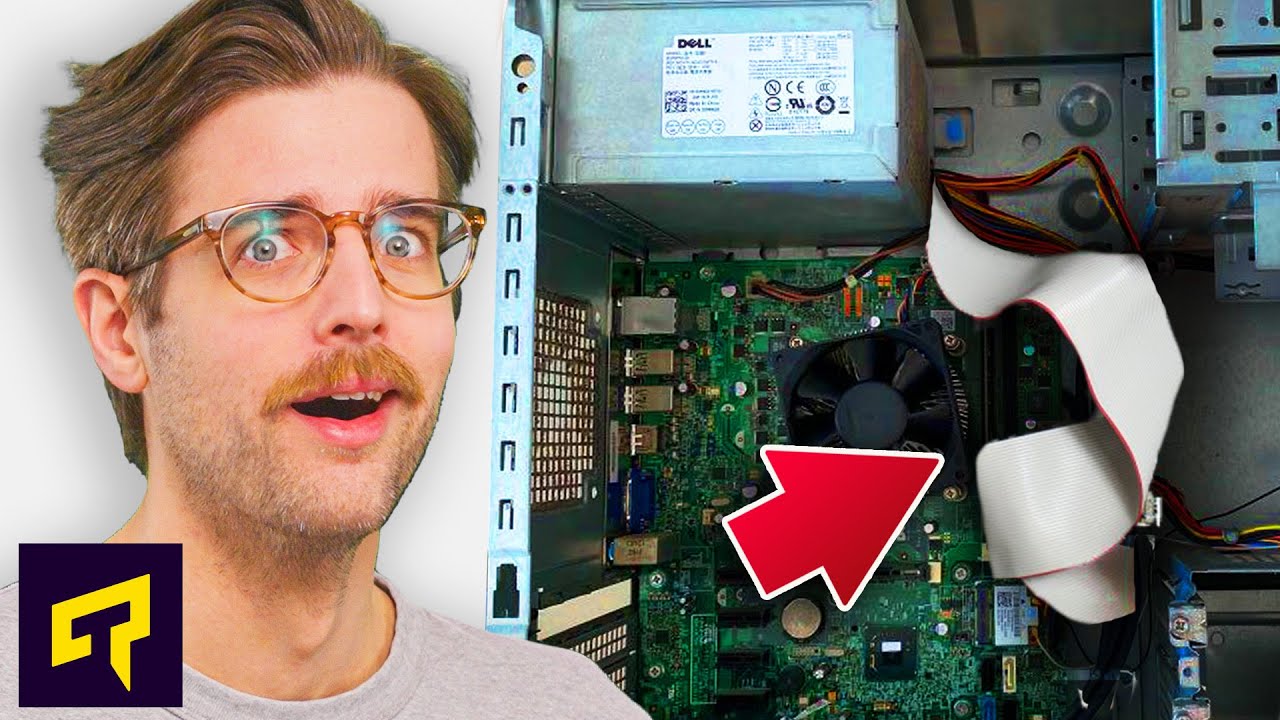
PC Cables used to be HUGE. Why?
0 up · 0 down · 0 ratings
Promos
Get 20% off DeleteMe US consumer plans when you go to joindeleteme.com and use promo code Techquickie at checkout. DeleteMe International Plans: international.joindeleteme.com Learn about those old gray PATA/IDE ribbon cables that were previously used to connect hard drives and CD-ROM drives. Leave a reply with your requests for future episodes. ► GET MERCH: lttstore.com ► GET EXCLUSIVE CONTENT ON FLOATPLANE: lmg.gg ► SPONSORS, AFFILIATES, AND PARTNERS: lmg.gg FOLLOW US ELSEWHERE --------------------------------------------------- Twitter: twitter.com Facebook: @LinusTech Instagram: @linustech TikTok: @linustech Twitch: twitch.tv
The video dives into the history of PC data cables, focusing on the old ATA or IDE ribbon cables that connected hard drives and optical drives before SATA. It explains how these parallel interfaces sent multiple bits at once through many conductors, which is why the cables contained 40 or 80 wires and required precise timing and grounding to minimize interference. The host contrasts these wide rectangular ribbon cables with the round, bulkier alternatives used for some configurations, addressing why manufacturers didn’t always favor round designs for better airflow or aesthetics. It highlights the proliferation of parallel data transfer, the necessity of master and slave drive designations, and the jumper settings that historically dictated device roles, which could feel finicky compared to modern plug-and-play SATA setups. The discussion then pivots to the transition to SATA’s serial design, explaining how sending data one bit at a time reduced interference and synchronization complexity, enabling higher effective speeds and simpler cabling. The video notes that PATA persisted into the early 2010s but was gradually displaced by SATA, while also acknowledging legacy options like controller cards that let old drives work with new systems. Finally, the host invites viewers to engage with the topic and teases future episodes, emphasizing the enduring nostalgia and curiosity around retro PC hardware.
Topics · technology · hardware · computing · history · storage
Questions answered
- Why were PATA IDE cables so wide and what problem did that solve?
- PATA IDE cables used many wires to carry multiple data bits in parallel, which allowed higher data transfer rates for the time but required careful timing and signaling to prevent cross talk and errors.
- What makes SATA faster and simpler than PATA?
- SATA is a serial interface, sending one bit at a time over a single data bus, which reduces interference and synchronization challenges, making higher speeds more feasible and cables smaller and easier to manage.