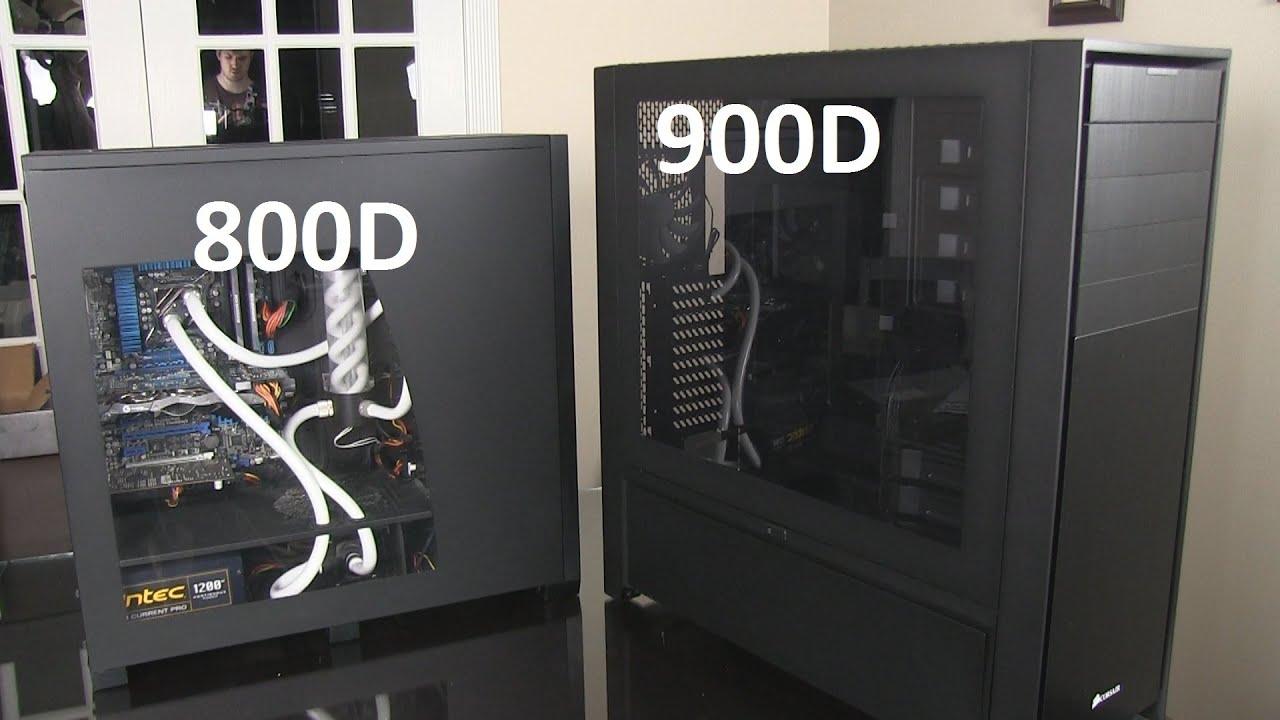
Corsair 900D Unboxing Ultimate Gaming Case
0 up · 0 down · 0 ratings
Channels and socials
Corsair's Obsidian 900D justfied a longer than usual video... This one is almost half an hour long, but it was necessary to cover all of the features of this enormous, sexy beast. twitter.com @LinusTech Buy it now at NCIX: ncix.com
The video opens with an unboxing of the Corsair Obsidian 900D, framed as the ultimate enthusiast case and a direct successor to the 800D. The presenter emphasizes how the 900D amplifies the design philosophy of its predecessor, focusing on expansive space and robust cooling potential. He notes the build quality, large window, and the persistent attention to thoughtful packaging and protective materials to prevent shipping damage. Early on, the host teases the heavy weight and the sheer size, hinting at the modular, feature-rich interior that will be explored in depth. The unboxing sequence proceeds with careful removal of multiple packing layers, underscoring the case’s premium presentation and the importance of protecting a premium product during transit. Throughout, the tone blends admiration for the aesthetics with a promise of a comprehensive tour of its internal layout, cooling options, and drive/PSU mounting approaches.
Topics · Technology · Computers · Hardware · Unboxing · PCComponents · ITIndustry
Questions answered
- What cooling and radiator options does the Corsair Obsidian 900D support without modification?
- The 900D can accommodate up to a quad 120 mm radiator across the top, a triple 120 mm radiator in the front, a dual 120 mm radiator on the other side, and an optional triple 140 mm or quad 120 in the top, plus a single 120 or 140 in the back, allowing up to five radiators total without modifications.
- What motherboard and board sizes are officially supported inside the 900D?
- The case supports ITX, MATX, ATX, XLATX, and even an HPTX board, with internal space to accommodate up to nine expansion slots and various configurations.