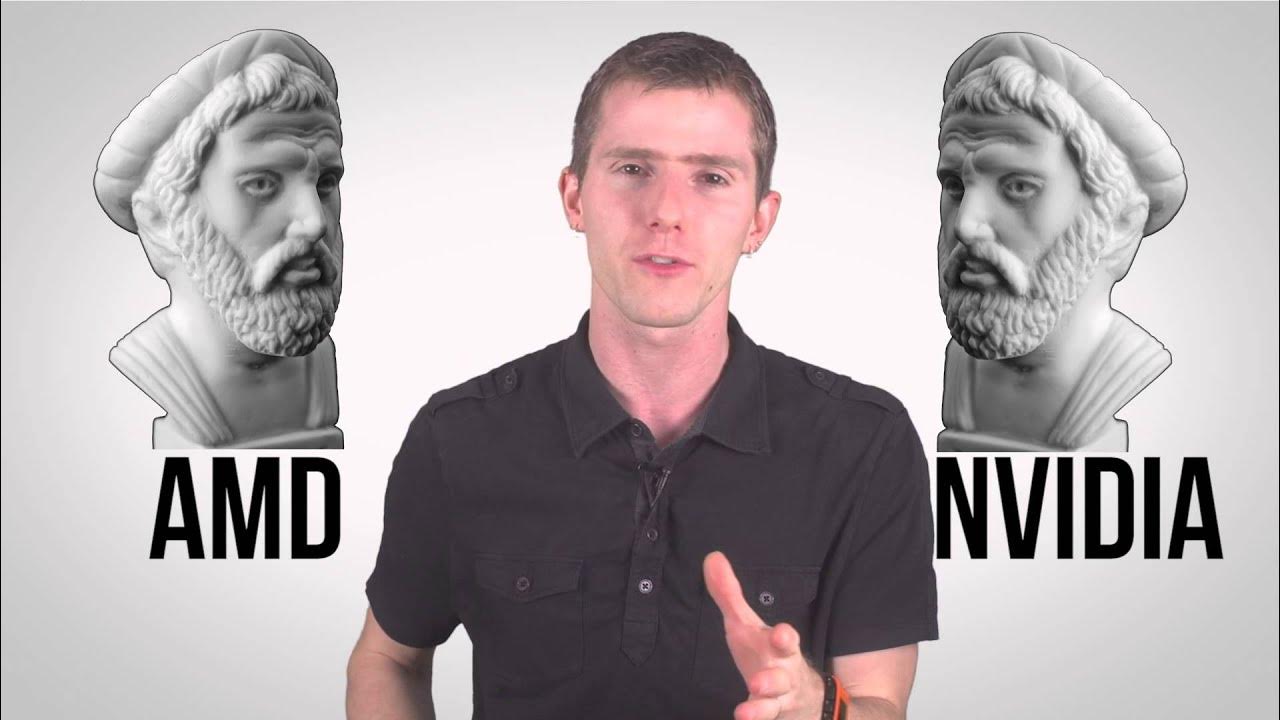
AMD Crossfire vs NVIDIA SLI as Fast As Possible
0 up · 0 down · 0 ratings
Promos
NVIDIA SLI technology can be confusing, but this video should help you understand the basics in just a few minutes! One thing I missed in the video (thanks Yoinkerman) is that SLI works in windowed mode, while Crossfire does not. Sponsor message: Give Shutterstock a try! Visit Shutterstock.com and get 25% off your account by using offer code TechQuickie214 Sponsor Link: shutterstock.com LinusTechTips forum link: linustechtips.com
The video explains the fundamental differences between AMD Crossfire and NVIDIA SLI, presenting the core philosophies behind each multi-GPU technology. It begins by framing both as methods to unlock higher performance by pairing graphics cards, allowing for smooth high-resolution gaming beyond what a single GPU can provide. The speaker describes how both systems can involve two to four compatible cards and emphasizes that performance gains are most noticeable in demanding titles and at higher resolutions, though benefits can depend on game profiles and driver support. A key differentiation point is compatibility rules: NVIDIA requires matching GPUs with identical memory configurations for SLI, and imposes licensing and PCIe slot requirements, whereas AMD Crossfire is described as looser, permitting mixed vendors, different clock speeds, and varying memory amounts as long as the GPUs belong to the same architectural family. The discussion then covers practical constraints such as the need for a compatible motherboard with PCIe slots and the licensing costs associated with SLI, contrasted with Crossfire's broader compatibility across product pages and boards. The analysis continues with ongoing work on how AMD handles communication between linked GPUs via the PCIe bus, and notes that AMD also supports Crossfire with certain low-end APUs that include onboard graphics. In summary, the host concludes that NVIDIA offers tighter control and consistency, while AMD provides flexibility and choice, highlighting that neither approach guarantees universal performance gains in every game. The video closes with a practical plug for stock imagery from Shutterstock and a call to engage with the channel for more tech content, while reiterating that the XBox One example was used for illustrative humor and not a literal performance claim. Overall, the video aims to help viewers understand when multi-GPU setups might be worth pursuing and what trade-offs to expect between the two ecosystems.
Topics · technology · hardware · graphics · pc_gaming
Questions answered
- What is the main architectural difference between AMD Crossfire and NVIDIA SLI according to the video?
- The video argues that NVIDIA SLI is tightly controlled and requires exact matching GPUs with identical memory configurations and licensing, whereas AMD Crossfire is more flexible, allowing mixed vendors, different clock speeds, memory amounts, and even different GPUs within the same architectural family.
- Can Crossfire work with AMD APUs that include onboard graphics?
- Yes, the video notes that AMD allows Crossfire to run with onboard graphics of their APUs for low-end cards, though it may require additional work and is not always the best option.