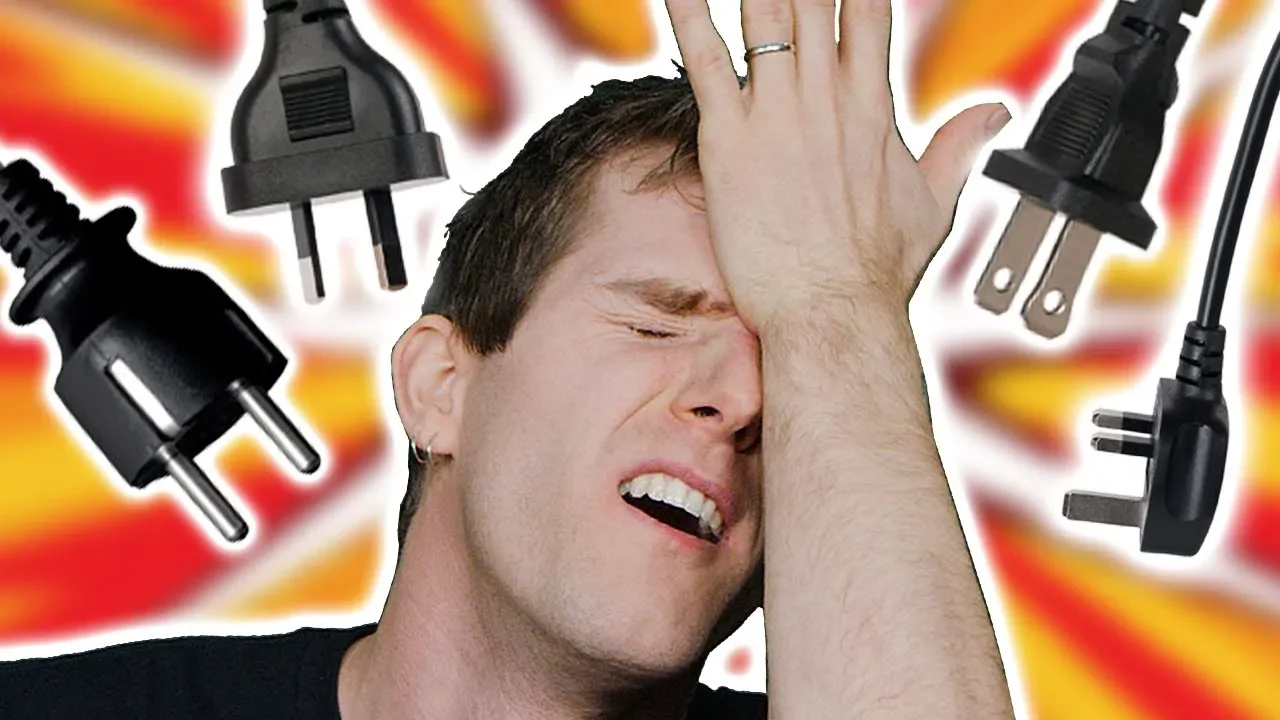
Power Outlets PISS ME OFF [RANT]
0 up · 0 down · 0 ratings
Promos
Learn more about Storyblocks Video at storyblocks.com Why are electrical sockets different around the world? Buy Power Outlet Adapter On Amazon (PAID LINK): geni.us On Newegg (PAID LINK): geni.us Techquickie Merch Store: lttstore.com Follow: twitter.com Join the community: linustechtips.com Leave a reply with your requests for future episodes, or tweet them here: twitter.com
Power Outlets PISS ME OFF [RANT] is a fast paced tech rant that uses a travel and world connectivity angle to vent about electric outlet standards. The video opens with the host lamenting the burden of carrying bulky international adapters every time they travel, tying this friction to airline hassles and baggage costs. They point out that even though air travel is highly coordinated across nations, power plugs still vary widely and have many shapes, 110V versus 220-240V differences, and the lack of a universal standard. The host notes that North American plugs date back to 1912, suggesting a century of missed opportunities for standardization, and then pivots to the practical annoyances of plug design, such as wrong-way insertion and the risk of shocks. Throughout, the tone blends sarcasm with concrete examples, including brief references to historical efforts and the safety features some countries adopted to improve protection. The narrative then critiques how political and historical events shaped electrical standards, arguing that it would be simpler to agree on a single plug and outlet type. The host playfully imagines a future with universal wireless energy transfer, while also acknowledging the current reality of needing adapters before boarding planes. The video closes with a plug to Storyblocks for B-roll resources and a light call to action for viewers to engage, subscribe, and share future ideas. Overall, the piece uses a mix of humor, factual tidbits, and practical travel pain points to explore why a universal power standard has not emerged and what that means for everyday users. In a second paragraph, the host dives into the balance between historical context and modern practicality. They explain how early electrical usage rose in different ways across countries, with some deliberately deviating toward safer, less exposed designs. The discussion then turns technical but accessible, noting that a working outlet essentially requires conductors and safety grounds, and that the exact shape is less critical than the presence of safety features. The speaker contrasts the ease of modern devices with the complexity of legacy outlets, and questions whether the world would really suffer to retrofit everything for a single standard. The rant keeps a humorous undertone by teasing the idea of traveling to the United States for ease of use, and it ends by tying the topic to everyday experiences like flight, seating, and in-flight charging. The overall takeaway is a call for improved coordination or at least greater awareness of why adapters remain a necessity for travelers. The video balances mild educational content with biting humor, leaving readers with a memorable stance on why power plugs are still a source of global frustration.
Topics · technology · travel
Questions answered
- Why do power outlets differ so much across countries?
- Outlets differ due to historical development, safety considerations, and local electrical standards. Early designs evolved separately, with some regions prioritizing safety features that reduce exposed conductors. This historical divergence led to ongoing compatibility issues and a persistent need for adapters.
- Is universal wireless power transfer a realistic near-term solution?
- Wireless power transfer is a promising area but not a complete replacement for traditional outlets in the near term. Practical deployment would require new standards, infrastructure, and device compatibility, so adapters will remain common for travel and existing devices for the foreseeable future.