The State of 4K: Early 2014!
0 up · 0 down · 0 ratings
Channels and socials
4K Resolution, Video and Gaming in Early 2014! 4K Cameras at CES 2014: youtu.be The featured TCL 4K TV: amzn.to Asus PQ321Q 4K Monitor: amzn.to This video is 100% inspired by SoldierKnowsbest's from earlier this year. Give it a click. Watch it. Subscribe to him. He's the man! youtu.be Video Gear I use: amzn.com Intro/Outro Track: Deadmau5 - Slow Down, Start Over ~ twitter.com google.com @MarquesBrownlee @MKBHD @MKBHD
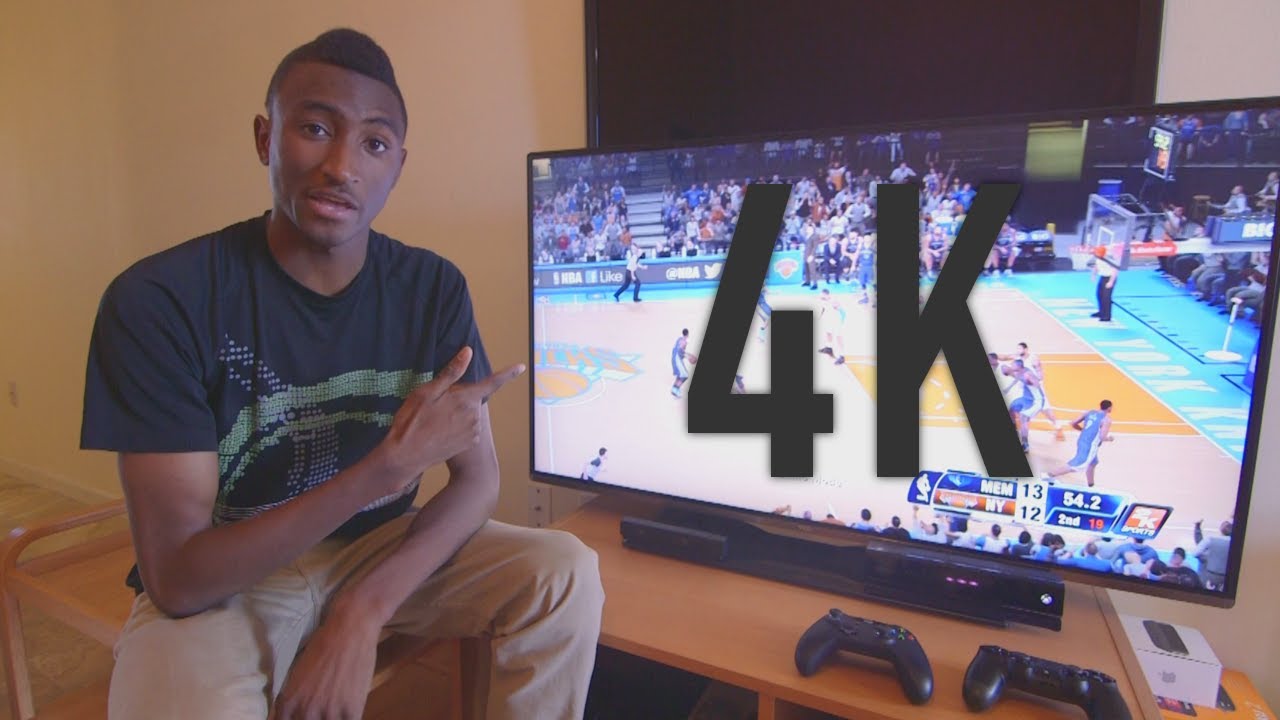
The video examines the state of 4K technology as of February 2014, spotlighting how far 4K has come while also highlighting its current limitations. Marques Brownlee starts by pointing to a Panasonic 4K Toughpad demo at CES and notes that while the display itself is stunning with dense pixels and vivid detail, real-world adoption is hampered by the lack of native 4K content and the heavy processing requirements needed for 4K shooting, encoding, and playback. He uses the 4K TV setup featuring PlayStation 4, Xbox One, and Apple TV to illustrate that none of these consumer devices could output native 4K through HDMI at that time, leaving most experiences effectively 1080p. The discussion then turns to 4K desktop displays like the ASUS PQ321Q, showing how 4K can look on a big screen when connected to a capable system, yet also revealing how limited OS scaling makes interface elements appear very small. Across the narration, the presenter repeatedly emphasizes that 4K delivers exceptional detail and clarity, but the ecosystem for widespread 4K use,cameras, processing hardware, distribution, and displays,remains in early stages. He concludes that 4K is gaining momentum, driven by CES showcases and growing consumer interest, and predicts that 2014 would mark a shift from 1080p as the standard to increasing 4K adoption, despite the current bottlenecks. The overall tone blends enthusiasm for the pixel level improvements with a pragmatic acknowledgment of the hurdles that still prevent universal 4K enjoyment, while encouraging viewers to stay tuned for more developments. The video ends with a forward-looking note about anticipating more 4K devices and content in the near future, inviting viewers to share the video if they enjoyed the analysis.
Topics · technology · display-technology · consumer-electronics
Questions answered
- Why was 4K not widely adopted in 2014 despite the high resolution?
- Because shooting, processing, encoding, and displaying 4K required expensive, powerful cameras and systems, and consumer devices at the time could not output native 4K over HDMI, limiting practical 4K experiences.
- How does 4K compare to 1080p on a per-screen basis?
- 4K has four times the pixel density of 1080p on the same screen size, resulting in significantly sharper detail and a more pronounced retina-like clarity that makes 1080p appear less sharp by comparison.