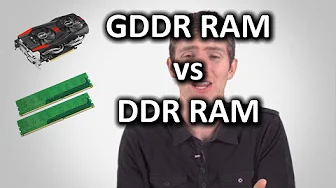
DDR Memory vs GDDR Memory as Fast As Possible
0 up · 0 down · 0 ratings
Promos
GDDR RAM (for graphics cards) and DDR RAM (for computers) are SIMILAR, but also quite different from each other. This video explains the difference in just a few minutes! Sponsor message: Give Shutterstock a try! Visit Shutterstock.com and get 25% off your account by using offer code TechQuickie214 Sponsor Link: shutterstock.com
DDR Memory versus GDDR memory is explained with a focus on practical differences and the contexts in which each type is used. The video clarifies a common misconception that generational numbering directly translates between DDR and GDDR families, noting that GDDR generations (for graphics memory) and DDR generations (for system memory) are largely independent. It explains that CPUs interact with system memory while GPUs interact with their own memory via PCI Express, so the memory type compatibility between a CPU and a graphics card does not constrain either component. The host also discusses why video memory is typically faster and more bandwidth-oriented than system memory, highlighting the importance of latency and granularity for everyday tasks versus the large data transfers required by graphics work and gaming. The presenter emphasizes the “horses for courses” idea, suggesting memory should be specialized for its application and not forced to cross over to the other subsystem. The segment concludes with a light sponsor break and a recap that DDR and GDDR serve different purposes, and that understanding their distinct roles helps users answer common questions about RAM upgrades and compatibility.
Topics · computer_hardware · science_and_technology · education · memory
Questions answered
- What is the main difference between DDR and GDDR memory in terms of usage?
- DDR memory is system memory for the CPU, optimized for low latency and frequent small transfers, while GDDR memory is graphics memory for GPUs, optimized for high bandwidth and large data transfers.
- Do CPUs and GPUs share memory types or affect each other’s memory choices?
- No, CPUs access system memory and GPUs access their own graphics memory independently, and they communicate through interfaces like PCI Express.