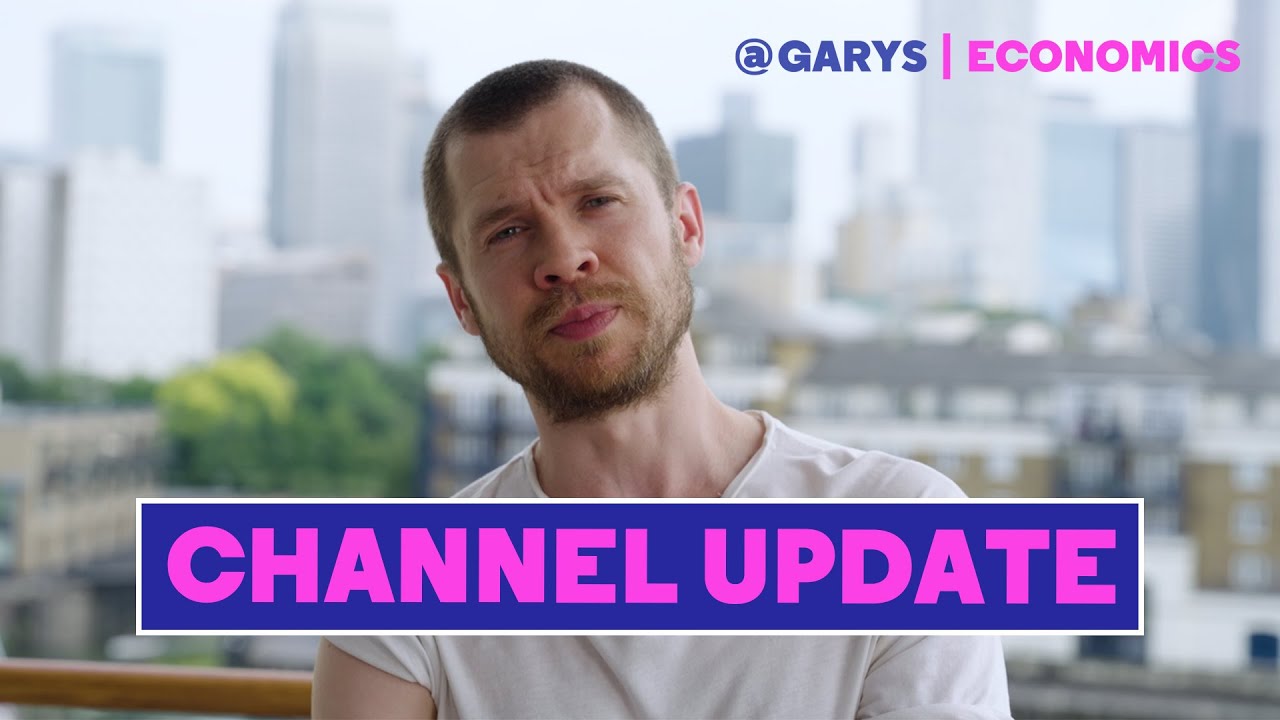
What's next for me and this channel?
0 up · 0 down · 0 ratings
Channels and socials
An update from Gary. UNDERSTAND, SHARE & PUSH BACK WEBSITE - garyseconomics.org TWITTER - twitter.com FACEBOOK - @garyseconomics INSTAGRAM - @garyseconomics TIKTOK - @garyseconomics YOUTUBE - youtube.com PATREON - patreon.com DISCORD - discord.gg BLUESKY - bsky.app SUBSCRIBE, SHARE & START A CONVERSATION Performed by Gary Stevenson @garyseconomics
Gary opens the video by noting he is recording as he heads on holiday, planning a retrospective look at a year that has seen rapid channel growth. He highlights subscriber growth from about 80,000 to roughly 275,000, and mentions momentum across Instagram and TikTok, crediting viewer support and his team for driving the expansion. He reiterates the channel’s core mission: to bridge inequality and the economy, arguing that inequality is not a necessary sacrifice for a healthy economy and that the channel has helped bring attention to how real-life struggles with housing, rent, and food connect to widening inequality. He shares that a charitable foundation in London funded some professionals to help with production and strategy, and notes growing public recognition of inequality as a real driver of poverty. Gary stresses that while progress is evident, the issue is far from solved and mainstream political discourse still underrepresents wealth inequality. He reflects on pushback and the need to keep pressing for policy changes, including wealth taxation, while acknowledging the ongoing challenge of reaching a broader audience. In the second block, Gary discusses media engagement and the role of public attention in advancing the message. He describes a recent incident where a caller highlighted the Covid-19 deficit and the distribution of wealth, which he views as evidence that their messaging is cutting through. He explains that mainstream coverage often omits wealth inequality from broad political debates, a gap he attributes to both media narratives and the influence of wealthy economists. The speaker emphasizes that the channel’s growth has not only broadened reach but also increased scrutiny from powerful interests, including negative publicity and questions about sources. He notes the importance of maintaining a constructive, evidence-based approach while continuing to push for structural changes like wealth taxes to avert further declines in living standards. He adds that immigration is a political wildcard that could distract from inequality, and he argues for keeping the focus on how wealth concentration shapes economic outcomes for ordinary people. Gary then shares personal and professional pressures from the past year, including publishing a bestselling book, expanding media appearances, and managing a growing public profile. He describes the exhausting pace of interviews, press inquiries, and the continual need to communicate complex economic ideas to a broad audience. He explains that public visibility has brought both opportunities and tensions, such as concern about dirt-digging inquiries and the stress of media scrutiny. He argues that sustaining the movement will require more organizational support, including potentially opening a not-for-profit and a Patreon to hire staff, invest in longer and more varied formats, and separate finances from his personal income. Finally, he previews a planned break to recharge creatively, with pre-recorded content in the pipeline and a strategy to return with stronger, more diverse output before resuming weekly video production. In the final segment, Gary outlines a concrete plan for the channel’s evolution post-break. He discusses external funding considerations, the need to structure finances to fund growth, and the possibility of bringing in non-economist experts to broaden perspectives. He emphasizes that sustaining momentum will require a more formal funding mechanism to hire staff, support production, and maintain consistent posting while avoiding overreliance on his personal finances. He reinforces a commitment to not let the funding approach alter the core message, promising to keep content accessible without paywalls. Gary closes with gratitude to supporters and a hopeful outlook that continued attention to inequality can lead to meaningful policy discussions and, ultimately, policy action.”
Topics · economics · inequality · politics · media · activism
Questions answered
- What major milestones did Gary highlight for the channel this year?
- Gary noted subscriber growth from about 80,000 to roughly 275,000, expanded reach on Instagram and TikTok, and recognition of the channel as a bridge between inequality and the economy.
- What funding changes did Gary consider to support future growth?
- Gary discussed opening a not-for-profit structure and a Patreon to fund staff, increase production capacity, and separate finances from personal income while maintaining the channel’s message.
- What challenge does Gary identify as potentially overshadowing inequality in public discourse?
- Gary warns that immigration rhetoric can overshadow the inequality narrative, potentially weakening the case for policy changes like wealth taxation.