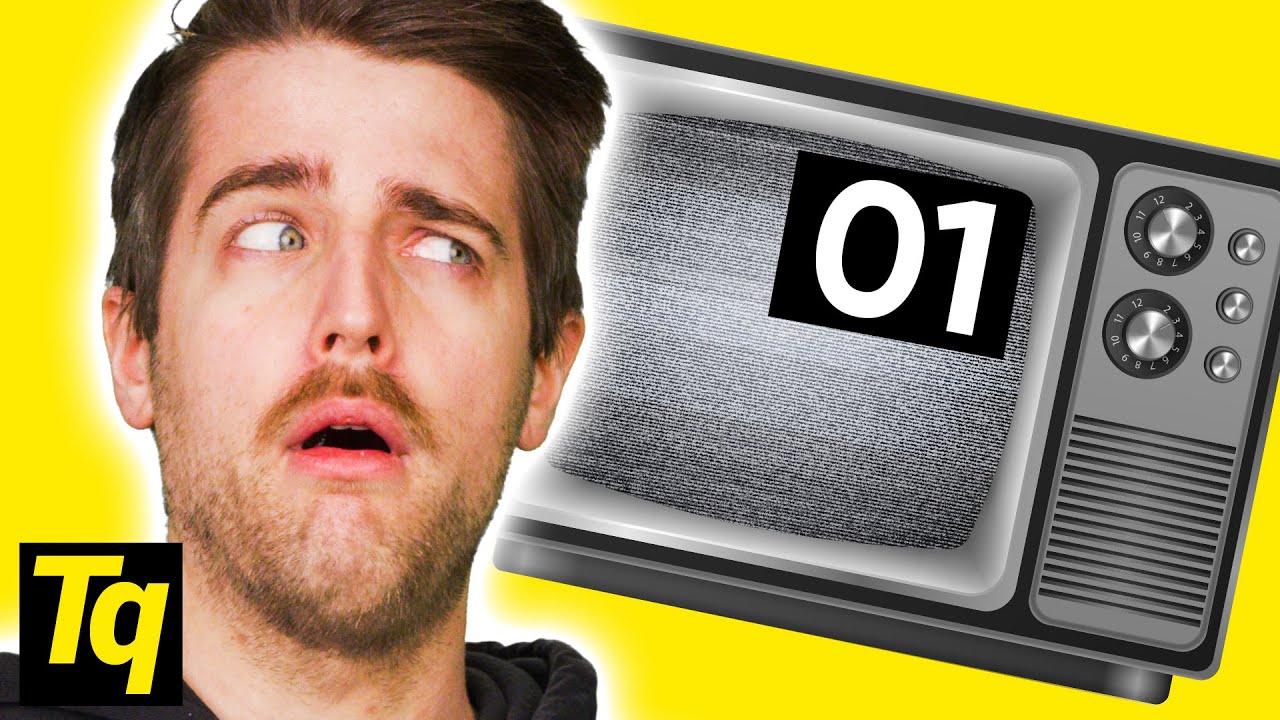
Why There's No Channel One in America
0 up · 0 down · 0 ratings
Promos
Sign up for Private Internet Access VPN at lmg.gg What happened to channel one on your TV? Leave a reply with your requests for future episodes, or tweet them here: twitter.com Buy a TV On Amazon (PAID LINK): geni.us GET MERCH: lttstore.com SUPPORT US ON FLOATPLANE: floatplane.com LTX EXPO: ltxexpo.com AFFILIATES & REFERRALS --------------------------------------------------- Affiliates, Sponsors & Referrals: lmg.gg Get Private Internet Access VPN at lmg.gg Get a Displate Metal Print at lmg.gg Support a Creator code LINUSMEDIAGROUP on Epic Games Store: lmg.gg Get a 30-day free trial of Amazon Prime at lmg.gg Our Test Benches on Amazon: lmg.gg Our Production Gear: lmg.gg FOLLOW US ELSEWHERE --------------------------------------------------- Twitter: twitter.com Facebook: @LinusTech Instagram: @linustech Twitch: twitch.tv FOLLOW OUR OTHER CHANNELS --------------------------------------------------- Linus Tech Tips: lmg.gg TechLinked: lmg.gg ShortCircuit: lmg.gg LMG Clips: lmg.gg Channel Super Fun: lmg.gg Carpool Critics: lmg.gg
The video explains why there is no Channel One in the United States by tracing the early history of television channel allocation. It starts with the 1940s regulatory framework where the FCC assigned frequencies to channels, noting Channel One occupied a range between 50 and 56 megahertz, below FM radio. It describes how, after World War II, demand for spectrum increased and the FCC reduced the total number of channels available for television from 18 to 13 in 1946, with Channel One being shifted to a lower frequency to reserve spectrum for low‑power community television. The narrative emphasizes that Channel One survived the initial purge only to be deprioritized and eventually axed as the spectrum was reallocated primarily to radio and major broadcasting needs, leaving Channel One as a historical footnote and a nonstandard option for modern cable and digital TV. The host notes that analog and digital transitions did not reinstate a universal Channel One, although some providers repurpose the number for on‑demand content or local news networks, such as Spectrum in New York. The segment also briefly plugs a sponsor before closing with a prompt for viewer questions and future topics for the show.
Topics · technology · history · broadcasting