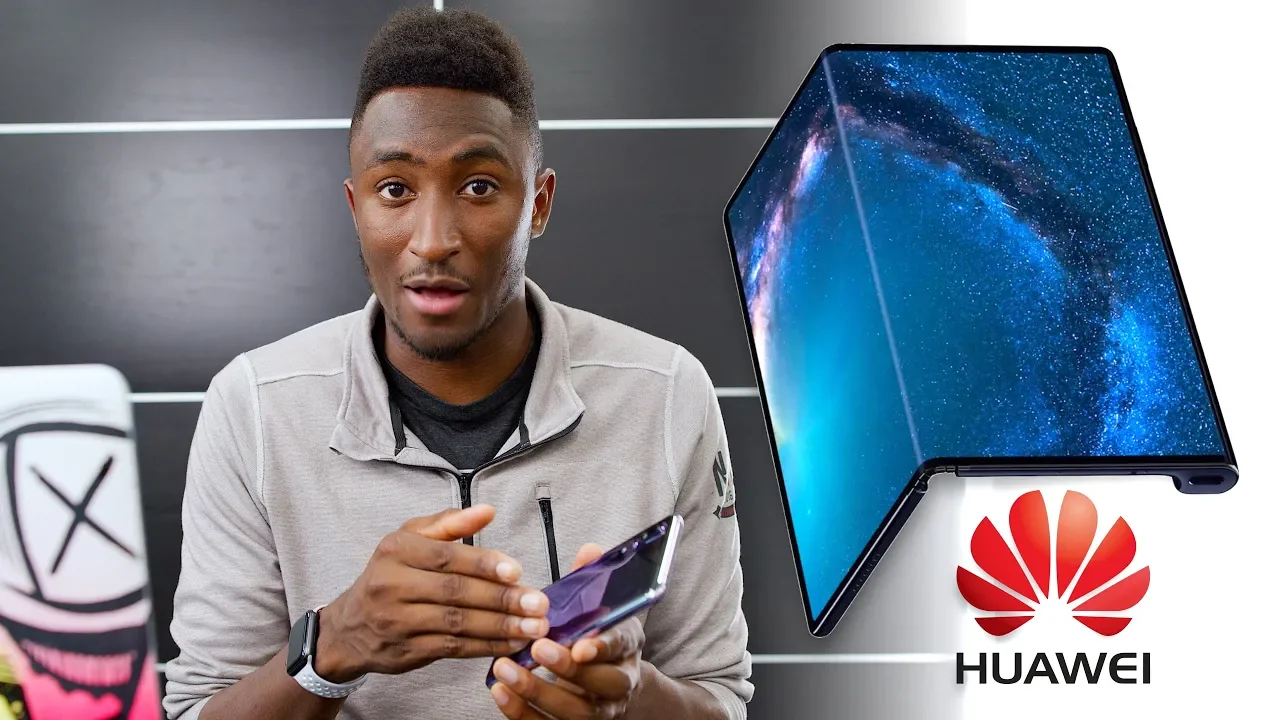
The Huawei Ban: Explained!
0 up · 0 down · 0 ratings
Promos
Huawei flagships without Google or Android? This is everything you need to know. Fingers crossed Huawei can resolve things. For the sake of competition. Sources: cnbc.com xda-developers.com twitter.com theverge.com arstechnica.com arstechnica.com bloomberg.com MKBHD Merch: shop.mkbhd.com Video Gear I use: kit.com Tech I'm using right now: amazon.com Intro Track: Match by Alltta Playlist of MKBHD Intro music: goo.gl ~ twitter.com @MKBHD @MKBHD
The Huawei Ban: Explained! begins by laying out the core actors and context behind the US government’s decision to add Huawei to a restricted list, explaining that this is not just a simple tech hiccup but a politically charged move within a broader US-China trade conflict. The video clarifies that Huawei, a massive player in networking gear and smartphones, found itself cut off from Google due to the executive order, which prohibits US companies from doing business with Huawei. It then details the immediate consequence: Google pulled the Android license and all related services from Huawei, meaning current and future Huawei devices would face significant limitations in software updates and access to essential apps and services. The host emphasizes that Huawei was already navigating a climate of security concerns and trade tensions, and that the 90-day exemptions provide only a temporary respite for existing devices while the company weighs alternatives for its future products. Moving into the potential futures, the video analyzes Huawei’s options after the 90-day window. It notes Huawei’s scale and its internal R&D efforts, including its own Kirin processors and the possibility of stockpiling components. The discussion covers both hardware and software challenges: replacing US suppliers with alternatives is technically feasible but expensive, and replacing Google’s services and the Android ecosystem is far more daunting. The host outlines two parallel tracks Huawei could pursue: (1) build a fully independent hardware and software stack, potentially adopting a stock Android base or a homegrown OS with its own app store, and (2) attempt to re-engage with US policy to ease restrictions. The video stresses that even if Huawei can keep manufacturing devices, the lack of Google services and Play Store creates a substantial barrier to consumer adoption and brand trust, especially in markets accustomed to Google’s ecosystem. In conclusion, the video argues that the ban will likely push Huawei to accelerate diversification of its supply chain and software strategy, but it also reflects on the broader implications for competition and innovation in the mobile industry. The host expresses cautious optimism that competition remains essential for consumer benefits, while acknowledging that a prolonged restriction could reshape how global customers perceive and choose smartphones. The piece closes by noting that the situation is evolving, and directs viewers to follow the supplied sources for ongoing updates, inviting them to share the video with others trying to understand the complex dynamics at play.
Topics · technology policy · smartphones · global trade · digital economy · telecommunications · consumer electronics
Questions answered
- Why did the United States place Huawei on a restricted list and what exactly does that mean for Huawei devices?
- The US government issued an executive order that restricted Huawei from doing business with US companies, which led Google to suspend its Android license and services for Huawei. For Huawei devices, this means existing phones can receive software updates for a 90 day period while new devices would not have Google services or Android licenses, complicating future software and app availability.
- Can Huawei continue making smartphones without Google services, and what are the main obstacles?
- Huawei can technically continue making phones, but without Google services and the Play Store, consumer adoption becomes difficult. Huawei would need to use an open source Android base or a Huawei OS with its own app store, but attracting developers and securing essential apps like Netflix or social media platforms would be a major challenge.
- What are Huawei’s potential strategies to survive this ban in the long term?
- Huawei could build a replacement OS and app ecosystem, diversify suppliers away from US components, and stockpile critical hardware. They might also try to renegotiate or reverse the restrictions through policy channels in hopes of reinstating US access, while leveraging internal innovation to reduce reliance on US tech.