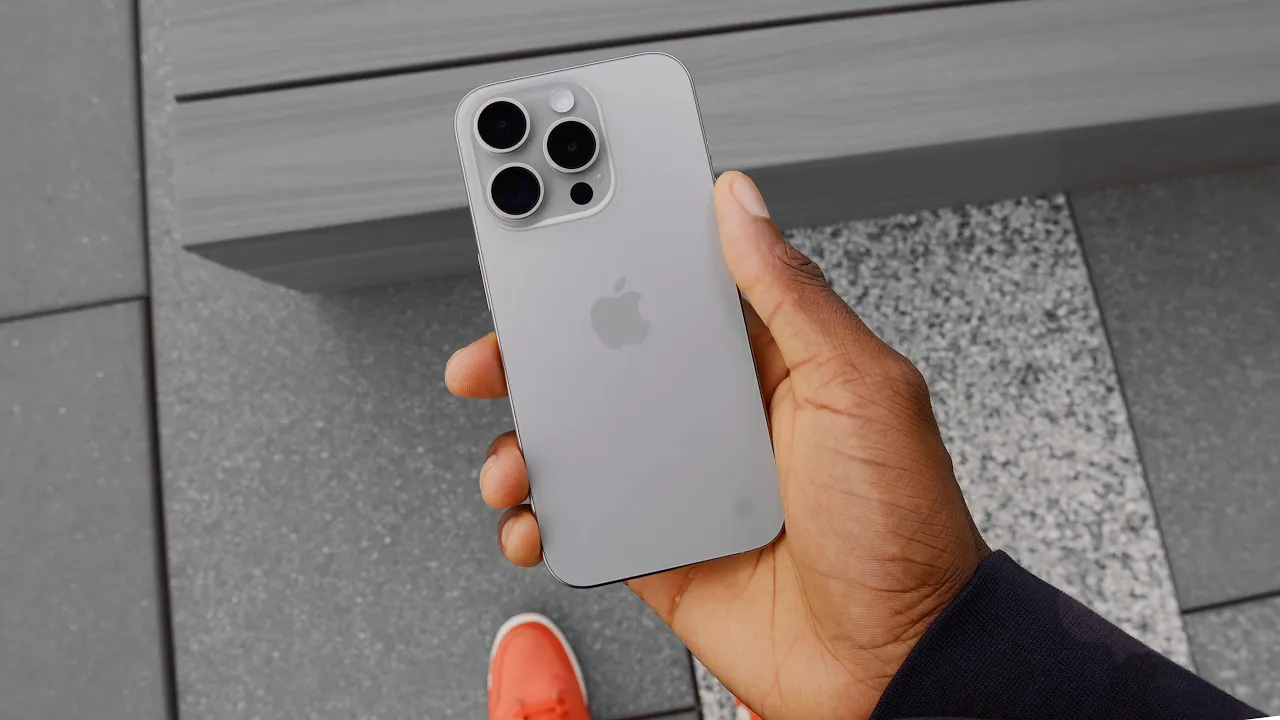
Is the iPhone "Illegal?"
0 up · 0 down · 0 ratings
Promos
The US sued Apple for the iPhone being a monopoly... is the walled garden illegal? Get a hydro dip dbrand skin at dbrand.com Blue Bubbles vs Green Bubbles: youtu.be The 88-page pdf: justice.gov MKBHD Merch: shop.mkbhd.com Tech I'm using right now: amazon.com Intro Track: Logic logic.lnk.to Playlist of MKBHD Intro music: goo.gl ~ twitter.com @MKBHD @MKBHD
Is the iPhone illegal or is Apple simply exercising its market power within a highly integrated ecosystem? The video opens with a simplified primer on vertical integration, contrasting a camera lens, headphones, and a smartwatch that work only with their own company’s devices with the possibility that a similar setup could be illegal. The host frames the topic as a developing legal story about the US Department of Justice suing Apple for monopoly concerns centered on the iPhone. He emphasizes that public facing statements from large tech firms often mask a deeper, strategic rationale, and he cautions that the legal landscape will be complex for years to come. The discussion then pivots to the concept of a walled garden, using the iPhone and Apple Watch as a case study. It is highlighted how deep the integration goes, and how it creates practical barriers to switching away from Apple even when other ecosystems offer competitive hardware features. The video presents the core tension: individual product performance versus broader ecosystem lock-in, and whether the practices amount to illegal anti-competitive behavior or a justified business strategy that is hard to replicate in other markets. The host acknowledges that some practices may be legal while others raise concerns about consumer choice and market dynamics, and he notes that the DOJ’s 88-page PDF serves as a reference point for the arguments involved. The narrative then expands to concrete examples, such as the iPhone Watch integration and the iMessage versus SMS dynamic, arguing that these are emblematic of a broader strategy to keep users within a single ecosystem. Concrete benefits are weighed against the costs of reduced interoperability with rival devices, including limited cross-compatibility of health features, notifications, and messaging capabilities. The discussion also touches on the broader competitive landscape, mentioning alternatives like Android devices and the absence of similar lock-in for other platforms, such as Garmin’s smartwatch compatibility and the potential rollout of new messaging standards. The host concludes that while each individual tactic might not be illegal on its own, the aggregate effect of a dominant ecosystem could justify regulatory scrutiny to reduce barriers to competition and spur innovation. A closing note previews ongoing coverage and invites viewers to explore linked sources for more in-depth analysis, while the host also promotes a sponsor and provides product context, underscoring the balance between informative analysis and monetization.
Topics · technology · policy · business · science_and_tech
Questions answered
- What is the core issue the DOJ has with Apple's iPhone ecosystem?
- The core issue is whether Apple’s ecosystem creates an illegal monopoly by using a walled garden approach that makes it hard for users to switch to competitors while maintaining a suite of integrated services and devices.
- Why is iMessage considered a major barrier to switching away from Apple?
- iMessage helps create a seamless, feature-rich messaging experience on iPhone that is not fully available on Android, encouraging users to stay within the Apple ecosystem.
- Are all of Apple's practices illegal or only some aspects?
- The video argues that while some practices may be legal in isolation, the combination of steps creating ecosystem lock-in could raise regulatory concerns about anti-competitive behavior.