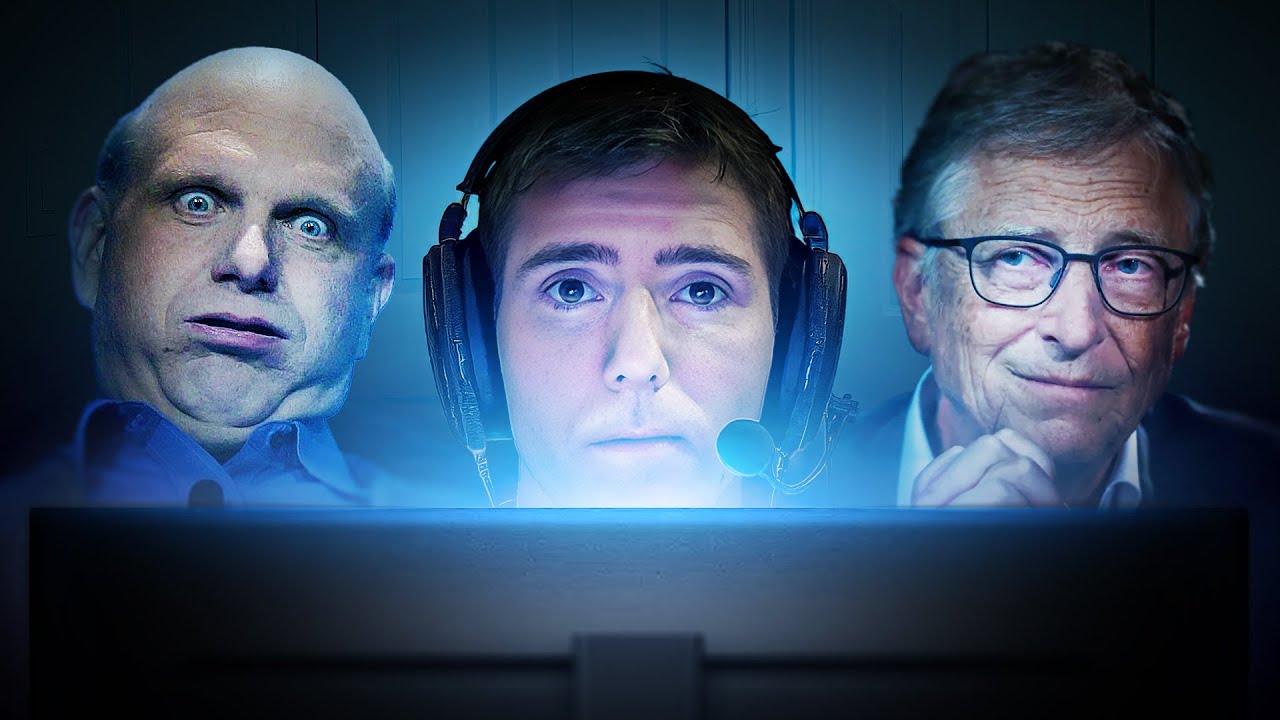
Microsoft "Fixed" Windows Recall… I DISAGREE!
0 up · 0 down · 0 ratings
Promos
Get 20% off DeleteMe US consumer plans when you go to joindeleteme.com and use promo code LTT20 at checkout. DeleteMe International Plans: international.joindeleteme.com The controversial Windows Recall feature is back after a significant delay. But did Microsoft take the time to address the problems, or were they just waiting for us to forget how dangerous it is? Discuss on the forum: linustechtips.com ► GET OUR MERCH: lttstore.com ► GET EXCLUSIVE CONTENT ON FLOATPLANE: lmg.gg ► GET A VPN: piavpn.com ► SPONSORS, AFFILIATES, AND PARTNERS: lmg.gg Purchases made through some store links may provide some compensation to Linus Media Group. CHAPTERS --------------------------------------------------- 0:00 Intro 2:00 I Don't Recall 3:00 Let's Compare 9:54 TLDR? 10:29 There's More! 13:03 Betrayed by Grandma 15:34 Credits
The video revisits the controversial Windows Recall feature that Microsoft first piloted last year, analyzing whether the recall tool has genuinely improved or if risks remain. The host lays out the original concept: Recall takes periodic screenshots of on-screen activity, runs OCR and image analysis via AI, and stores results in a local database to enable quick searches. The segment then contrasts the initial rollout with the current iteration, noting that Recall is now opt-in rather than enabled by default, which the host views as a meaningful shift. However, the host warns that other issues persist, including questions about how data is encrypted, who can access it, and how recall interacts with other apps and services. This sets up a careful balance between recognizing improvements and questioning whether the solution adequately protects user privacy and controls. The discussion moves into a practical, side-by-side evaluation using two machines: a newly configured recall-enabled PC and an older setup, demonstrating what has changed in terms of defaults, encryption claims, and data handling. The host ultimately concludes that while improvements are real, they are not sufficient to fully neutralize privacy concerns, and emphasizes the need for broader education around Recall’s implications and opt-in choices.
Topics · privacy · security · technology · consumers-electronics
Questions answered
- What exactly does Windows Recall do and why is it controversial?
- Windows Recall captures on-screen content, runs AI-based analysis, and stores results locally to enable search and retrieval of past activity, which raises privacy and data-access concerns about who can access that data and how it might be used.
- Has Microsoft addressed the security flaws from the original recall?
- The video argues that while some protections have improved, such as opt-in defaults and encryption, several issues remain, including potential access by other apps and the risk of data exposure if devices are compromised.
- Is Recall safer now with encryption and Windows Hello?
- Encryption and Windows Hello authentication are present in the newer recall, but the presenter notes uncertainties about the sufficiency of these measures and the possibility of changes over time.
- Should users disable recall or avoid it altogether?
- The host suggests caution, highlighting that even with improvements, Recall introduces persistent privacy risks and may facilitate data collection that users cannot fully control.