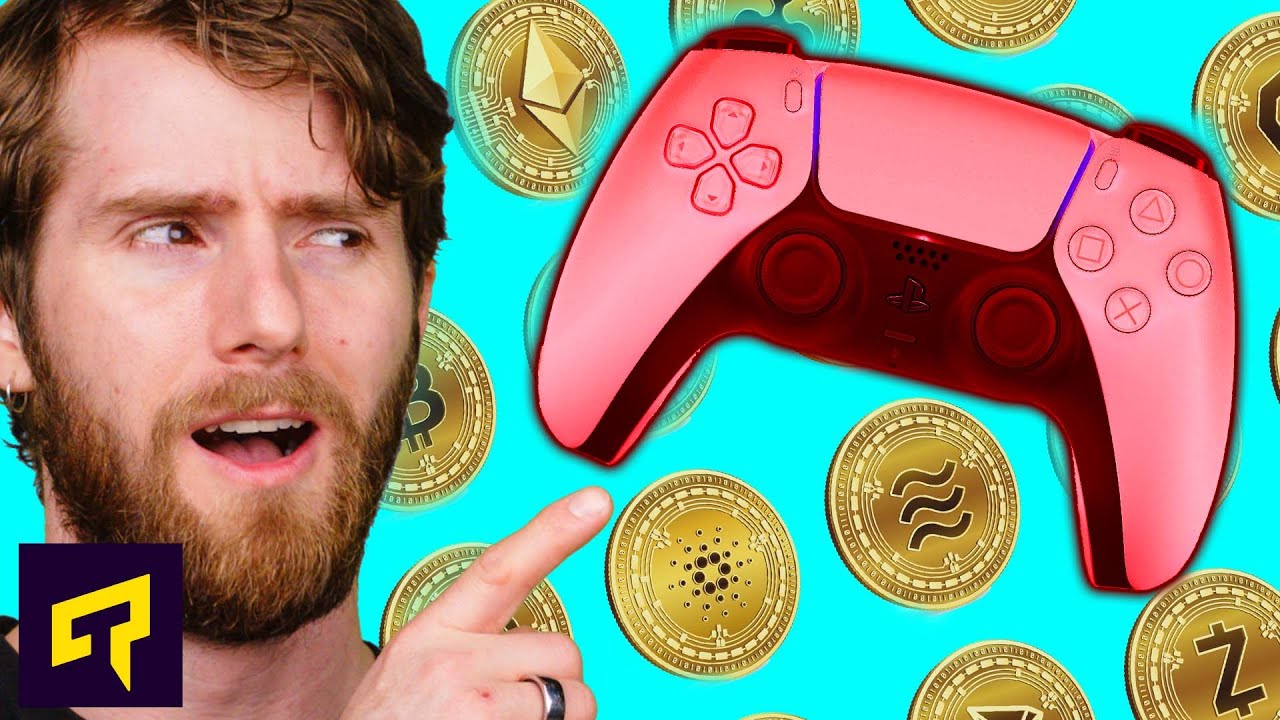
Blockchain Games Are Here - What You Should Know
0 up · 0 down · 0 ratings
Promos
Learn more about the Eaton 9PX Lithium-ion UPS today at: eaton.com Is blockchain the future of gaming, or is it just another gimmick? Leave a reply with your requests for future episodes, or tweet them here: twitter.com ►GET MERCH: lttstore.com ►SUPPORT US ON FLOATPLANE: floatplane.com ►LTX EXPO: ltxexpo.com AFFILIATES & REFERRALS --------------------------------------------------- ►Affiliates, Sponsors & Referrals: lmg.gg ►Private Internet Access VPN: lmg.gg ►MK Keyboards: lmg.gg ►Secretlabs Gaming Chairs: lmg.gg ►Nerd or Die Stream Overlays: lmg.gg ►Green Man Gaming lmg.gg ►Amazon Prime: lmg.gg ►Audible Free Trial: lmg.gg ►Our Gear on Amazon: geni.us FOLLOW US ELSEWHERE --------------------------------------------------- Twitter: twitter.com Facebook: @LinusTech Instagram: @linustech Twitch: twitch.tv FOLLOW OUR OTHER CHANNELS --------------------------------------------------- Linus Tech Tips: lmg.gg Mac Address: lmg.gg TechLinked: lmg.gg ShortCircuit: lmg.gg LMG Clips: lmg.gg Channel Super Fun: lmg.gg Carpool Critics: lmg.gg
Blockchain games are increasingly talked about as a major shift in how games can be owned and traded. The video explains the basic mechanism: players may start for free or pay upfront, often with cryptocurrency, and earn in-game assets stored as non fungible tokens on a public blockchain such as Ethereum. NFTs are highlighted as unique digital items like weapons, skins, or collectibles, which contrasts with traditional in-game items that are owned by the game servers or developers. A key point is that because NFT assets live on the blockchain, players retain ownership even if a game shuts down or a studio loses interest, enabling potential cross title interoperability with less developer labor. The video also uses concrete examples like Axie Infinity to illustrate how players can earn profits from in-game items, contributing to a culture that values financial gain alongside gameplay. While the technology offers potential for reduced server costs and new asset markets, it also raises concerns about value stability, the possibility of pay to win dynamics, and the risk of scams or misleading NFT practices. The discussion then broadens to industry reactions, noting that Ubisoft and EA have shown interest while Valve has pushed back or banned blockchain games on its platform, underscoring a split in the industry about this model. The segment concludes with a cautious outlook: blockchain could become a meaningful part of gaming but must evolve to benefit players rather than lock them into expensive, speculative ecosystems, and it questions whether long term value can be preserved in a way that is accessible and fair for gamers. In sum, the video frames blockchain games as a controversial but potentially transformative trend, urging viewers to monitor regulatory, economic, and gameplay implications as the space develops, and to share ideas for future coverage as the technology matures.
Topics · technology · gaming · blockchain · economics
Questions answered
- What are blockchain games and how do they differ from traditional games?
- Blockchain games use assets stored on a public blockchain, typically as non fungible tokens (NFTs), so players own earned items even if the game is shut down, unlike traditional games where ownership is controlled by the game’s servers.
- What are some potential risks of blockchain games for players?
- Risks include items that may lose value or become worthless, scams or mismanagement by developers, and the possibility of pay-to-win dynamics or reliance on external platforms that raise regulatory or compatibility concerns.
- Why have major publishers or platforms shown mixed reactions to blockchain gaming?
- Some publishers see potential long term value in digital assets and new monetization models, while platforms like Steam have banned blockchain games due to concerns about real world value and user risk, leading to a divided industry response.