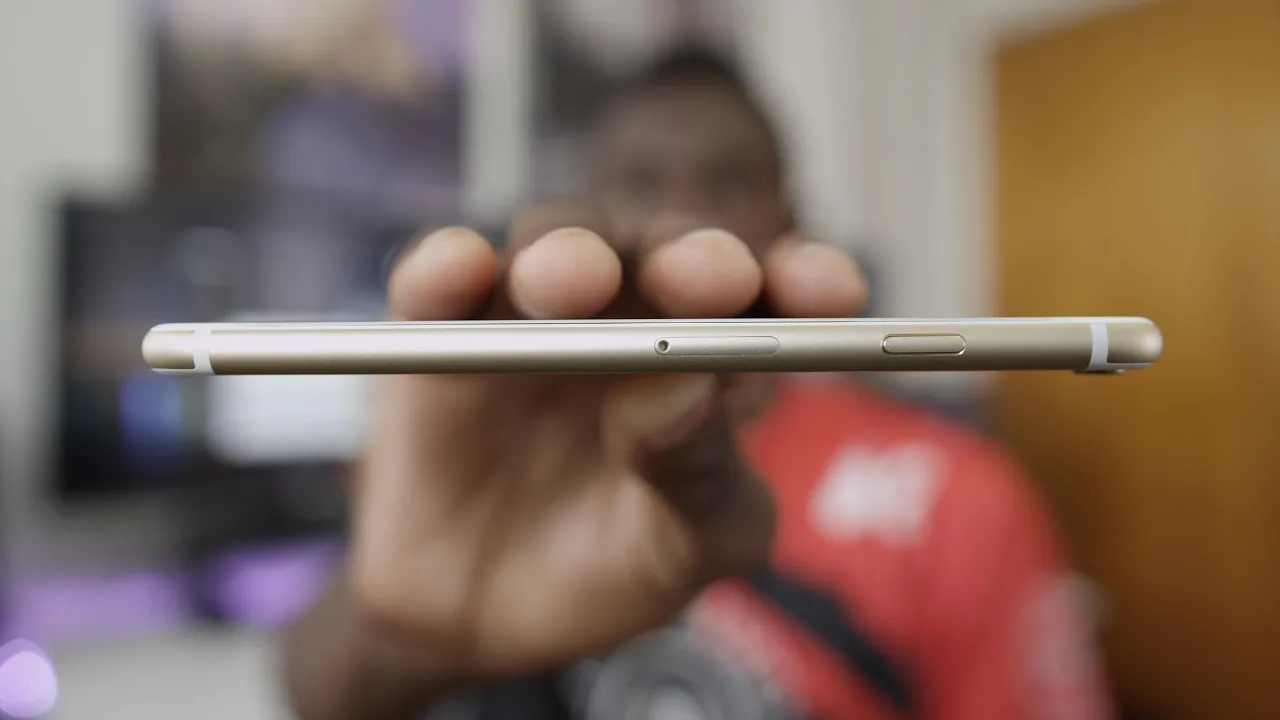
iPhone 6 Plus #BendGate: Explained!
0 up · 0 down · 0 ratings
Channels and socials
iPhone 6 Plus bending stories have taken over the internet. Here's what you need to know! iPhone 6 Plus Bend Test (UnboxTherapy): youtu.be Using a case on the iPhone 6 Plus (TLD): youtu.be Video Gear I use: amzn.com Intro Track: Deadmau5 - Slow Down, Start Over ~ twitter.com google.com @MarquesBrownlee @MKBHD @MKBHD
This video explains the iPhone 6 Plus BendGate phenomenon by breaking down the physics of bending a large, thin aluminum chassis. It starts by recounting the rise of BendGate in late 2014 after Unbox Therapy demonstrated bending with significant force, and then distinguishes between how that demonstration relates to everyday use versus extreme pressure. The host notes that bending on large phones is more likely at the center of a soft unibody aluminum sheet, explaining why the iPhone 6 Plus is more susceptible than some competitors that use magnesium chassis or multi-part constructions. He compares several devices, citing evidence that other phones with different internal structures did not bend as readily under similar testing, and emphasizes that widespread recalls are unlikely since only a small fraction of units show bending. The discussion then shifts to real-world implications, pointing out that the phone’s 6.9 mm thin profile and protruding camera contribute to structural weakness, and suggests that protective cases can improve rigidity at the cost of bulk. Finally, the host offers practical guidance for owners, noting that bending incidents are not universal, that Apple can replace affected units, and that a thicker 6 Plus might have mitigated the bending issue while potentially sacrificing design aesthetics. The video aims to demystify BendGate, frame it as a material and design trade-off, and encourage measured responses from consumers rather than panic or overreaction.
Topics · technology · durability · smartphones · materials science · consumer electronics · product design
Questions answered
- Why does the iPhone 6 Plus bend more easily than some competitors?
- Because it uses a large flat unibody aluminum back without a magnesium chassis, making it structurally thinner and more prone to flex under torque and high pressure.