Your Phone Company Isn't Who You Think It Is
0 up · 0 down · 0 ratings
Promos
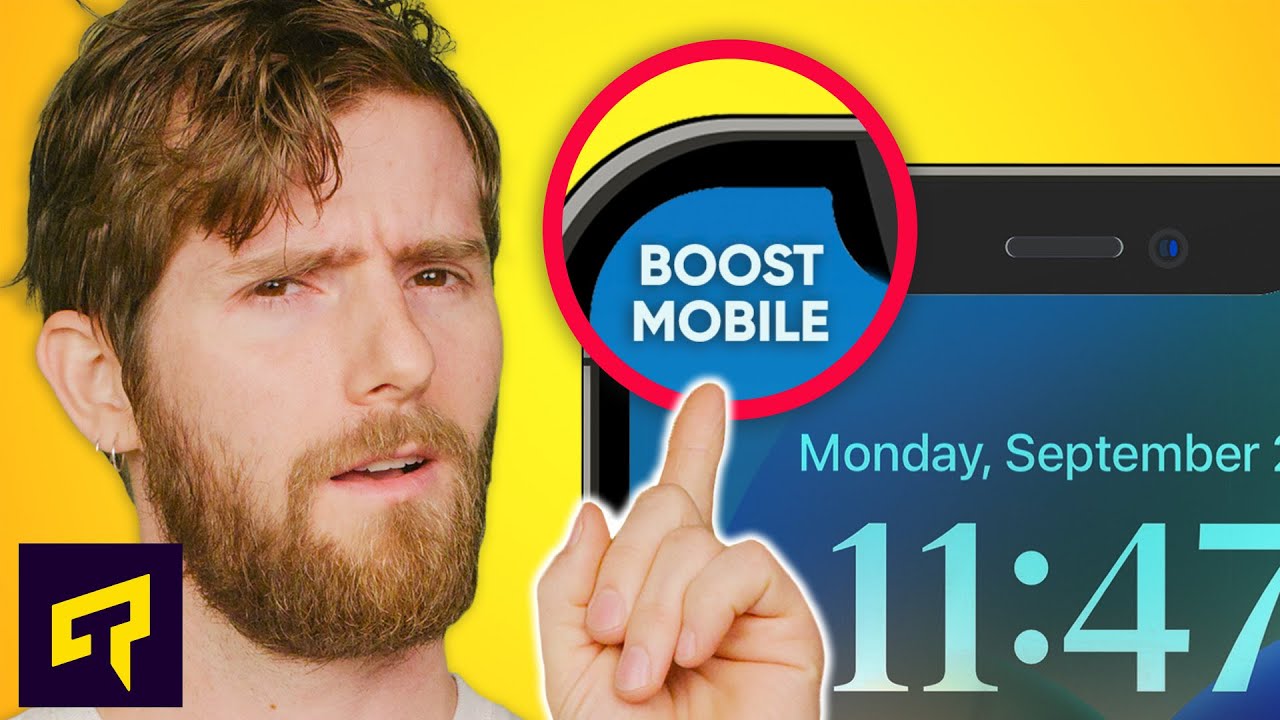
Power through work more efficiently and confidently with the help of Grammarly! Sign up for a FREE account and get 20% off Grammarly Premium: grammarly.com Many mobile carriers don't even own their own cell towers; instead, they use a DIFFERENT provider's network! But why do these carriers - called MVNOs - do this, and how does it work? Leave a reply with your requests for future episodes. ► GET MERCH: lttstore.com ► AFFILIATES, SPONSORS & REFERRALS: lmg.gg ► PODCAST GEAR: lmg.gg ► SUPPORT US ON FLOATPLANE: floatplane.com FOLLOW US ELSEWHERE --------------------------------------------------- Twitter: twitter.com Facebook: @LinusTech Instagram: @linustech TikTok: @linustech Twitch: twitch.tv
The video explains that not every mobile phone provider actually owns the physical infrastructure that delivers service. In the United States, for example, major carriers like Verizon, AT&T, and T-Mobile own many core components, but a large portion of customers actually use MVNOs, mobile virtual network operators, which operate without owning their own towers or data centers. MVNOs purchase wholesale bandwidth from the big carriers and often resell it to consumers at lower prices, sometimes leveraging multiple networks to improve coverage. This arrangement creates a win-win-win scenario: big carriers move unused capacity, MVNOs gain access to broad networks, and customers benefit from lower costs and sometimes better terms. The video notes that MVNOs differ in pricing, coverage, and service quality, and emphasizes the importance of reading the fine print, as throttling, Peak-hour slowdowns, and even potential differences in 5G availability can affect the real user experience. It covers common consumer considerations like device subsidies, contract terms, and prioritization of traffic on networks, encouraging viewers to compare plans and understand what they are paying for beyond attractive advertisements. The host wraps up by recommending due diligence before choosing between major carriers and MVNOs, and invites viewers to share future topics they want covered. At the end, the takeaway is that MVNOs offer valuable options but require careful evaluation of coverage, speed, and terms to ensure they meet individual needs.
Topics · telecommunications · technology · consumer_principles · business_models
Questions answered
- What exactly is an MVNO and how do they differ from major carriers?
- An MVNO is a mobile virtual network operator that provides wireless service without owning its own network infrastructure. Instead, it leases capacity from major carriers and resells it to customers, often with different pricing, terms, or coverage options.