Personal Project RAID 6 Setup & Troubleshooting Windows Home Server Upgrade Linus Tech Tips
0 up · 0 down · 0 ratings
Description
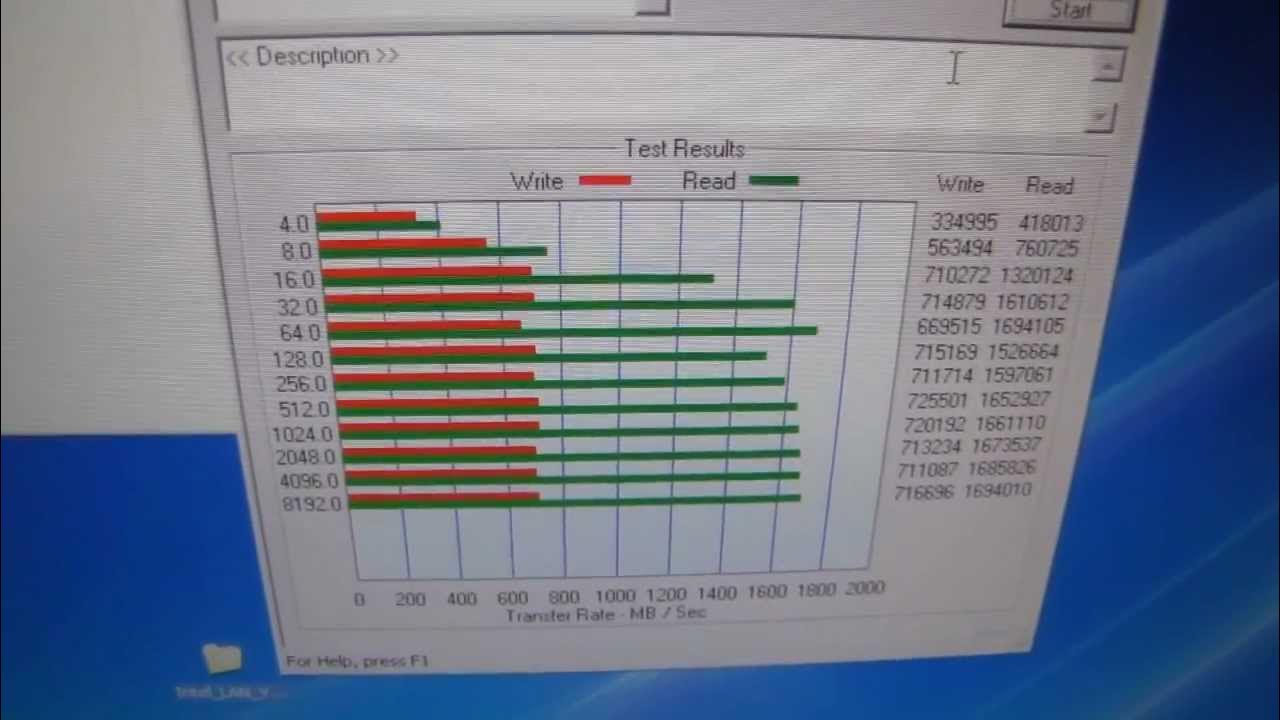
Time for a serious Windows Home Server upgrade... 8x Seagate 3TB Barracuda drives in RAID 6. Watch the video for configuration tips and performance benchmarks at the end... HUUUUGE numbers. CA: ncix.com US: us.ncix.com
This video chronicles a hands-on upgrade to a Windows Home Server with an 8-drive, 3 TB Seagate Barracuda array configured in RAID 6. The host narrates an initial scare where two drives appear failed, only to discover the backup drive is still healthy while planning the drive swap and system upgrade. He discusses selecting a boot drive and how to rearrange drives across bays, including considerations about hot spares and recovery procedures. The process includes firmware updates to the storage controller, followed by a step-by-step walkthrough of creating a RAID 6 volume, ensuring eight member disks, converting to GPT for full capacity, and initializing the new array. Finally, the video pivots to performance benchmarking, revealing extremely high sustained read and write speeds for a mechanical array and comparing RAID 6 against RAID 5 with a hot spare to illustrate the tradeoffs in data protection and performance. The host signs off with a promise to continue coverage of the Windows Home Server upgrade and encourages viewers to subscribe for more hardware projects and tutorials.
Topics · hardware · storage · computer-tutorial · benchmarking · home-server
Questions answered
- What is the purpose of using RAID 6 in this build?
- RAID 6 provides fault tolerance by allowing up to two drives to fail without data loss, which is valuable for preserving a large storage pool used to archive footage.
- Why is a hot spare important in this RAID setup?
- A hot spare automatically replaces a failed drive, allowing the array to rebuild without manual intervention, reducing downtime and potential data risk.
- What performance results are demonstrated in the benchmarks?
- The benchmarks show very high sustained read speeds around 1.5 to 1.6 GB/s and write speeds around 700 MB/s for a mechanical RAID 6 array, illustrating the potential of large HDDs with a capable controller.