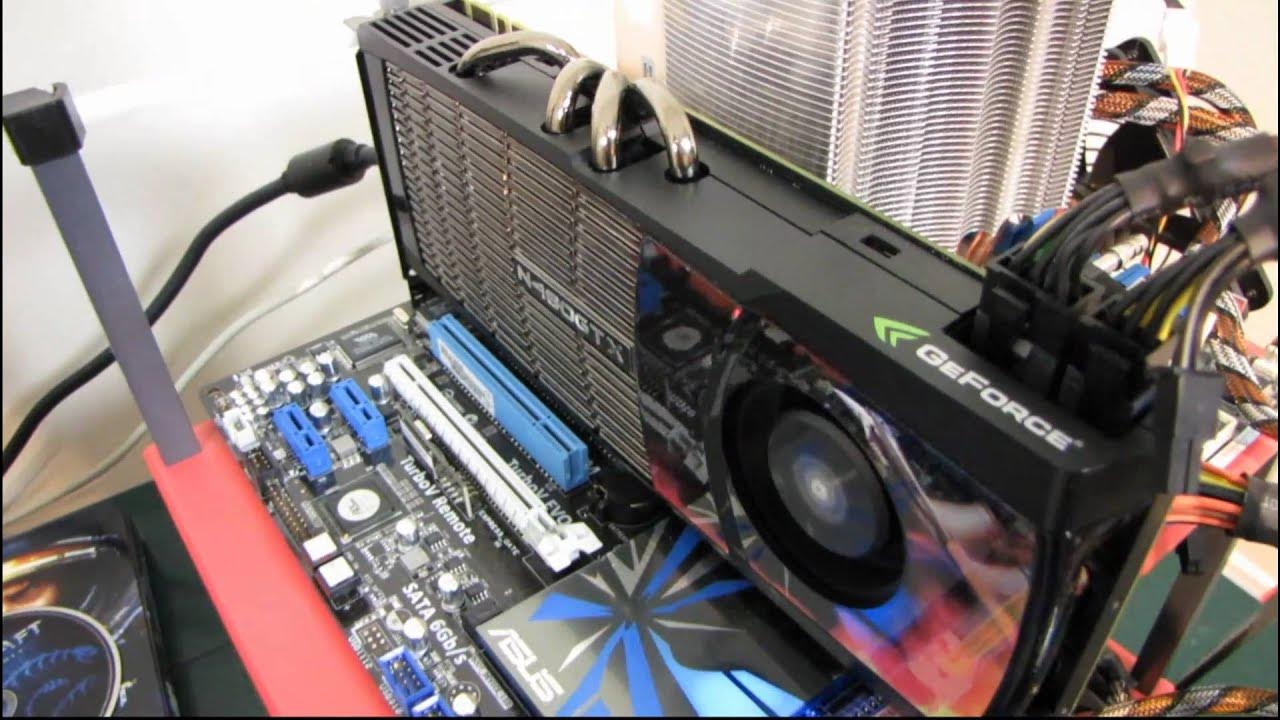
Adaptive Fan Control on the NVIDIA GeForce GTX 580 Explanation & Demonstration Linus Tech Tips
0 up · 0 down · 0 ratings
Description
I know not everyone is, but I was pretty impressed by the stepless fan control on this new graphics card.
The video presents an in-depth look at adaptive fan control implemented on the NVIDIA GeForce GTX 580, explaining how the feature adjusts the GPU cooling dynamically rather than ramping the fan to a fixed profile. Linus demonstrates the effect by manually setting the fan speed to a constant value, then re-enabling auto control to show a slow, gradual decrease in fan speed as the GPU load drops, highlighting the smoother acoustic experience during gaming and lighter workloads. He contrasts this with the GTX 480, showing how the older card ramps up its fan more abruptly under stress, while the 580 with adaptive control ramps more gradually for quieter operation. A stress test using Furmark with the fan intake temporarily occluded illustrates how the adaptive system responds to elevated heat, increasing fan speed in controlled increments rather than jumping to extreme levels. Linus also explains the practical benefits of adaptive cooling: reduced noise during typical gameplay, less noticeable fan activity during intensive scenes, and the overall value of Nvidia’s approach for balancing cooling with acoustic comfort. The segment concludes with a direct comparison that underlines why adaptive fan control represents a meaningful improvement in the GTX 580’s thermal management, setting a new expectation for how modern GPUs manage cooling while remaining quiet.
Topics · technology · hardware · graphics · cooling_systems
Questions answered
- What is adaptive fan control in the GTX 580 and how does it differ from traditional fan profiles?
- Adaptive fan control adjusts the GPU cooling dynamically based on load, producing a gradual ramp of fan speed rather than jumping from idle to maximum as soon as gaming begins.