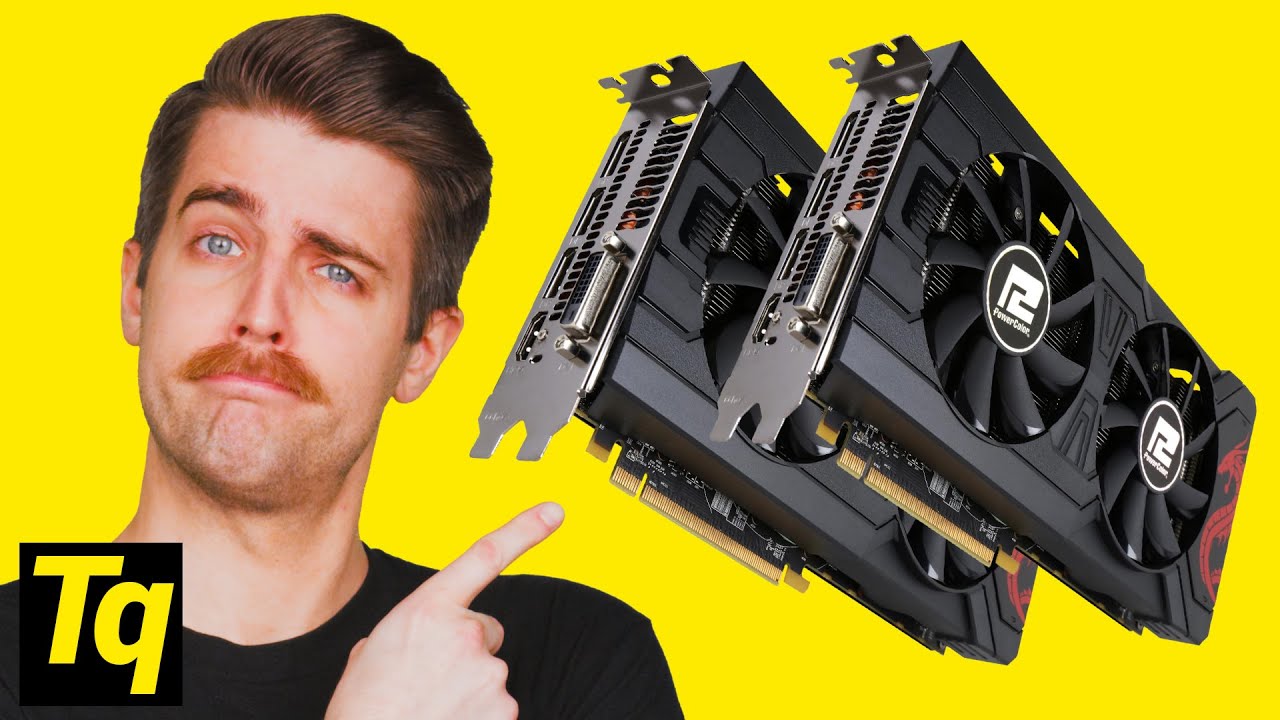
A Farewell To SLI
0 up · 0 down · 0 ratings
Promos
Get 30% OFF your first bag of coffee with Trade Coffee when you click here cen.yt How did SLI and Crossfire get started, and are we seeing the technology come to an end? Leave a reply with your requests for future episodes, or tweet them here: twitter.com ►GET MERCH: lttstore.com ►SUPPORT US ON FLOATPLANE: floatplane.com ►LTX EXPO: ltxexpo.com AFFILIATES & REFERRALS --------------------------------------------------- ►Affiliates, Sponsors & Referrals: lmg.gg ►Private Internet Access VPN: lmg.gg ►MK Keyboards: lmg.gg ►Nerd or Die Stream Overlays: lmg.gg ►NEEDforSEAT Gaming Chairs: lmg.gg ►Displate Metal Prints: lmg.gg ►Epic Games Store (LINUSMEDIAGROUP): lmg.gg ►Amazon Prime: lmg.gg ►Audible Free Trial: lmg.gg ►Our Gear on Amazon: geni.us FOLLOW US ELSEWHERE --------------------------------------------------- Twitter: twitter.com Facebook: @LinusTech Instagram: @linustech Twitch: twitch.tv FOLLOW OUR OTHER CHANNELS --------------------------------------------------- Linus Tech Tips: lmg.gg TechLinked: lmg.gg ShortCircuit: lmg.gg LMG Clips: lmg.gg Channel Super Fun: lmg.gg Carpool Critics: lmg.gg
A Farewell To SLI traces the unusual rise and fall of multi-GPU graphics techniques, starting with the early roots of SLI in the late 1990s. The video highlights how the 3dfx Voodoo II introduced the concept of scan-line interleave, revealing a card that actually housed three GPUs and required a paired setup to deliver higher performance. It explains the initial limitations, including the need for a dedicated 2D card, large hardware footprints, and high costs that accompanied these early configurations. The narrative then follows Nvidia’s acquisition of SLI and the rebranding to Scalable Link Interface, which culminated in consumer SLI cards in 2004 and the use of AFR and SFR rendering strategies. The discussion covers the technical complexity of aligning identical cards, matching BIOS versions, and the early constraints around SLI compatibility and bridging hardware. It also compares SLI with ATI’s Crossfire, noting how Crossfire allowed mixed GPU models later and introduced a proper bridge, enabling larger multi-card configurations. The video emphasizes that despite high hopes and impressive early results in titles like Unreal Tournament 2004 and Half-Life 2, multi-GPU setups suffered from diminishing returns due to overhead and synchronization challenges. The conclusion reflects on why modern gaming has largely moved away from SLI and Crossfire, noting that driver and software stability issues persisted and that multi-GPU support has largely been dropped in favor of native single-GPU optimization. The host also teases future episodes and invites viewer input for more deep dives, while lightly promoting a sponsor and related content. Overall the piece blends historical context, technical explanation, and cultural nostalgia to explain how multi-GPU scaling promised big gains but often delivered only incremental improvements, leading to a shift back to single-GPU systems for most enthusiasts.
Topics · technology history · graphics hardware · computer hardware