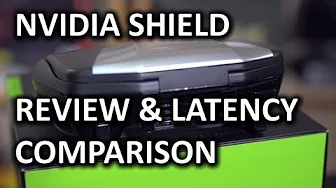
NVIDIA SHIELD vs "DIY Shield" Game Streaming Demo & Review
0 up · 0 down · 0 ratings
Channels and socials
NVIDIA Shield is one of "those" products... The kind that I'm stoked about and it feels like almost no one else is... After spending a fair bit of hands-on time with it, my opinion really hasn't changed. I would drop $300 on it. With that said, not everyone would... Sponsor link: linustechtips.com Pricing & availability: linustechtips.com Join our community forum: bit.ly twitter.com @LinusTech Intro Screen Music Credit: Adhesive Wombat -
Check out his channel here: youtube.com Outtro Screen Music Credit: Approaching Nirvana - Sugar High youtube.com
The video provides a hands-on review of Nvidia Shield with a focus on everyday usage, ergonomics, and the practicality of game streaming. The host describes the Shield as a solid, comfortable device with a notably heavy but long-lasting battery and a charging setup that matters for extended play sessions. He highlights the importance of using the stock 2.1 amp charger to keep charging while gaming and notes that the overall build feels durable, with a well-designed ergonomic layout that suits users with slightly larger hands. The panel also covers the screen quality, sound, and the Android experience, emphasizing the advantages of stock Android and a vibrant IPS display with excellent viewing angles. A carry case is examined for travel, and while it adds bulk, it offers rugged protection and a dedicated charging pass-through, making it a practical accessory for home use and occasional trips. The review concludes that the Shield represents a forward-looking approach to mobile gaming with an open platform, while acknowledging that the value hinges on the game library and continued hardware support. In the middle section, the reviewer pivots to a streamed gaming experience, contrasting the Shield’s native performance with a DIY shield setup that used Splashtop to stream PC games. He demonstrates that Shield streaming can deliver near latency-free results, closely rivaling a gaming-grade monitor, and explains that the experience scales well with a robust wireless router setup. The comparison notes that the DIY shield approach incurs more latency and lower resolutions, while the Shield enables seamless access to Tegra-optimized games, Steam-bound PC titles, and a more straightforward user interface for launching titles. The walkthrough includes Borderlands 2 and Crisis as sample titles, detailing how the Shield automatically adjusts settings and presents a unified game list, making it easy to launch titles without manual configuration each time. The segment underscores how streaming performance, resolution, and ease of use distinguish the Shield from DIY streaming hacks. The closing portion synthesizes performance, library size, and practical recommendations. The host stresses the need to evaluate the library of Android and PC games when deciding if the $299 price is worth it for a given user, and he notes that the Shield’s strengths lie in its hardware, fast Tegra 4 processor, and buttery smooth Android experience. He also points out UI quirks when apps designed for portrait mode run on landscape, but argues that the overall experience remains positive for many users, especially those seeking a portable, open-platform gaming device with decent streaming capabilities. The review ends with an invitation for viewer feedback on the future of mobile gaming and whether devices like Nvidia Shield will define the next generation of open, portable gaming hardware, while also hinting at future features and improvements.
Topics · technology · gaming · hardware review · mobile computing · product review
Questions answered
- Is Nvidia Shield worth buying at $299 based on the gaming library available at launch?
- Yes, the decision depends on the user’s existing game library and how important streaming and portability are to them; the reviewer suggests it’s worth it if the Android library and PC streaming fit their needs.
- How does Shield streaming compare to a DIY shield setup with Splashtop in terms of latency and usability?
- The Shield streaming is described as near latency-free and far more seamless, with easier access to games and automatic resolution adjustments, while the DIY setup introduces more complexity and higher latency.
- What accessories or network setup are recommended to maximize Shield performance?
- Use the stock 2.1 amp charger for charging while playing, and employ a strong dual-band router from a recommended list to ensure stable wireless streaming.