Building a PC CHEAPER in CHINA?! feat. Strange Parts
0 up · 0 down · 0 ratings
Promos
Subscribe to Strange Parts on YouTube: youtube.com Sign up for Private Internet Access VPN at privateinternetaccess.com Buy CORSAIR Obsidian 500D Case On Amazon (Paid Link): geni.us On Newegg (Paid Link): geni.us Buy Gaming PCs On Amazon (Paid Link): geni.us On Newegg (Paid Link): geni.us On Walmart (Paid Link): geni.us Purchases made through some store links may provide some compensation to Linus Media Group. Discuss on the forum: linustechtips.com Our Affiliates, Referral Programs, and Sponsors: linustechtips.com Linus Tech Tips merchandise at designbyhumans.com Linus Tech Tips posters at crowdmade.com Our Test Benches on Amazon: amazon.com Our production gear: geni.us Get LTX 2018 tickets at ltxexpo.com Twitter - twitter.com Facebook - @LinusTech Instagram - @linustech Twitch - twitch.tv Intro Screen Music Credit: Title: Laszlo - Supernova Video Link: youtube.com iTunes Download Link: itunes.apple.com Artist Link: soundcloud.com Outro Screen Music Credit: Approaching Nirvana - Sugar High youtube.com Sound effects provided by freesfx.co.uk
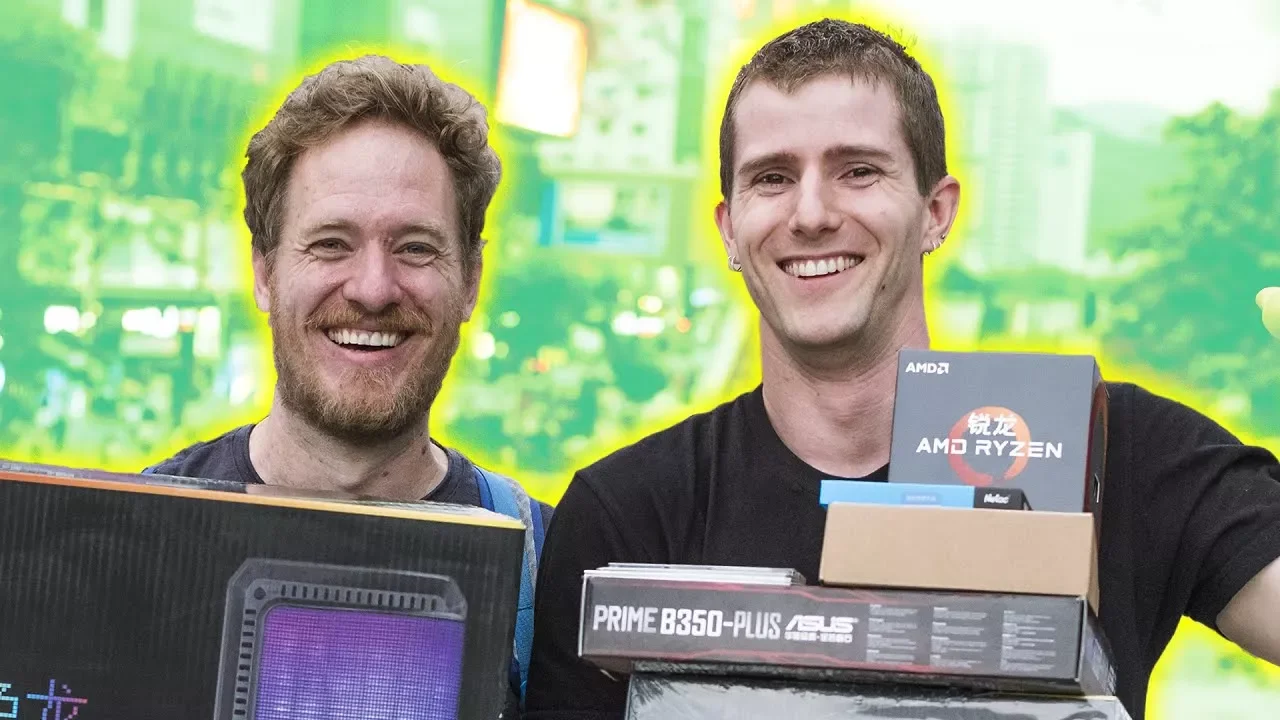
This episode drops Linus and Scotty into Huaqiangbei, the legendary electronics market in China, to explore how cheap PC hardware can really be. The goal is clearly defined by Linus: build an editing PC for Strange Parts using parts sourced in the market, testing what’s affordable and practical rather than buying online. The video opens with a sense of overwhelming scale as they navigate vast booths packed with components, mining gear, and unlikely “found” items. Early on they stumble upon surprisingly affordable items like large power supplies and server-grade boards, while also noting the challenges of negotiating prices and translating specs across languages. The duo quickly shifts from passive browsing to purposeful shopping, setting a budget in Renminbi and outlining an objective: assemble a capable editing rig within a tight time frame. The tone blends humor with genuine curiosity as they compare local pricing to what they’d expect back home, and they start to realize the market’s fragmentation and regional pricing dynamics complicate any simple DIY build. As they wander from booth to booth, Linus and Scotty identify the key bottlenecks of a China-hunted PC build: genuine availability, local brands, and the linguistic barrier when asking about parts. They express mixed feelings about the user experience, describing both the thrill of discovery and the stress of haggling under time pressure. A running thread is the contrast between familiar Western brands and the more eclectic Chinese manufacturers and “no-name” boards that populate the stalls. They find a case that impresses with aluminium construction and RGB at a surprisingly low price, but they’re also confronted with counterfeit or OEM parts and the risk of mispriced or misunderstood components. The shopping sprint intensifies as they attempt to assemble an entire system: motherboard, CPU, memory, GPU, storage, power supply, and a cooling solution, all within the confines of the mall’s closing hour. The video ends with a questionable but entertaining payoff: a partially mocked up water-cooled look, a confused but triumphant attempt to document everything on camera, and a reflection on what they learned about pricing, sourcing, and the odds of a successful build when you’re far from home. Throughout the hour-long trek, the hosts experiment with real-world constraints: language barriers, stock rotation, and the reality that many items are sold as ready-to-assemble kits or OEM components. They discover that price negotiations can yield small, frustrating gains, like a tiny discount on a power supply, while other items remain far more expensive than anticipated. The narrative builds toward a climax as they scramble to secure the core parts before the market shuts down, and they end with a candid assessment of what they achieved versus what they intended. Viewers see not just the mechanical process of choosing hardware but also the human element of traveling, negotiating, and adapting to an unfamiliar retail ecosystem. The result is a vivid, if imperfect, experiment in evaluating “cheap” PC building in a globalized market, with honest reflections about the compromises involved and the surprising joys of finding a bargain in a place that feels almost like a treasure hunt.
Topics · technology · culture · education · travel · collaboration · gaming · computing · maker
Questions answered
- What was the objective Linus and Scotty set for the trip to Huaqiangbei?
- To build an editing rig for Strange Parts using parts sourced in the Chinese market within a limited budget.
- What was the biggest challenge they faced while shopping?
- Language barriers and price negotiations under time pressure, plus verifying authenticity and compatibility of hardware.
- Which component did they decide to prioritize buying first?
- A motherboard and CPU combo, followed by memory and other essential parts to complete the rig.
- Did they end up buying a water-cooled setup?
- Yes, they assembled a look for a water-cooled rig, although it relied on a radiator they selected under budget constraints.
- What was one of the notable surprises in the market?
- They found unusually affordable power supplies and server-style boards, plus a case with RGB that performed surprisingly well for the price.