PCs That Changed Everything
0 up · 0 down · 0 ratings
Promos
Check out CORSAIR's 7000 Series at lmg.gg Personal Computers, aka PCs, changed the world, but which specific ones made the biggest impact? Leave a reply with your requests for future episodes, or tweet them here: twitter.com ►GET MERCH: lttstore.com ►SUPPORT US ON FLOATPLANE: floatplane.com ►LTX EXPO: ltxexpo.com AFFILIATES & REFERRALS --------------------------------------------------- ►Affiliates, Sponsors & Referrals: lmg.gg ►Private Internet Access VPN: lmg.gg ►MK Keyboards: lmg.gg ►Nerd or Die Stream Overlays: lmg.gg ►Official Game Store: nexus.gg ►Amazon Prime: lmg.gg ►Audible Free Trial: lmg.gg ►Our Gear on Amazon: geni.us FOLLOW US ELSEWHERE --------------------------------------------------- Twitter: twitter.com Facebook: @LinusTech Instagram: @linustech Twitch: twitch.tv FOLLOW OUR OTHER CHANNELS --------------------------------------------------- Linus Tech Tips: lmg.gg Mac Address: lmg.gg TechLinked: lmg.gg ShortCircuit: lmg.gg LMG Clips: lmg.gg Channel Super Fun: lmg.gg Carpool Critics: lmg.gg
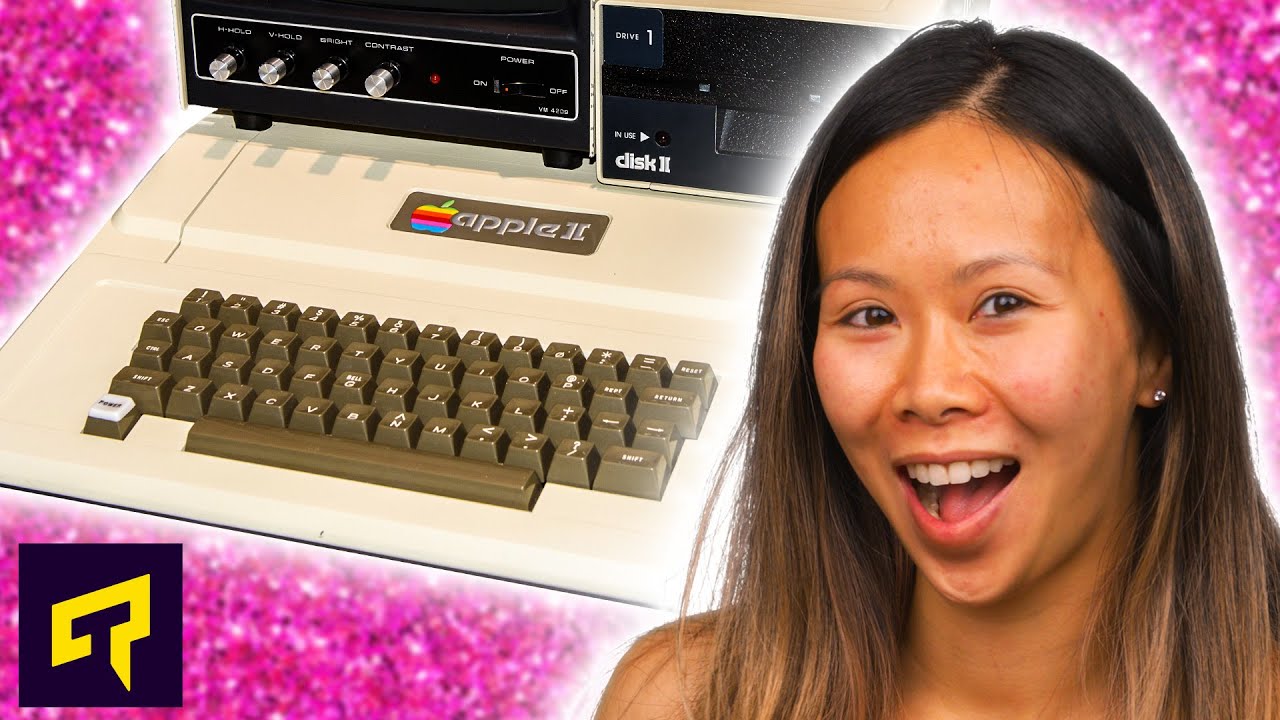
The video identifies five machines that reshaped the personal computer market, starting with the Xerox Alto, which introduced a graphical user interface and a hard drive long before mainstream PCs. The host notes Alto’s high price at its launch, around 32,000, which would be over a hundred thousand in today’s money, and emphasizes how its desktop GUI, built-in mouse, and high-resolution display predated the popularization of GUI-based systems by Apple years later. The segment highlights Apple’s Apple II as a pivotal shift from the notion that computers were only for businesses or enthusiasts, pointing out its price under 1300 dollars for a fully assembled unit and its color-capable display enabled by clever hardware tricks, which helped drive mass adoption. The narrative then covers the Commodore 64, describing its affordability at 595 dollars and its appeal for both games and the demo scene, aided by its distinctive sound chip that attracted electronic musicians and made it a lasting favorite even after more powerful IBM PC compatibles emerged. The discussion continues with the Compact LTE laptop from 1989, noted for its portability and performance, weighing about 3 kilograms and featuring a docking station that could replace a desktop in some setups, albeit lacking built-in Wi-Fi which would become a standard feature soon after. Finally, Apple’s iBook from 1999 is presented as the first in Apple’s main laptop lineup with built-in Wi‑Fi, a colorful design reminiscent of the iMac G3, and a notable demonstration at launch where Jobs bridged the device wirelessly, showcasing early web access without visible cables. Throughout, the host ties these milestones to bigger shifts in how people perceived and used personal computers, from affordability and ready-to-use convenience to portable power and wireless connectivity, ending with a call for viewer input on other machines that deserve the spotlight. The video frames these machines as catalysts that moved PCs from business tools and DIY curiosities to everyday, mass-market devices, and it invites audience engagement for future episodes while acknowledging sponsor Corsair.
Topics · computing history · personal computing · hardware hardware · technology evolution
Questions answered
- What five machines does the video highlight as changing the PC market?
- Xerox Alto, Apple II, Commodore 64, Compact LTE laptop, and Apple iBook.
- Why is the Xerox Alto significant in the history of PCs?
- It was the first personal computer designed with a graphical user interface and included its own hard drive and a mouse, predating later GUI-based systems.