The Secret Council Behind Every Emoji
0 up · 0 down · 0 ratings
Promos
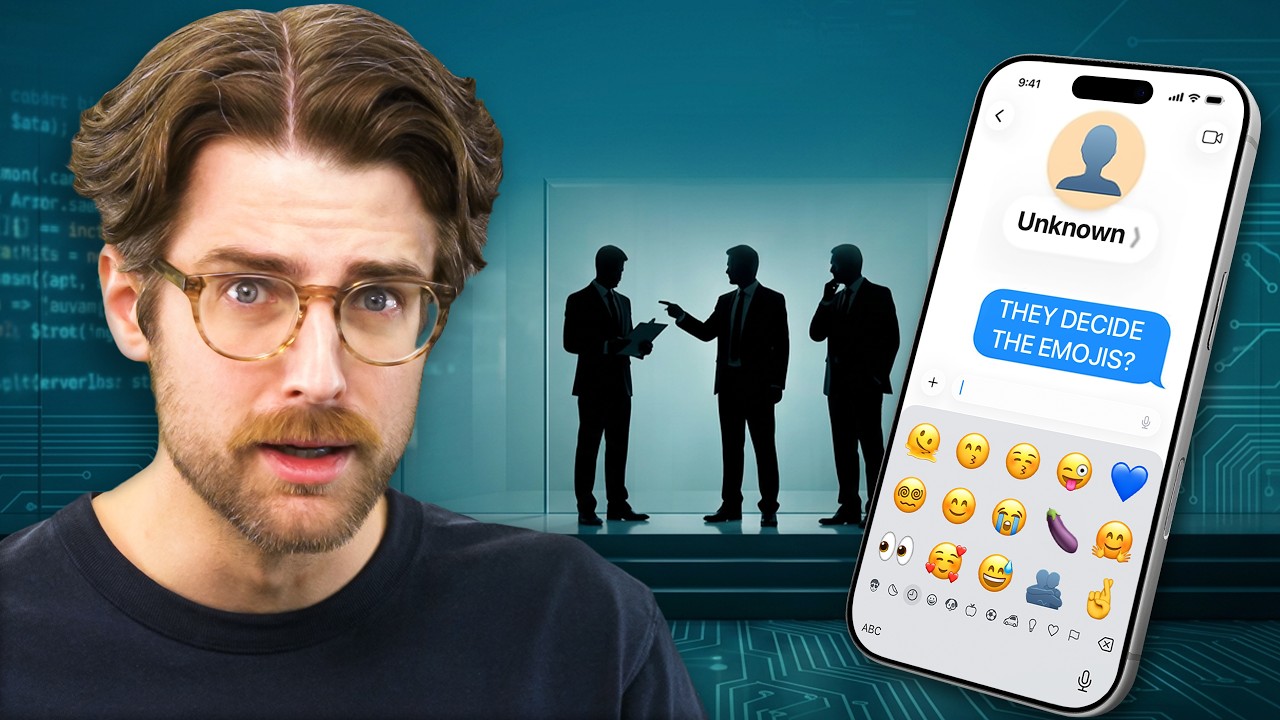
Get a free 15-day trial of Odoo’s all-in-one business solution and see how it can make your life easier! Check it out at odoo.com The Unicode Consortium isn’t elected, isn’t a company, and you’ve probably never heard of them. But they decide which characters exist on every keyboard on Earth, including yours. We dig into how they got that power, why eight corporations pay fifty thousand dollars a year for voting rights, and how new characters get created. Special thanks to Toral Cowieson - Unicode CEO - aac.unicode.org Leave a reply with your requests for future episodes. ► SHOP OUR PRODUCTS: lttstore.com ► GET A VPN: piavpn.com ► GET EXCLUSIVE CONTENT ON FLOATPLANE: lmg.gg ► SPONSORS, AFFILIATES, AND PARTNERS: lmg.gg
The video explains how Unicode, the global encoding standard that underpins every keyboard and digital text display, came to exist and why it wields remarkable influence over everyday communication. It begins by contrasting chaotic pre-Unicode encoding with the vision of a single, shared registry that assigns unique IDs to every character, enabling consistent handling across devices and languages. The discussion highlights the key figures behind Unicode’s birth, including Joe Becker, Lee Collins, and Mark Davis, and explains how a California nonprofit evolved into the Unicode Consortium with a formal structure. The host emphasizes the practical impact of Unicode, such as how the standard supports billions of devices, how the ID system scales without limits, and how the work is sustained by a mix of full-time staff, volunteers, and a diverse technical committee. The narrative then shifts to the governance model, detailing how companies like Microsoft, Apple, Google, and others pay for voting rights on the technical committee, and how broader members and individuals participate in shaping the standard while not all voices carry equal weight. Finally, the video outlines the emoji approval process, from initial proposals to committee votes, and reveals how platform vendors ultimately render the approved characters, noting examples like the rifle emoji controversy and changes in emoji rendering across ecosystems. The piece culminates by underscoring Unicode’s quiet but foundational role in text rendering, time formats, calendar systems, and multilingual typesetting, while inviting viewers to suggest deeper topics for future episodes and hinting at related explorations of how big tech quietly governs online experiences.
Topics · science_and_technology · internet_infrastructure · digital_encoding · standards_and_governance · technology_history
Questions answered
- Who actually controls the Unicode Standard and how do corporations participate in its governance?
- The Unicode Consortium governs the standard through a technical committee that includes voting members from major companies and supporting and associate members; these entities pay for voting rights and can influence which characters are approved.
- How does a new emoji or character get added to the standard and eventually appear on devices?
- A proposal is submitted, it goes to the emoji subcommittee and then to the technical committee for a vote; if a simple majority passes, it gets a unique ID and is included in the next version, after which platform vendors render it on their keyboards.