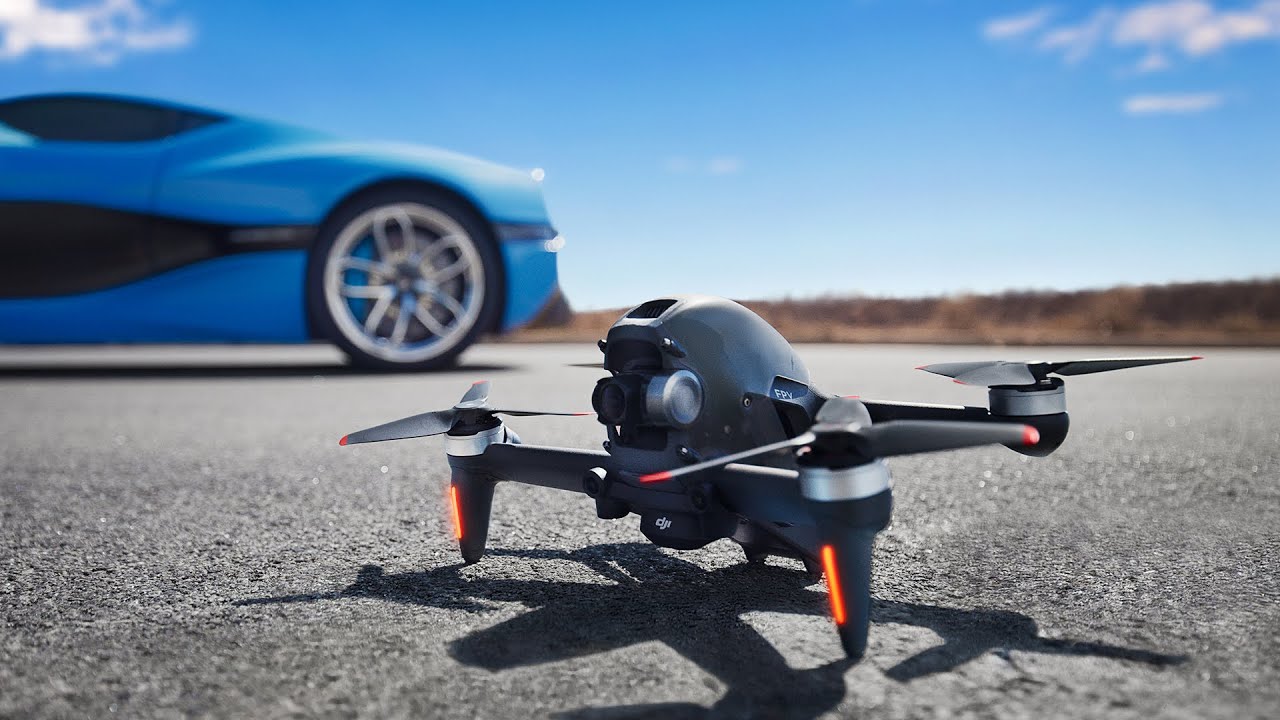
Dope Tech: The Fastest Drone AND Car Yet!
0 up · 0 down · 0 ratings
Promos
The 87mph drone, the 211mph electric supercar and beyond! DJI FPV: dji.com Rimac Concept One: manhattanmotorcars.com Insta 360 GO2: amzn.to insta360.com MKBHD Merch: shop.mkbhd.com Tech I'm using right now: amazon.com Intro Track: youtube.com Playlist of MKBHD Intro music: goo.gl ~ twitter.com @MKBHD @MKBHD
The video opens with Marques detailing two broad styles of aerial drones. He contrasts the easy-to-fly cinema drones like DJI Mavic series with the raw, high-adrenaline FPV racing drones that are built from kits and emphasize manual control, crashes, and on-the-fly repairs. He explains how the new DJI FPV drone aims to combine the best of both worlds: a stabilized 4K camera and gimbal from cinema drones plus the speed and agility of FPV racing hardware. The result, he notes, is a drone that feels like a video game to fly, with three flight modes that balance accessibility and performance. In the core flight section, Marques walks through the drone design, the headset system, and the controller layout, highlighting how the FPV experience is augmented by low-latency video and on-board storage options to preserve footage even if the live feed is lost. He also touches on the learning tools DJI provides, including a simulator to practice manual mode before taking to the sky, which lowers the barrier of entry for aspiring FPV pilots. Next, the video pivots to the Rimac Concept One, described as a pinnacle of electric hypercars from 2013 with 1200 horsepower, a 2.5-second 0–60 mph time, and a 210 mph top speed. Marques shares his personal experience driving the car for a few laps, emphasizing the car’s ultra-low seating position, go-kart-like handling, and the unique two-gear system that players with two gears to shift between. The interior footage captured with the Insta360 GO2 camera highlights how compact the cockpit is and how the car’s aerodynamics and exhaust note contribute to a sense of speed, even at lower speeds on a closed road. The segment also reflects on the wheelbase, gear engagement, and the visceral, near-silent electric power that makes the Rimac feel unexpectedly agile, almost like piloting a tiny, fast spaceship on wheels. Marques also reviews the Insta360 GO2 camera, praising its tiny form factor, magnet-based mounting options, and dual-use case that charges and can function as a tripod. He describes in-car and headband-mounted footage to illustrate first-person perspectives in a compact vehicle, discussing the balance between size, weight, and image quality. The camera’s ease of use and potential for future improvements in small-action cameras are framed as valuable for future car videos and other lightweight, fast-moving contexts. The video closes with a teaser about a potential collaboration with Top Gear and a summary that this Dope Tech episode explored fast, lightweight, and highly capable objects, leaving viewers with a sense of the growing intersection between consumer tech, high-performance engineering, and immersive videography.
Topics · technology · drones · automotive · camera-gear · electric-vehicles
Questions answered
- What makes the DJI FPV drone different from traditional cinema drones?
- The DJI FPV drone blends a stabilized 4K camera and gimbal from cinema drones with FPV racing agility and speed, plus multiple flight modes and a simulator to ease learning for beginners.
- What are the key specs of the Rimac Concept One highlighted in the video?
- The Rimac Concept One has 1200 horsepower, a 2.5 second 0–60 mph time, a 210 mph top speed, four wheel-motor setup, a 90 kWh battery, and a two-gear system.
- What camera was used for cockpit footage in the Rimac test drive and why?
- The Insta360 GO2 camera was used due to its tiny size, magnet mounting, and ability to capture in-car footage without obstructing the driver’s view.