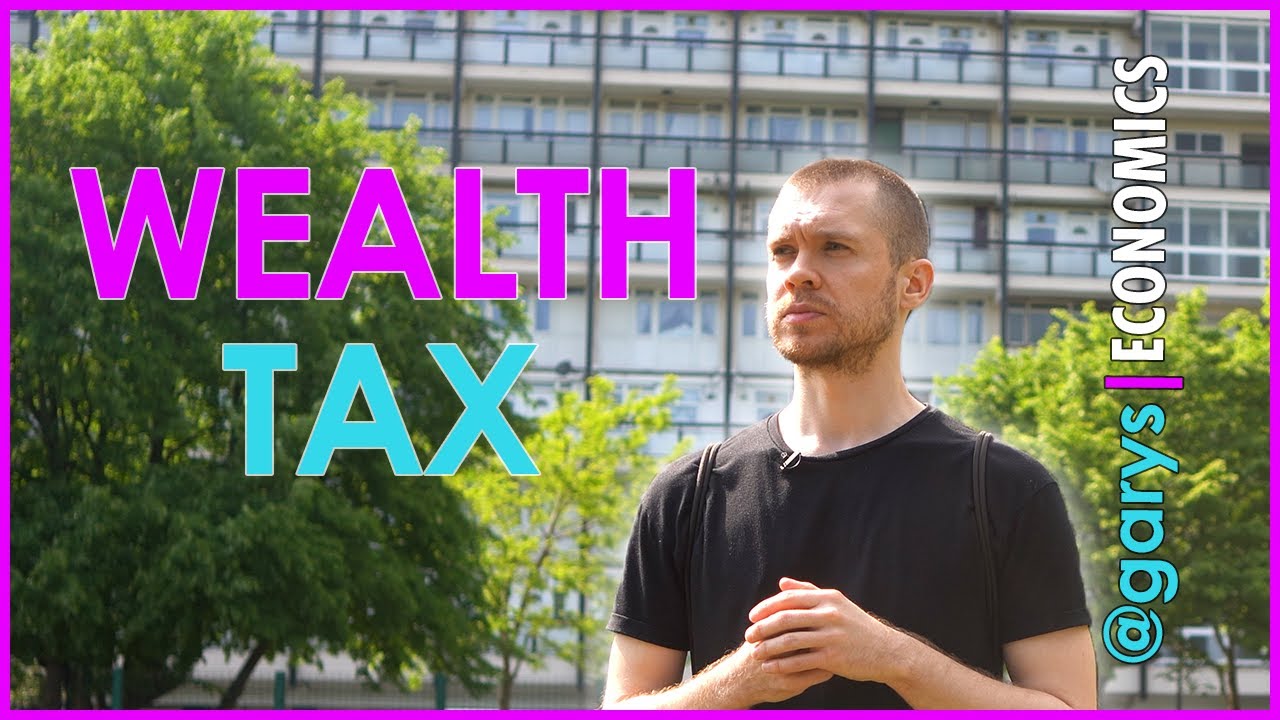
Why This Millionaire Supports a Wealth Tax
0 up · 0 down · 0 ratings
Channels and socials
"I'm a millionaire and a tax on millionaires and billionaires is gonna hit me too but i can see what's gonna happen if we don't fix a broken economic system - it's going to get worse and worse and it's not going to be pretty but a different future is possible!" SUBSCRIBE, SHARE & START A CONVERSATION SOCIAL MEDIA: WEBSITE - wealtheconomics.org TWITTER - @garyseconomics FACEBOOK - @garyseconomics INSTAGRAM - @garyseconomics Performed by Gary Stevenson GARYSECONOMICS Produced by Simran Mohan MOHAN MEDIA
Gary Stevenson shares a personal arc from growing up in East London to becoming a high-earning trader at Citibank, where his bets on interest rate movements during the 2008 financial crisis enabled him to become a millionaire. He explains how trillions of dollars pumped into the global economy after the crisis did not reach ordinary people, instead flowing to the wealthy and fueling asset inflation in stocks and real estate. This dynamic, he argues, widened wealth gaps and suppressed consumer spending, undermining a robust, sustainable recovery. The speaker then pivots to a core thesis: to restore economic vitality, wealth inequality must be addressed through a progressive taxation framework, notably a wealth tax that targets billionaires and millionaires while not increasing taxes on ordinary earners. He cites historical examples from Britain where more progressive tax structures coincided with strong employment and affordable housing, suggesting a modern wealth tax could replicate similar benefits today. He emphasizes that the wealth tax could generate revenue to improve public services like education and healthcare, and reduce the tax burden on hard-working families, ultimately stimulating demand and job growth. The video frames the wealth tax as a positive, practical reform rather than a punitive measure, insisting that reducing inequality could unleash a virtuous cycle of higher wages, more affordable housing, and greater economic opportunity for ordinary people. The call to action is clear: support a wealth tax to re-balance fiscal policy, repair the economy, and create a future with stronger growth and improved living standards for the many rather than the few.
Topics · economy · public_policy · inequality · taxation · finance · housing · labour_market
Questions answered
- What is the core reason Gary believes wealth inequality harms the economy?
- Gary argues that when money is printed or injected into the economy but primarily reaches the rich, it leads to asset inflation in stocks and housing rather than increased spending by ordinary people. This reduces affordability, suppresses consumption, and weakens economic recovery for the broader population.
- How does a wealth tax supposedly improve the economy according to the video?
- The wealth tax would raise government revenue that could be used to fund public services and reduce taxes for working families, while encouraging a more even distribution of purchasing power. This, in turn, would boost demand, create more jobs, raise wages, and expand access to housing and opportunity.
- What historical example does the speaker reference to support progressive taxation?
- The speaker points to tax systems from the 1950s and 1960s in Britain where wealthier individuals paid higher rates and the economy experienced strong growth, implying that a modern wealth tax could replicate that boom.