This is the Dumbest Product I've Ever Reviewed
0 up · 0 down · 0 ratings
Description
This thing blows
Promos
Check out Dr. Mike at @DoctorMike MKBHD Merch: shop.mkbhd.com Tech I'm using right now: amazon.com Playlist of MKBHD Intro music: goo.gl ~ twitter.com @MKBHD @MKBHD
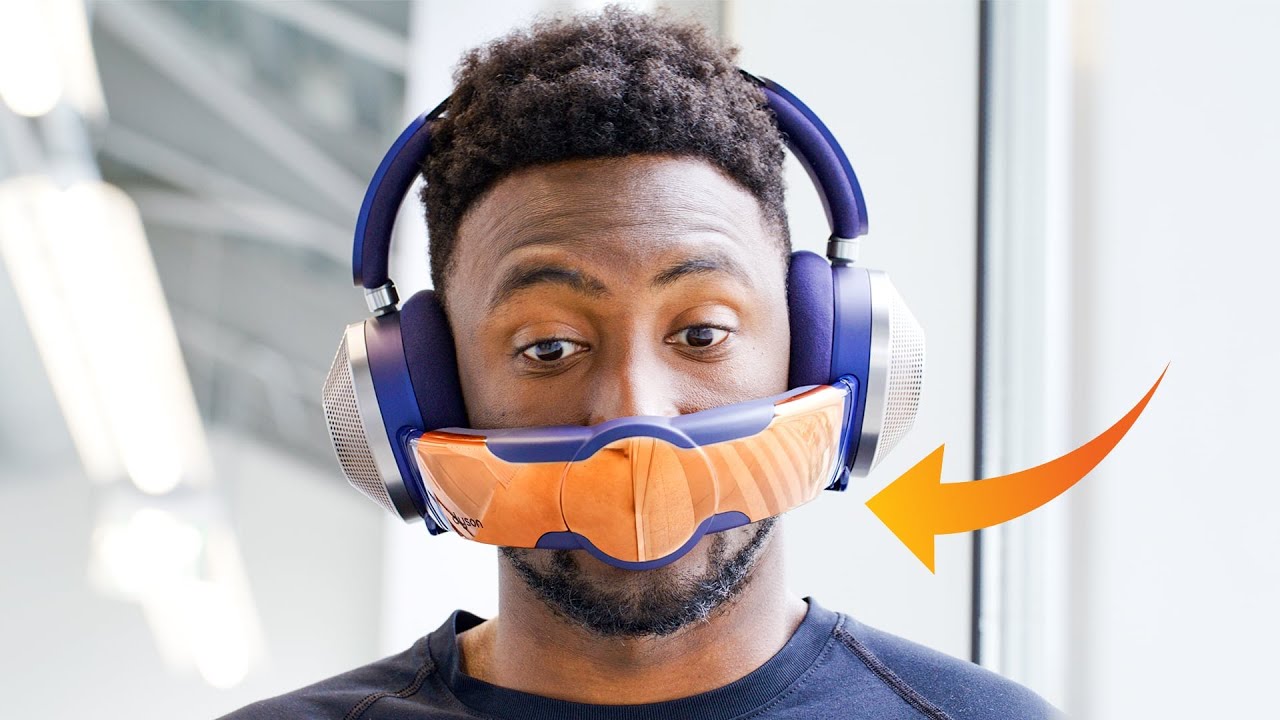
This video opens with Marques Brownlee presenting a product that sounds almost unbelievable: Dyson Zone air purifying headphones, a thousand dollar pair that blends traditional audio hardware with built in air filtration. He notes the initial disbelief, the unexpected price, and the unusual marketing push from Dyson’s channels. The discussion quickly situates the product within Dyson’s broader history of motor and filtration innovations, recalling their bladeless fans, hair dryer, and other gadgets. He emphasizes the oddity of a company known for vacuums venturing into wearable tech, and he sets the stage for a deep dive into both the headphones portion and the purification visor. Throughout the segment, the presenter grades the concept against practicality, branding, and real-world usefulness, signaling that this will be a thorough, skeptical evaluation rather than a hype-driven review. By the end of the first section, the expectation is clear: we’re about to see whether this is a gimmick or a genuinely useful, high-end device. He teases the two-part nature of the product and previews a critical appraisal of both sound quality and air purification capabilities. The middle sections focus first on the headphones themselves, detailing their extreme size, weight, and premium material construction. Marques compares them to well-known models like Audio-Technica M50s and notes the extraordinary 588-gram heft, which makes the experience feel like wearing a helmet rather than a conventional headset. The control scheme on the right ear cup, including a joystick for volume and track changes, is highlighted as a clever touch that works across multiple apps but occasionally falters with some services. The video then transitions into the filtration system, describing the visor, replaceable filters, and the path air takes from intake to purified delivery over the mouth and nose. The thoroughness of the teardown is evident as he explains how the air purification integrates with the listening experience, while also flagging the audible noise from the fan and compressor as a potential downside during use. Overall sound quality is described as balanced and reasonably bassy, with standout notes on exceptional transparency mode that rivals premium alternatives, though the ANC performance lands just above average without fanfare. The longer battery life and “on head detection” features are noted as strong positives, rounding out the headset’s value proposition before moving into the second major portion of the product. In the assessment of the air purification portion, the reviewer narrates an almost comical yet meticulous field test. He explains how air is drawn through filters, purified to remove particles down to 0.1 microns, and delivered via a magnetic visor that forms a seal-like channel around the nose and mouth. However, the practical tests under real-world conditions reveal fundamental flaws: despite the attempt at a seal, air can still bypass the system, and the rushing noise from spinning fans undermines the listening experience. The video then productively questions the overall utility of the device, comparing it to established protective options like N95 masks which offer better filtration and a physical seal. The expert discussion delves into respiratory science tangentially, clarifying why a mere filtration boost without a true seal may be insufficient, and why the device could theoretically create new risks through dryness and vasoconstriction. He closes with reflections on Dyson’s motivation and branding strategy, entertaining the possibility that the product acts as a loss leader to generate buzz and drive attention to Dyson’s broader ecosystem. The conclusion remains nuanced: the product is a high-effort, high-cost experiment that dazzles with design and data features but falls short as a practical, health-preserving device for most city users. The video ends with a candid summary and a nod to Dyson’s marketing acumen, leaving viewers with a clear impression of a provocative concept that challenges expectations while acknowledging its questionable real-world value. In sum, the review presents a balanced critique anchored in careful testing and science-based reasoning. The two-in-one concept is acknowledged for its ambition and technical ambition, yet the core consumer question,whether the air purifying feature justifies the price and inconvenience,remains largely unresolved in the eyes of the reviewer. The closing remarks emphasize branding and press dynamics as possible explanations for the product’s existence, while also praising the attention to detail in packaging and software that accompanies the headphones. Viewers are left with plenty to consider: a striking design, advanced but imperfect air filtration, and a bold claim that makes Dyson a topical talking point in tech culture. The video and its discussion thus function as both a product critique and a reflection on how marketing, engineering prowess, and consumer expectations intersect in today’s premium tech market.
Topics · technology review · consumer electronics · audiovisual hardware · health and safety
Questions answered
- What is the Dyson Zone and how is it supposed to work?
- The Dyson Zone is a two-in-one device that combines over-ear headphones with an air purification visor. Air is drawn through replaceable filters in the ear cup area, purified, and then directed over the nose and mouth via a visor, with the goal of reducing pollutants in the user's immediate breathing space.
- Does the device actually seal around the face like an N95 mask?
- No, the product does not create a true seal like an N95 mask. Air can still flow in around the nose and mouth, which undermines the filtration effectiveness compared with masks that form a seal.
- What are the main drawbacks identified in the review?
- Key drawbacks include the heavy weight, audible fan and compressor noise, lack of a true seal, reduced battery life when the fan is active, and the question of practical value given superior filtration options such as traditional masks.
- Is there any potential marketing or branding rationale for Dyson releasing this product?
- Yes, the reviewer suggests it could be a loss leader designed to generate press and drive attention to Dyson’s broader ecosystem, leveraging strong branding to create buzz even if the product itself isn’t widely adopted.