Samsung Galaxy Ring Review: I Wanted to Love It!
0 up · 0 down · 0 ratings
Promos
Smart rings are fun fitness trackers, but turns out they're not for me. Get $350 off the Pod 4 Ultra or $200 off the Pod 4 at eightsleep.com MKBHD Merch: shop.mkbhd.com Tech I'm using right now: amazon.com Playlist of MKBHD Intro music: goo.gl Samsung provided the Galaxy Ring for review. ~ twitter.com @MKBHD @MKBHD
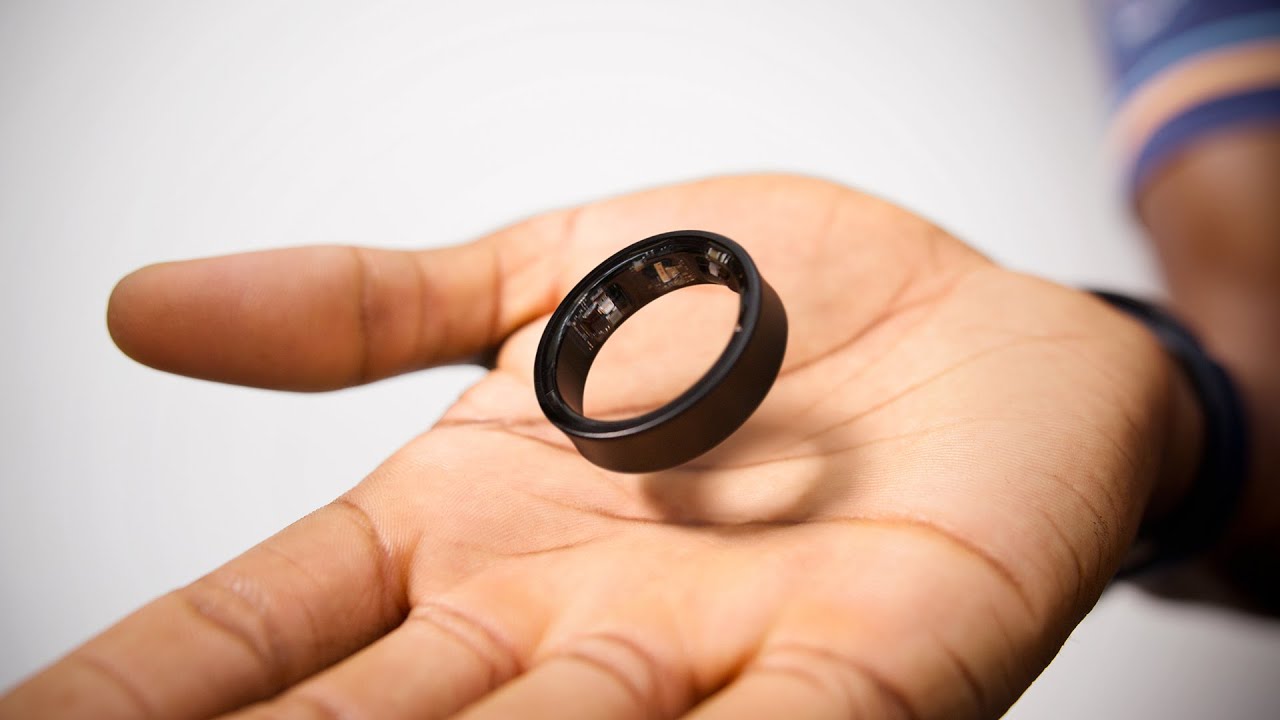
Samsung Galaxy Ring Review: I Wanted to Love It starts with Marques brownlee sharing a personal exploration of wearing a smart ring, including sizing trials and the challenge of getting all-day readings without interruption. He highlights the Galaxy Ring’s compact, near-normal ring form factor and marvels at how much technology fits into a 2.6 millimeter-thick design, even while acknowledging the learning curve of wearing a ring daily. The reviewer dives into the core use case of 24/7 health tracking, noting that readings are shown in the Samsung Health app as calories burned, steps taken, distance, and a composite energy score out of 100, while comparing results against an Apple Watch Ultra to expose a noticeable delta in activity data. He discusses the ring’s sizing kit, the importance of correct finger placement and sensor alignment, and his initial discomfort from a loose fit before switching to a smaller size for better readings. Throughout, the video emphasizes real-world practicality, including how comfortable the ring can be for everyday wear and the trade-offs between wearability and features when compared to a traditional smartwatch. In a detailed second segment, the video turns to how the Galaxy Ring performs during different activities and sleep. Marques explains that the ring is best worn on the index finger with sensors facing palm-side for accurate readings and shares experiences with auto workout detection that sometimes misses lighter activities. He notes that sleep tracking can diverge from actual sleep times, and the Eight Sleep mattress cover provides a more precise baseline, creating an opportunity to cross-check readings. The sponsor segment for Eight Sleep Pod 4 Ultra and Pod 4 is woven in, with claims about improved sleep duration and sleep quality backed by clinical validation. He also discusses ecosystem dependencies, pointing out the Galaxy Ring's Samsung-only pairing and a few quirky features such as gesture-based controls that feel more novelty than essential. The conclusion reflects on personal fit: while the ring is elegant, relentlessly wearable, and answers a different use case than a smartwatch, it ultimately isn’t his preferred form factor for the workouts he values most. The final takeaway evaluates overall value and future prospects. Marques argues that the Galaxy Ring excels as a simple, distraction-free wearable for those deeply integrated into the Samsung ecosystem who prioritize comfort and minimalism. He notes hardware constraints like the lack of a speaker and potential tracking gaps during intense activities and sleep, which temper enthusiasm for widespread adoption. The review closes with practical recommendations: try the sizing kit to ensure a snug fit, consider the ring for everyday wear rather than heavy training, and recognize that it is not a substitute for a feature-rich smartwatch. He leaves the door open for potential software updates but remains clear about the ring’s niche status and the trade-offs users should expect when considering it as a standalone fitness tracker.
Topics · technology · wearables · health & fitness
Questions answered
- What factors most affect Galaxy Ring readings according to the review?
- Sensor alignment, correct finger placement, and a snug size are crucial for accurate readings, while wear location and occasional gaps during sleep or workouts can cause discrepancies.
- Is the Galaxy Ring compatible with non-Samsung phones?
- No, the Galaxy Ring is designed to pair with Samsung Galaxy phones only, which limits cross-platform use compared to some other rings.
- Does the Galaxy Ring replace a smartwatch for most users?
- No, the reviewer suggests it suits a niche use case with high wearability and minimal notifications, but a smartwatch offers more functionality for most workouts and activities.