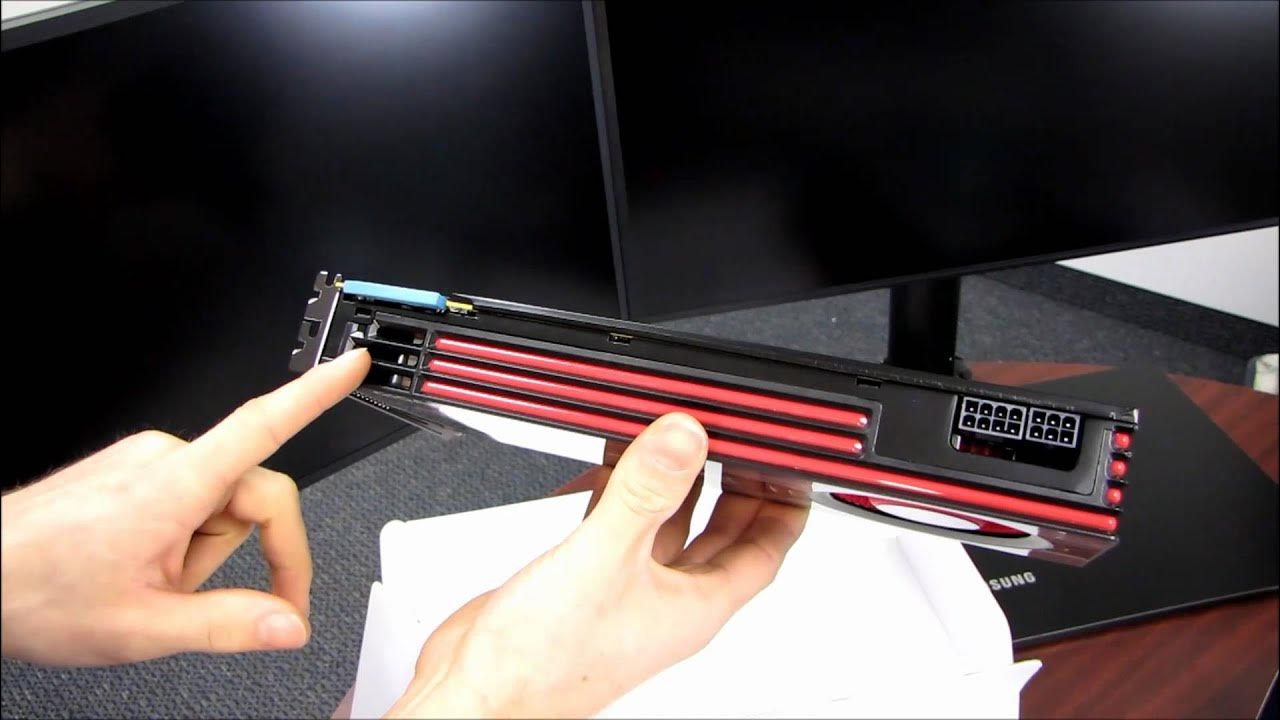
Gigabyte AMD Radeon HD 6970 Video Card Unboxing & First Look Linus Tech Tips
0 up · 0 down · 0 ratings
Description
ncix.com It's here. AMD's update to their highly successful Radeon 5000 series of graphics cards!
Linus Tech Tips presents a detailed unboxing and first look at the Gigabyte AMD Radeon HD 6970 graphics card. The video kicks off with an explanation of AMD’s updated naming scheme for the 6000-series GPUs, clarifying that the 6970 is positioned as the price-point successor to the previous high-end line rather than a direct 5870 replacement. Linus notes the card ships with 2 GB of DDR5 memory, suggesting potential advantages for texture quality and frame buffering, and he contrasts this with earlier 1 GB variants to set expectations for performance differences. He then walks through the card’s packaging contents, including a driver CD and manual, and comments on practical accessories such as a dual-Molex to 8-pin power adapter and a Crossfire bridge. The unboxing continues with a hands-on look at the card’s physical design, highlighting the black and white aesthetic, the large cooling shroud, and the dual-slot ventilation arrangement. Linus discusses the power connectors, a BIOS flash DIP switch, and the backplate’s appearance, emphasizing a preference for a clean, enclosed shroud over exposed green PCBs. He concludes with practical notes on display outputs, multi-monitor configurations, and the card’s ventilation needs, while candidly planning to test BIOS-related features further and inviting viewers to subscribe for more unboxings and reviews.
Topics · technology · hardware · unboxing · graphics-cards
Questions answered
- What is the AMD Radeon HD 6970’s position in the new 6000-series lineup according to Linus?
- The 6970 is the price-point replacement for the 5870, forming part of AMD's strategy to offer scalable GPU solutions with future dual-GPU options.
- What notable physical feature on the card did Linus praise for aesthetics and protection?
- The black shroud over the back of the card was praised for aesthetics and protecting the PCB, with a two-part construction indicating a metal heat-sink component.