These Graphics Cards Shouldn't Have Existed
0 up · 0 down · 0 ratings
Promos
Thanks to Secretlab for sponsoring today's video! Check them out at lmg.gg Here are some of the most pointless GPUs to ever exist. Leave a reply with your requests for future episodes. ► GET MERCH: lttstore.com ► AFFILIATES, SPONSORS & REFERRALS: lmg.gg ► PODCAST GEAR: lmg.gg ► SUPPORT US ON FLOATPLANE: floatplane.com FOLLOW US ELSEWHERE --------------------------------------------------- Twitter: twitter.com Facebook: @LinusTech Instagram: @linustech TikTok: @linustech Twitch: twitch.tv
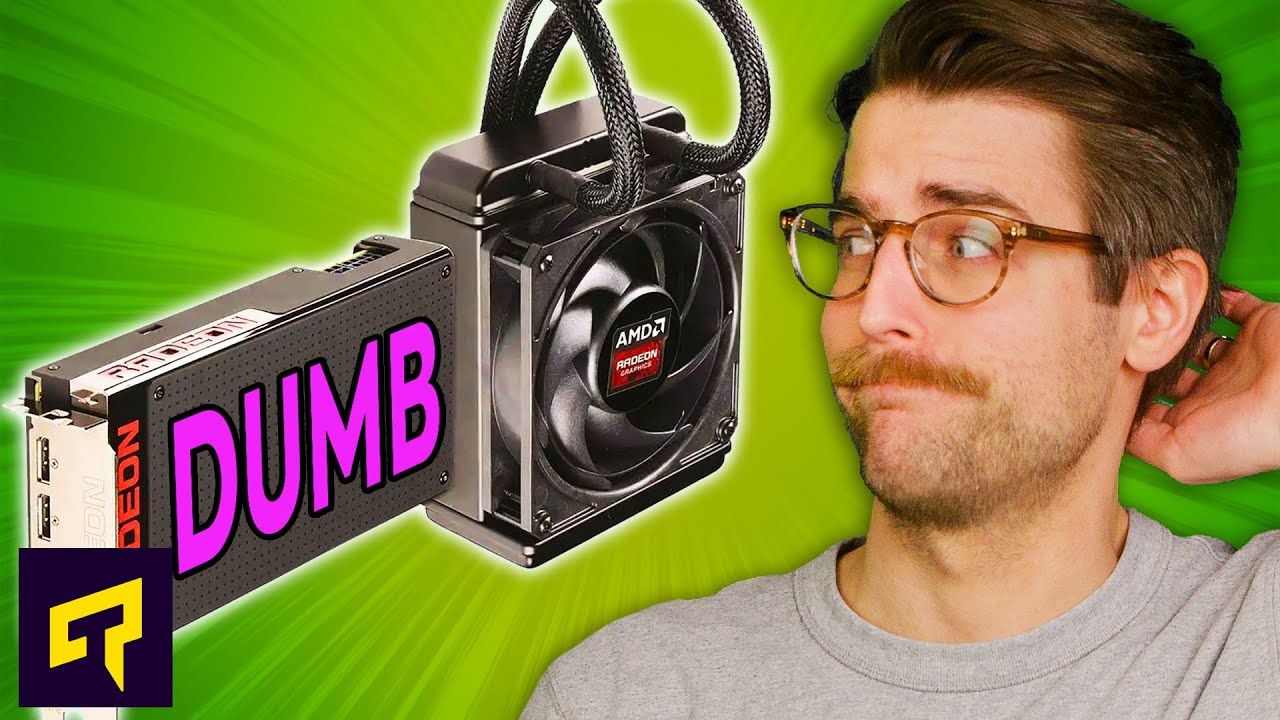
The video opens with a nod to the excitement around new graphics cards, then quickly pivots to catalog a handful of notably bad or ill-fated GPU releases. It kicks off with Nvidia's Titan Z, released in 2014, which was marketed as a top-tier gaming card but ribboned with problems: a price tag of three thousand dollars, a design that essentially paired two GTX 780 Ti GPUs on a single board, and performance that failed to justify the cost due to SLI and Kepler-era limitations. The discussion emphasizes how buying two separate 780 Tis for the same price would have given far better value, highlighting management missteps and the odd marketing positioning of a product aimed at gamers rather than professionals. The segment then contrasts this with AMD's Fury X from 2015, a card that attempted to push performance with a built-in liquid cooler and HBM memory, yet faced a lukewarm reception because memory clocks were locked and overclocking headroom was limited, all while Nvidia had already launched the similarly performing GTX 980 Ti a few weeks earlier. The narrative continues by recounting how the Fury X, despite its ambitious design, was overshadowed in the market and by the Titan Z, illustrating the sometimes misguided bets manufacturers make when trying to disrupt competitive standings. The video then transitions to a historic pivot about 3dfx, detailing how their strategic mistake of producing their own complete line rather than just supplying chips led to scaling and cost issues, culminating in the Vo0doo 4 4500’s failure and the company’s eventual absorption by Nvidia. The closing examples focus on Nvidia’s GTX 480 from 2010, lauded for performance but criticized for extreme power consumption, heat, and noise, with the shroud drawing comparisons to a barbecue grill and the value proposition diminishing when compared to contemporaries like the GTX 580. The host wraps by inviting viewers to share their own regrets about GPU purchases and teasing more future episodes, thanking a sponsor, and encouraging engagement with the channel. The overall tone blends humor with clear lessons about market positioning, hardware efficiency, and the sometimes goofy extremes of GPU design history, leaving viewers with a sense of both nostalgia and appreciation for how far GPU technology has progressed.
Topics · technology · hardware · computing · gaming
Questions answered
- What was the Titan Z and why did it fail as a consumer product?
- The Titan Z was a $3000 GPU released in 2014 that combined two GTX 780 Tis on one board. It failed due to poor value, weak performance given the price, and lingering SLI/Kepler limitations that prevented it from delivering a compelling gaming experience.
- Why did the GTX 480 become infamous despite strong performance?
- The GTX 480 offered top-tier performance but was extremely power-hungry and noisy, with heat output that could reach high temperatures and an inefficient design that made it poor value next to its rivals, diminishing its appeal.