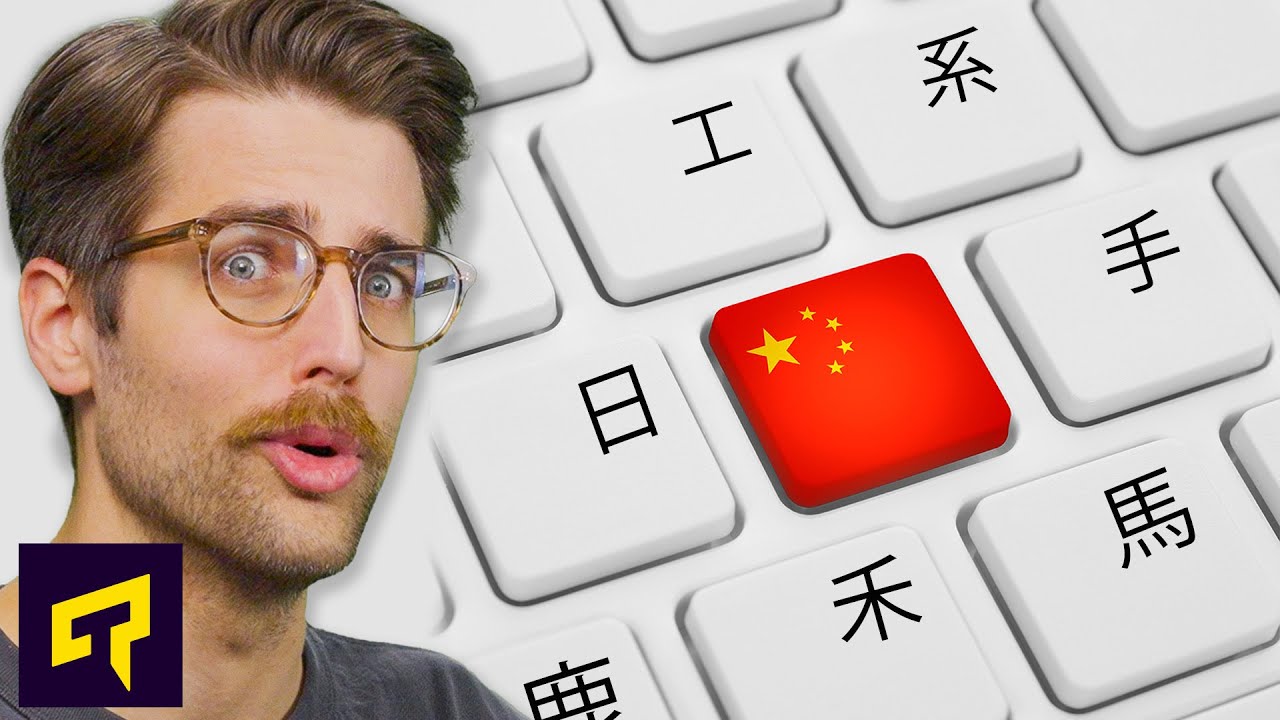
The Keyboard With A Thousand Characters
0 up · 0 down · 0 ratings
Promos
Reserve the next generation of Samsung Galaxy devices at lmg.gg How do Chinese speakers use a standard QWERTY keyboard when there are thousands of Chinese characters? There are several ways to do this, but here's a look at how it all started. Leave a reply with your requests for future episodes. ► GET MERCH: lttstore.com ► LTX 2023 TICKETS AVAILABLE NOW: lmg.gg ► GET EXCLUSIVE CONTENT ON FLOATPLANE: lmg.gg ► SPONSORS, AFFILIATES, AND PARTNERS: lmg.gg FOLLOW US ELSEWHERE --------------------------------------------------- Twitter: twitter.com Facebook: @LinusTech Instagram: @linustech TikTok: @linustech Twitch: twitch.tv
The video explores how Chinese speakers type on keyboards despite thousands of characters, tracing the history from non-keyboard era to modern input methods. It starts by describing the impracticality of a 20,000-key keyboard and introduces the Kung ji input method developed by Chu Bong Fu in 1976, which allowed typing using a standard QWERTY layout by selecting characters built from radicals. The narrative explains how kanji and related Chinese character construction can be represented with a small set of keys, often using top to bottom, left to right radical combinations to form thousands of characters. It then contrasts traditional stroke-based or radical methods with contemporary software aids such as predictive input, pinyin, and shape-based systems like Wooby, highlighting how these tools make typing in Chinese faster and more practical on both PCs and mobile devices. The video also notes that while kanji played a crucial role in early Chinese computing, many users nowadays rely on pinyin or zhuyin for efficient input, with various methods coexisting depending on region and tradition. Overall, the piece frames the keyboard challenge as a landmark in Chinese technological development, showing how a single keyboard can support a language with a vast character set through intelligent mappings and software support. The host ties the topic back to broader tech culture by mentioning ongoing developments and inviting viewer questions for future episodes, while also acknowledging sponsorship and promoting related events and products.
Topics · technology · history · linguistics · computing · gaming · education
Questions answered
- What is the Kung ji input method and why was it significant?
- The Kung ji input method, developed by Chu Bong Fu in 1976, enabled typing Chinese characters on standard QWERTY keyboards by assembling characters from radicals, allowing faster input on early computers and keyboards.