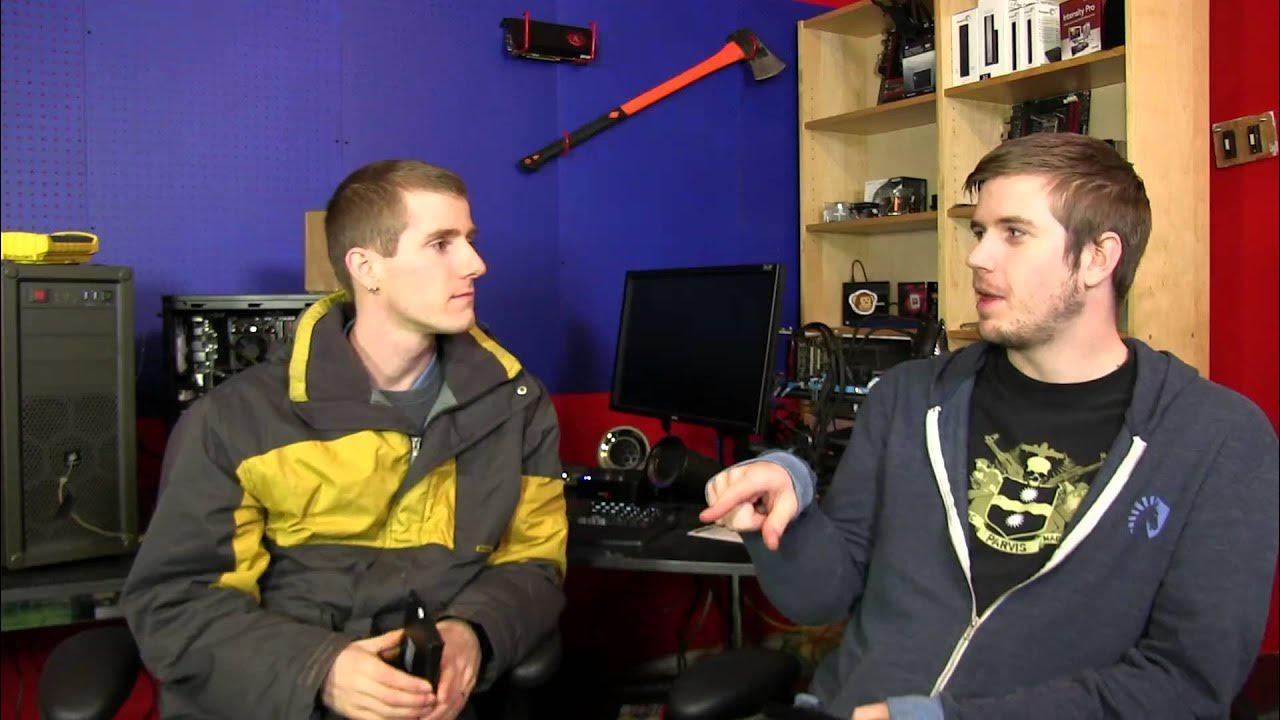
Linus Tech Tips Live Show Archive - December 21, 2012
0 up · 0 down · 0 ratings
Description
1:54 - The world's end 8:04 - Slick's Android tips 10:54 - Rumoured Intel + NVIDIA merger 28:15 - Fan speeds & noise 31:55 - Should you name your baby Linus 44:20 - Instagram insanity! 52:18 - Twitch.TV new layout 56:12 - New OCZ products & philosophy 1:02:01 - Apple is alienating EVERYONE 1:10:45 - Valve for Linux & how long do products last? 1:17:10 - Like Linus Tech Tips videos for charity 1:26:04 - My first Twinkie
Linus Tech Tips Live Show Archive from December 21, 2012 opens with a casual setup check as the hosts adjust camera wiring and audio levels, mentioning a new camera and tweaks to color settings. They acknowledge a slightly sick voice and proceed to discuss the world ending rumors, noting that scientists and the Mayan calendar have made the topic seem dubious. The hosts highlight Neil deGrasse Tyson’s skepticism and share a humorous exchange about leap years and calendar quirks, while switching focus back to ongoing studio work and hardware progress. The chat shifts to audience questions about shipping costs to Australia, general electronics shopping, and practical tips for evaluating computer temperatures in real time using monitoring tools and Prime95 stress testing. A recurring thread is troubleshooting a gaming PC issue with League of Legends, emphasizing temperature monitoring, CPU/GPU temps, and memory stability as potential culprits for crashes after about 30 minutes of play. They invite audience tweets to discuss the night’s topics, including Humble Bundle Android offers and the appeal of low-cost apps that support charity, with specific recommendations like Crayon Physics Deluxe, Splice, Machinarium, and Zenbound 2. The discussion moves to Android productivity and messaging apps, praising SwiftKey for its learning capabilities and versatile Go SMS Pro for quick text input, while also highlighting practical Android tips for staying productive on the go. The show pivots to a deep dive on the rumored Intel and Nvidia merger or acquisition, with a devil’s advocate segment about what the merger would mean for enthusiasts, overclocking, warranties, and the broader PC ecosystem. They explore Intel’s K-series CPUs, unlocked multipliers, and extended warranty options, contrasting these with Nvidia’s recent moves to restrict some overclocking features while maintaining others, and they debate the potential impact on competition with AMD/ATI. The conversation broadens to speculations about Nvidia and Intel collaborating on GPUs, ARM development, and notebook technology, including the concept of an upgraded steam box and the possibility of CPUs evolving to include graphics capabilities. They discuss Haswell and potential implications for gaming performance, desktop upgrade cycles, and the balance between enthusiast markets and mainstream users, with examples drawn from historical Nvidia and Intel product strategies. The hosts reflect on market dynamics, noting that complacency has historically slowed innovation in both Intel and Nvidia, while acknowledging Nvidia’s aggressive product cadence and success with flagship GPUs, such as the 8800 series, and the challenges AMD faced with ATI. They contemplate whether a closer alliance between Intel and Nvidia could stifle competition or accelerate new, compelling products, and consider the role of Apple and closed ecosystems in shaping the future of PC gaming and hardware design. As the discussion broadens, they imagine future scenarios where integrated graphics and optimized switching (Optimus) could merge into a more seamless gaming experience across platforms, possibly integrating CPU and GPU functions into a single silicon solution in a few years. The hosts voice a preference for a robust enthusiast segment with extreme branding and premier tiers, comparing it to car culture where high-end models exist for those who demand top performance, while recognizing the higher costs and limited volumes that would make such products viable. They throw to audience tweets about CES expectations, fan noise, and silent PC builds, debating between higher RPM fans for cooling versus noise considerations during idle and editing work, including a discussion of Noctua fans and the balance between heat dissipation and audible comfort. A key topic remains the future of PC components, including potential consumer desire for extreme performance branding and a continued emphasis on quality cooling to support overclocking, with references to products like the Hyper 212 and D14 and notes on how fan acoustics influence perceived system performance. The episode wraps with a light-hearted segment about naming a baby Lionus, a tongue-in-cheek nod to Linus’s own name inspiration, and a quick montage of Christmas-themed humor, followed by a plan to extend the discussion in future episodes and the anticipation of CES updates and new hardware reveals. Finally, the hosts preview the next set of topics, tease more live content, and thank viewers for supporting the channel and charity initiatives, including a pledge call to Like Linus Tech Tips videos for charity and to stay engaged with the live show archive.
Topics · technology · live_stream · podcast · hardware · gaming
Questions answered
- What was the main topic of debate in the December 21 2012 Linus Tech Tips Live Show?
- The main topic was the rumored Intel and Nvidia merger or collaboration, and the potential implications for enthusiasts, overclocking, warranties, and competition in the PC hardware market.
- Which Android related recommendations were highlighted during the show?
- The hosts recommended Humble Bundle for Android, SwiftKey, and Go SMS Pro as practical apps for productivity and messaging, with examples of bundles and features discussed.
- What charity initiative was mentioned in relation to the video?
- The hosts encouraged viewers to Like Linus Tech Tips videos for charity, promoting charitable support through the live show and archive.
- How did the hosts address the topic of end of the world rumors?
- They treated it as a light humorous topic, discussing time zones, leap years, and Mayan calendar skepticism while keeping the discussion light and entertaining.